Traditional chemical farming is facing growing pressure from rising fertilizer prices, concerns over toxicity, resistance to pesticides and slower development of new crop protection products. In response, a new generation of agtech startups is accelerating the development of AI-powered, biological and robotic alternatives designed to reduce dependence on synthetic chemicals while improving productivity and sustainability.
According to AgFunderNews, investors and technology companies are increasingly focusing on solutions that combine artificial intelligence, biotechnology and automation to transform how crops are protected and managed. The shift comes as farmers face tighter margins and mounting environmental scrutiny across global agricultural markets.
Several startups are now targeting one of agriculture’s biggest challenges: reducing the use of herbicides, pesticides and fertilizers without sacrificing yields.
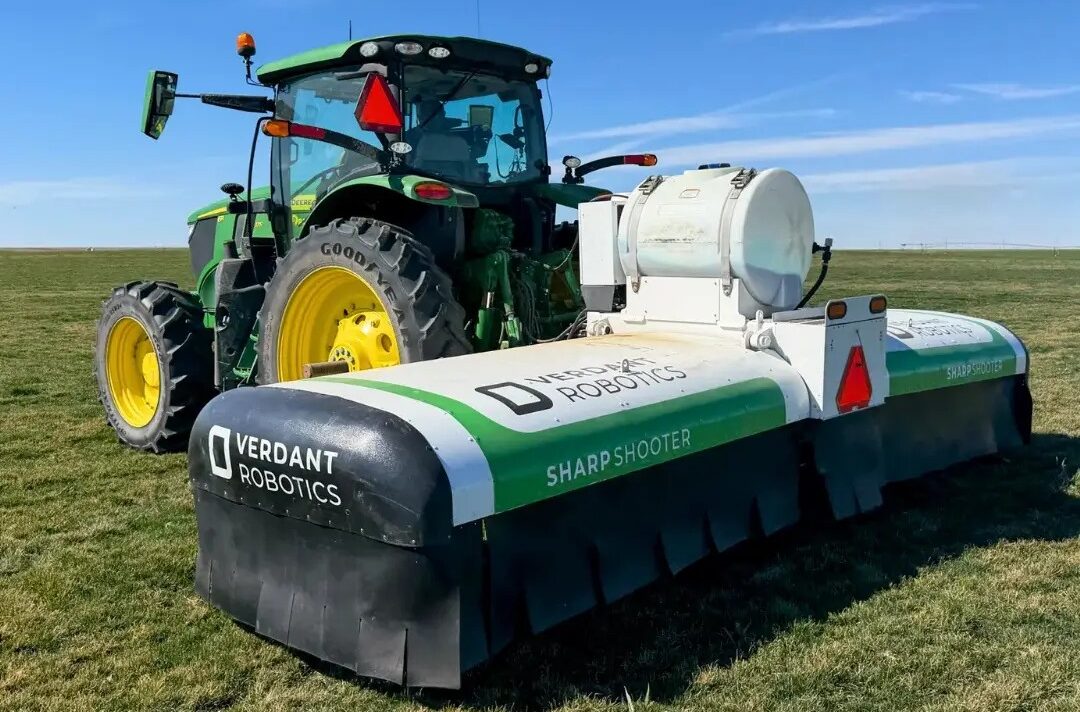
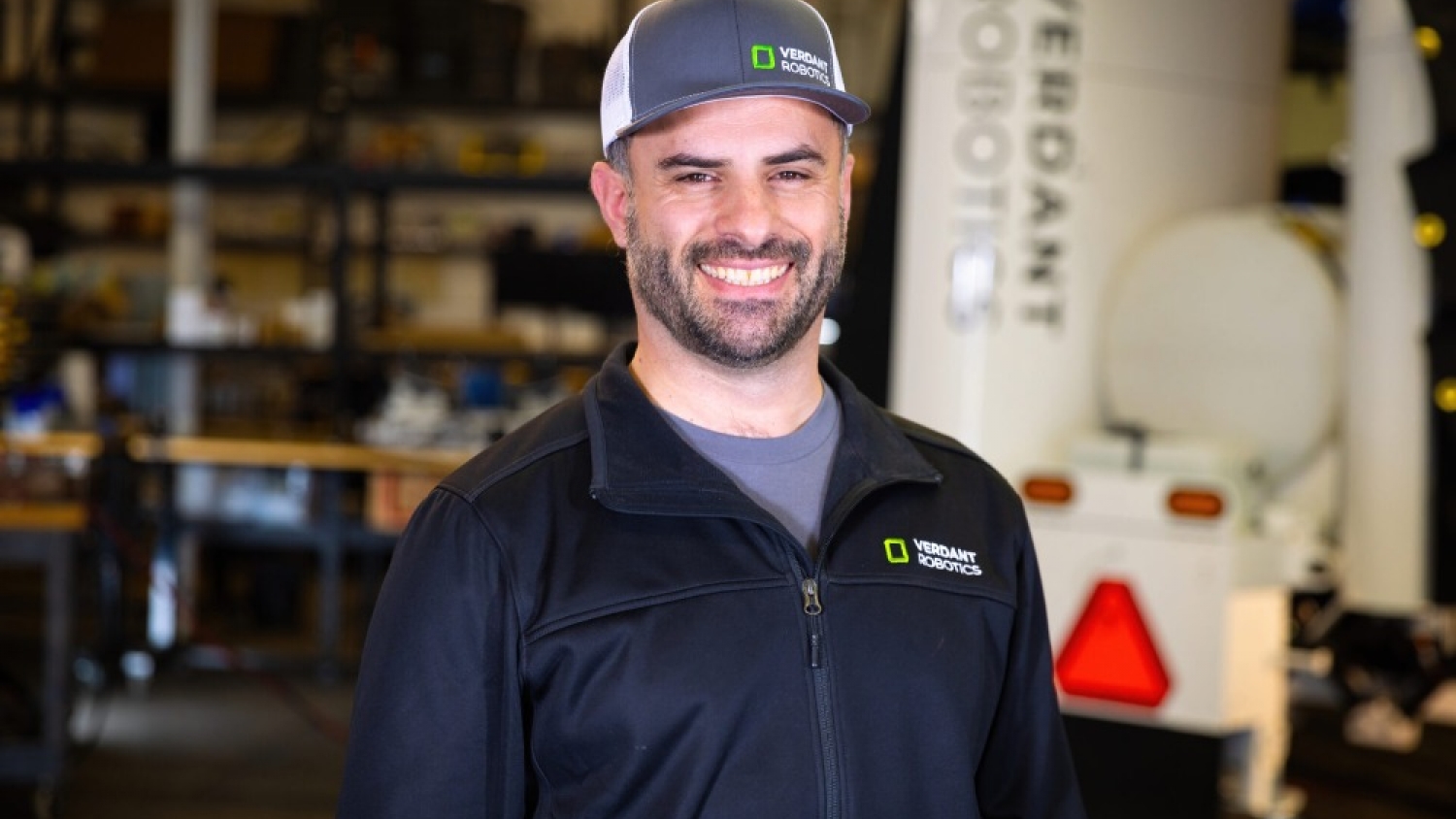
California-based Verdant Robotics developed a precision agriculture platform called Aim & Apply, which uses AI-powered vision systems to identify weeds and deliver targeted applications with millimeter-level accuracy. Instead of spraying entire fields, the system applies products only where needed.
Founder Gabe Sibley explained that the technology enables farmers to dramatically reduce chemical use while improving efficiency. “It’s a beam of molecules on target with the precision and accuracy of a laser,” he said, according to AgFunderNews.
The company’s SharpShooter platform can also support organic and regenerative farming practices, making alternative crop protection products economically viable for growers.
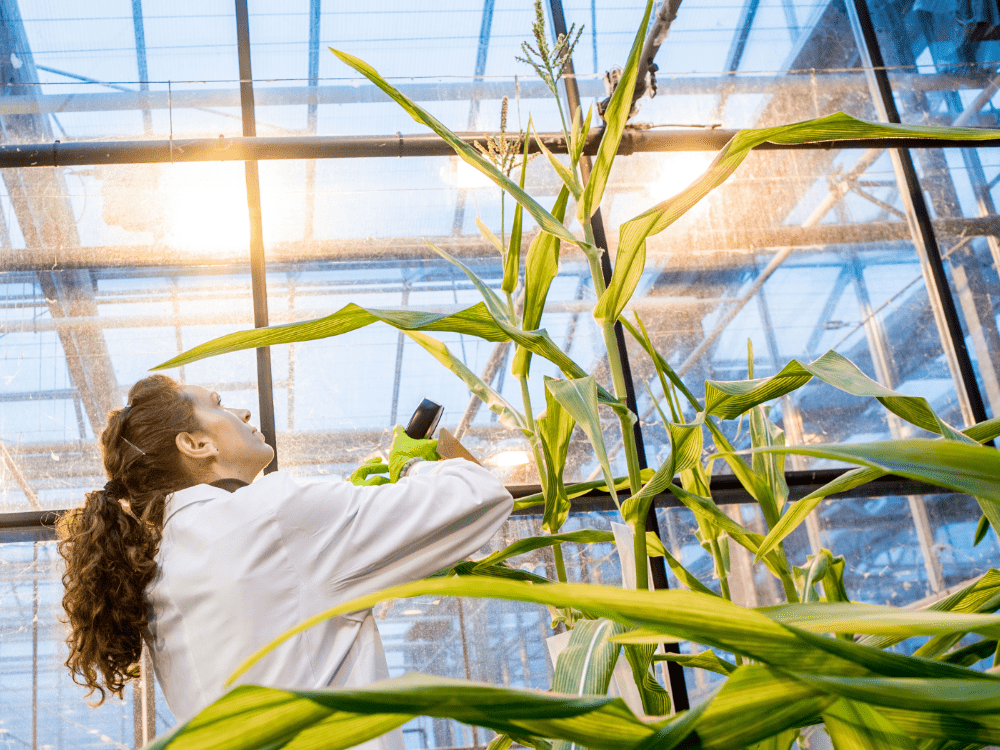
At the same time, startups focused on genomics and AI-driven seed development are working to redesign crops themselves. US biotech company Inari uses artificial intelligence and gene editing to accelerate crop breeding and develop plants that require fewer fertilizers and crop protection inputs.
Chief scientific officer Catherine Feuillet said AI is “supercharging” biological research by identifying patterns humans cannot easily detect. The company combines machine learning, biological engineering and predictive modeling to optimize crop performance.
The growing interest in alternatives to chemical farming is also attracting investors and agricultural incubators. Danny Berstein, CEO of Reservoir, an incubator specializing in agricultural robotics, said there is significant opportunity for companies combining automation with sustainable farming systems.
According to AgFunderNews, multiple startups are now exploring different technologies to replace or reduce synthetic agricultural chemicals:
Australian startup Azaneo is developing weed control systems based on electroporation technology instead of herbicides.
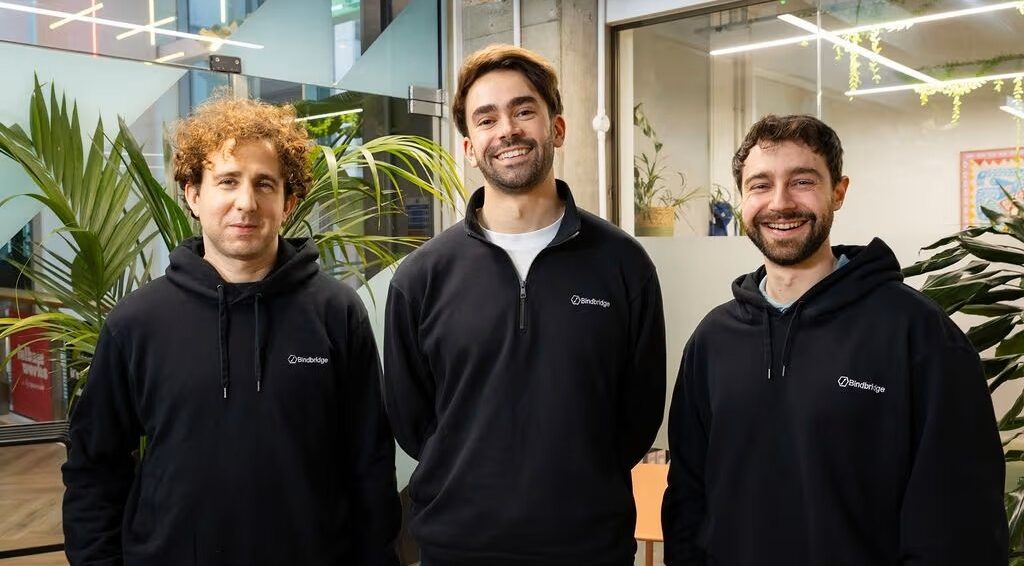
UK-based BindBridge is working on molecular glue technology as a possible alternative to glyphosate.
US biotech company Enko uses AI to accelerate the discovery of crop protection molecules.
Kula Bio focuses on nitrogen-fixing microbes designed to replace synthetic fertilizers.
French-US startup Micropep develops micropeptide-based crop protection products positioned between biologicals and traditional chemicals.
Meanwhile, robotics companies are testing UV light, steam and electricity as alternatives for pest and weed control. Companies including Saga Robotics, TRIC Robotics and BHF Robotics are experimenting with technologies that reduce the need for chemical applications in vineyards, strawberry fields and vegetable crops.
One of the biggest challenges remains cost. Advanced robotics systems are often expensive for smaller farms. However, companies like Verdant Robotics are exploring financing partnerships and shared-service models to expand access to precision farming technologies.
Supporters of these innovations argue that precision systems can improve both sustainability and farm economics. By applying fewer inputs more accurately, farmers may reduce waste, lower operational costs and limit environmental impact.
The broader transformation is being driven by a combination of economic and regulatory pressures. Rising concerns about human health, soil degradation and chemical resistance are pushing the agricultural sector toward more targeted and biologically based solutions.
As AgFunderNews reported, the next phase of agricultural innovation may not fully eliminate chemicals, but it is increasingly focused on making farming more precise, data-driven and resource-efficient through the integration of AI, robotics and biological technologies.