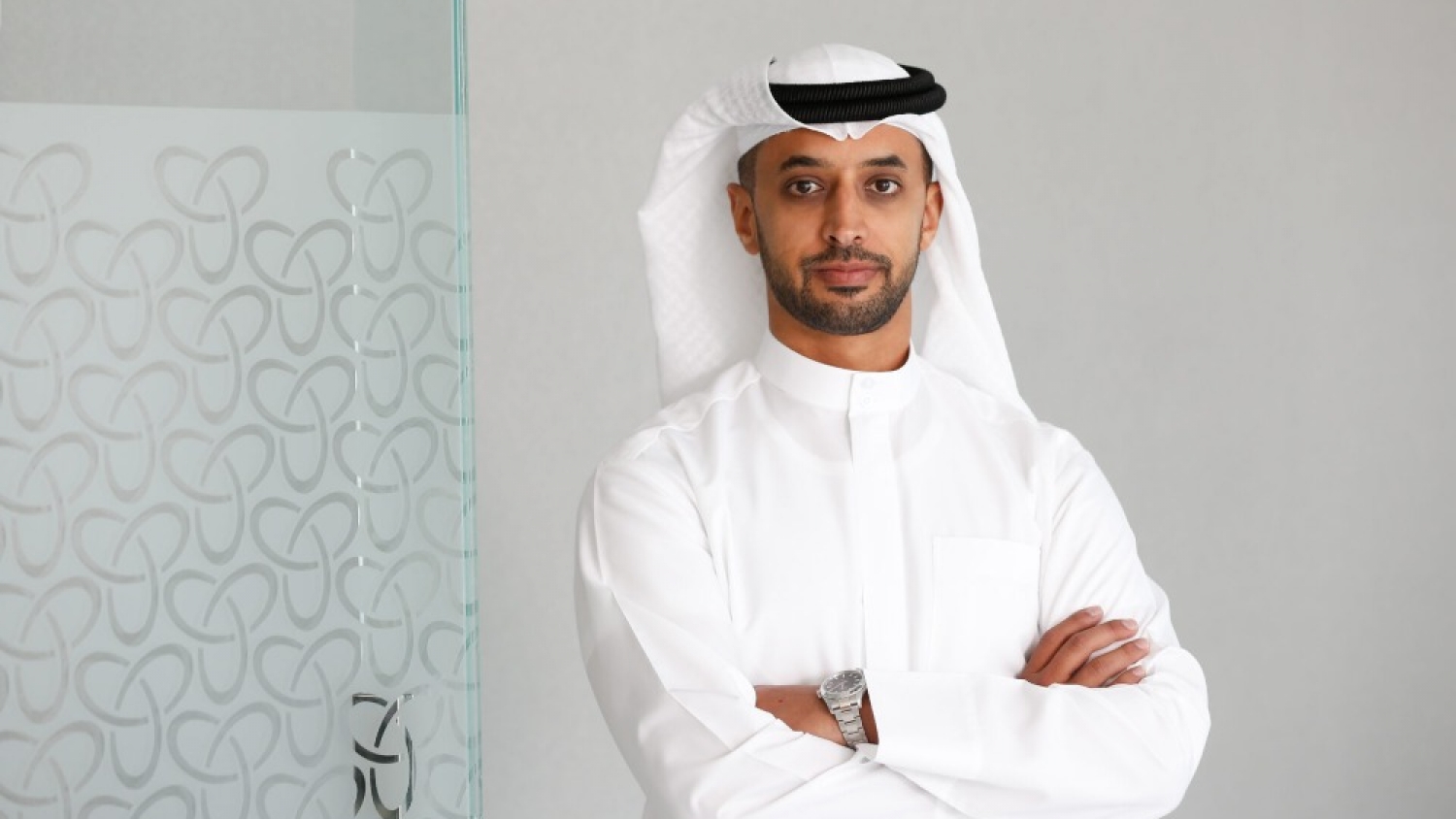
Dubai is seeking to position itself at the center of the future global protein trade, combining logistics, food security strategy and digital infrastructure to create a new ecosystem for meat and agricultural commodities. According to AgFunderNews, the initiative is being promoted by Ahmed Bin Sulayem, executive chairman and CEO of the Dubai Multi Commodities Centre (DMCC).
The proposal comes amid growing pressure on global food systems caused by population growth, geopolitical tensions and supply chain disruptions. As demand for protein rises across Asia and Africa, governments are increasingly treating food security as a matter of national resilience and economic sovereignty.
As reported by AgFunderNews, Bin Sulayem argues that the current global meat trade remains fragmented and lacks the infrastructure needed for traceability, halal certification, sustainability verification and trade finance integration.
“The global food system is under serious pressure,” he stated. According to the executive, the challenge is no longer limited to logistics, but has become directly linked to regional stability and long-term economic security.
The strategy proposed by DMCC focuses initially on the meat industry, but the long-term ambition extends to a broader protein ecosystem that includes seafood, dairy, grains, pulses and alternative proteins.
Bin Sulayem explained that meat represents one of the sectors most in need of modernization because of structural inefficiencies and inconsistent international standards. Dubai believes its existing strengths in logistics, re-export capabilities and financial services can help address those gaps.
The article highlights major structural changes underway in global meat production. Historically, exports have been dominated by countries such as Brazil, Australia, India and the United States. However, new suppliers are gaining relevance as demand patterns evolve.
According to the analysis, countries including Paraguay, Uruguay, Argentina, Mexico, Thailand, Kazakhstan and Türkiye could significantly expand their role in global protein exports over the next decade if they strengthen infrastructure and sanitary certification systems.
The report also points to opportunities in African nations such as Ethiopia, Sudan, Tanzania and Namibia, although these markets still face major challenges related to sanitary and phytosanitary compliance.
One of the central ideas behind Dubai’s strategy is that the next generation of global meat trade will depend less on herd size and more on traceability systems, cold chain logistics and compliance standards.
The UAE government has increasingly emphasized food security as a strategic national priority. Bin Sulayem referenced comments from UAE officials who support building a more technologically advanced and sustainable food system.
“The nation’s agricultural sector has moved beyond its traditional role to serve as a strategic driver of technology and innovation,” said Dr. Amna Bint Abdullah Al Dahak, UAE Minister of Climate Change and Environment.
The proposed DMCC ecosystem would integrate digital tracking systems, halal certification protocols and sustainability benchmarks into a unified trading infrastructure. The goal is to create a more transparent and accountable supply chain for protein products.
According to the article, Dubai also wants to position itself as a bridge between producing nations and fast-growing consumer markets across the Middle East, Asia and Africa.
The broader vision involves shifting global food trade away from opaque supply chains toward systems built on standardized compliance and real-time verification. Dubai sees this transformation as both a commercial opportunity and a geopolitical necessity.
Bin Sulayem concluded that the UAE already has the logistical capabilities required to lead this transition. The next step, he argued, is execution through investment in infrastructure, standards and integrated food trade systems.