How Olam Agri is helping build Africa’s food security through local value chains
The company is expanding investments in local processing, climate-smart agriculture and farmer support to strengthen food security across the continent
lunes 20 de julio de 2026
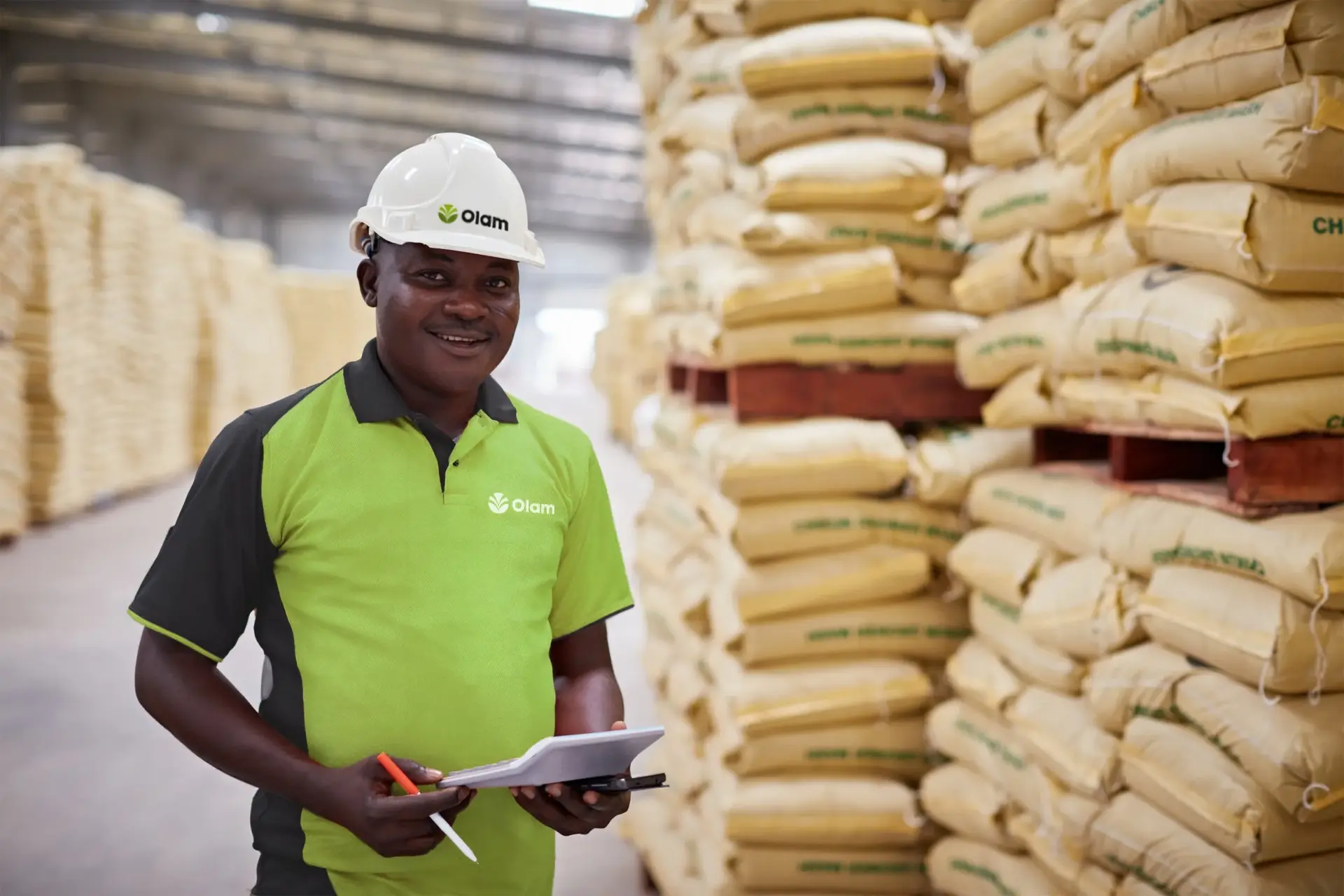
Olam Agri is deepening its long-term investment strategy across Africa by strengthening domestic agricultural value chains, expanding local food processing and supporting farmers with climate-resilient technologies. According to AgFunderNews, the Singapore-based agribusiness says the continent's path toward food security depends on producing more food locally, reducing import dependence and creating stronger links between farmers, processors and consumers.
Africa currently spends an estimated $50 billion to $70 billion each year on food imports, despite its vast agricultural potential. As reported by AgFunderNews, Olam Agri believes the solution lies in developing local industries that retain more value within African economies while improving access to affordable food.
The company has operated in Africa for more than 35 years and currently connects more than 300,000 farmers to domestic and international markets. Alongside market access, it continues to invest in processing facilities, manufacturing capacity and supply chain infrastructure designed to strengthen regional food systems.
In an interview with AgFunderNews, Anil Nair, Olam Agri's Country Head for Nigeria, explained that building resilient food systems requires investments that extend beyond agricultural production.
"Our approach is centered on creating more value within African markets. By producing food closer to where it is consumed and strengthening local industries, we can improve food availability, support livelihoods and contribute to more resilient food systems," Nair said.
The company has recently announced several strategic investments across the continent. In Ghana, Olam Agri invested $40 million in the country's first state-of-the-art pasta manufacturing facility to expand domestic food production and improve access to affordable fortified pasta.
In Nigeria, the company expanded its wheat milling operations and established a soybean crushing facility that supports the production of locally refined edible oils while creating stronger demand for domestic soybean growers. In Senegal, Olam Agri reinforced its animal feed and poultry value chain through the acquisition of Avisen.
According to Nair, these investments share the same objective: keeping more value inside African economies while generating employment, supporting local industries and reducing reliance on imported food products.
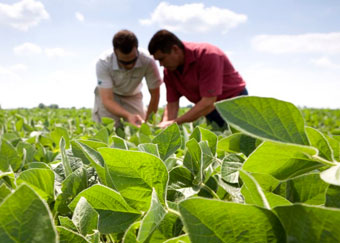
Climate resilience remains another central pillar of the company's strategy. Olam Agri is promoting climate-smart agriculture, regenerative farming, improved agronomic practices and sustainable forest management to help farmers adapt to changing weather patterns.
In Nigeria, through its Seeds for the Future initiative, the company works with research partners to develop wheat varieties that are more resistant to heat and drought. One example is the Crown durum wheat variety, designed to mature earlier and maintain productivity under higher temperatures.
Beyond seed development, Olam Agri also provides farmers with technical training on soil health, efficient resource management and post-harvest practices while improving access to reliable markets.
Nair emphasized that technology alone is not enough to transform agriculture. According to him, digital tools create greater value when combined with farmer education, investment and market access, allowing producers to improve productivity while strengthening supply chain transparency and traceability.
Looking ahead, Olam Agri expects Africa to remain at the center of its global growth strategy. The company plans to continue investing in processing, manufacturing, distribution and innovation while working alongside governments, research institutions and development organizations.
As reported by AgFunderNews, Olam Agri's long-term vision is to develop "Made in Africa, for Africa" agricultural value chains that improve food security, generate employment and strengthen the resilience of farming communities across the continent.
Invertí en periodismo de calidad
En Agroempresario trabajamos para acercarte contenidos que agregan valor.