By Agroempresario.com
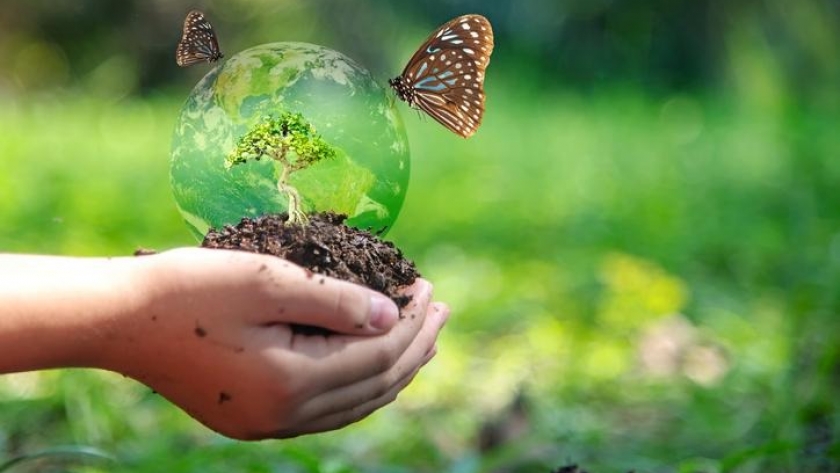
In the deepest corners of our ecosystems, an invisible yet vital universe pulses beneath our feet. Soils harbor microscopic biodiversity that plays a crucial role in the health of our terrestrial ecosystems. In this article, we'll delve into the intimate relationship between soil biodiversity and surface diversity, and how this fundamental connection sustains life on our planet.
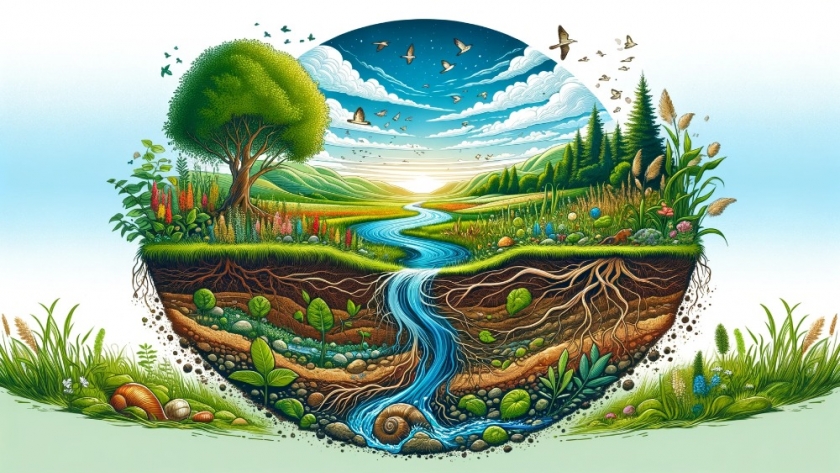
Beneath the surface: the microbial symphony
From the soil itself to the roots of plants, an intricate web of microorganisms thrives in a dark and seemingly inhospitable environment. Bacteria, fungi, protozoa, and nematodes work symbiotically to break down organic matter, cycle nutrients, and maintain soil structure. This invisible community, known as the soil microbiome, is essential for soil fertility and plant health.
Surface diversity: nurturing soil life
Surface vegetation and fauna diversity directly impact the composition and biological activity of the soil. Leaf litter, organic matter decomposition, and plant roots contribute to humus formation, an essential organic component for soil structure and water retention. Moreover, plant diversity promotes microbial diversity in the soil, creating a more robust and resilient underground ecosystem.
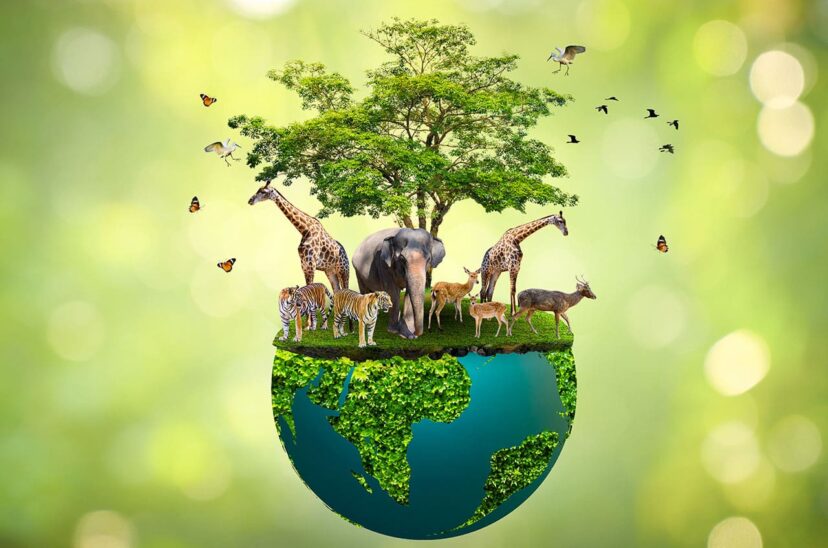
The threat of biodiversity loss
Conversely, the loss of biodiversity on the surface can have devastating consequences for soil health and ecosystem stability. Deforestation, urbanization, and intensive agriculture are among the leading causes of biodiversity loss, leading to soil degradation, erosion, and fertility loss.
Preserving the harmony
Recognizing the value of this intimate relationship between soil and surface biodiversity is crucial. Adopting sustainable agricultural practices, reforestation, and protecting natural areas are fundamental steps to preserving soil health and ensuring the sustainability of our natural systems.
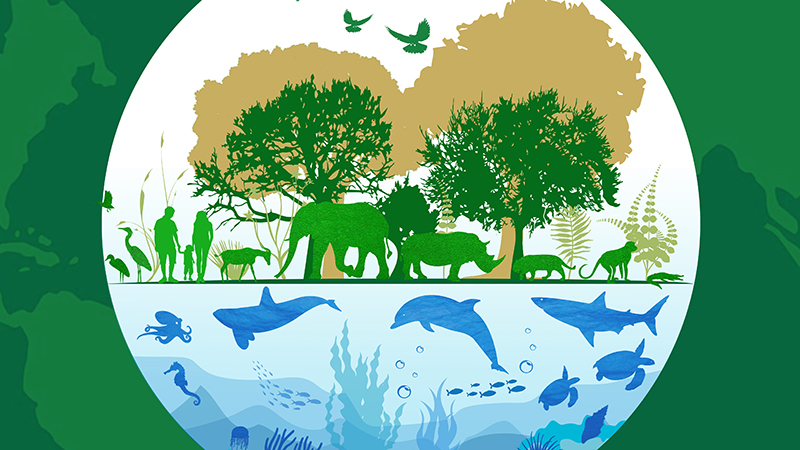
Nurturing nature's balance
By understanding and valuing the unseen world beneath our feet, we can strengthen our connection with nature and promote harmony between surface life diversity and the biological richness lying deep within the earth.