By Agroempresario.com
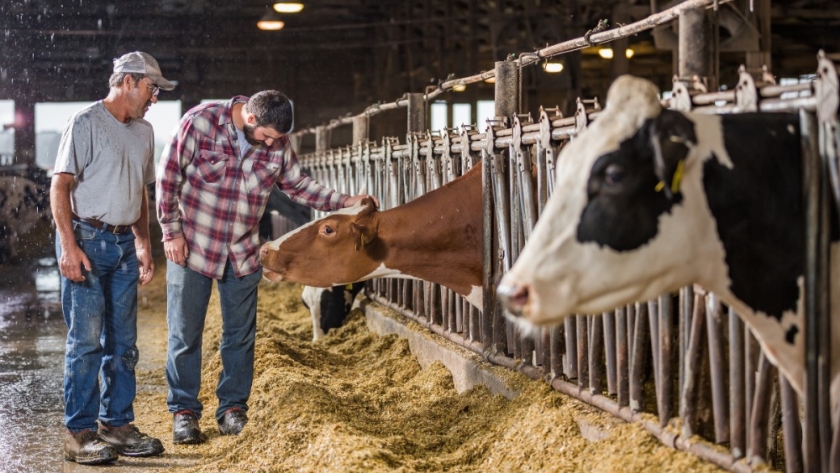
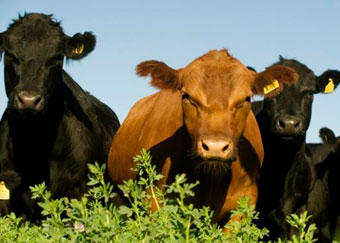
Bovaer, a well-known feed additive for reducing methane emissions from cattle, has been approved for use in lactating dairy cows in the United States. Developed by DSM-Firmenich and commercialized by Elanco, Bovaer is now available in 64 countries, with more approvals expected this year.
In its first year after approval, Bovaer participated in many pilots, leading to a transition to repeat use and scaling in some advanced countries, according to DSM-Firmenich. Typically, companies benefiting from Scope 3 emissions reductions cover the costs of Bovaer, either individually or as part of a consortium. In some cases, these reductions are integrated into premium products with sustainability value propositions. A pilot in Brazil is also exploring the potential of the carbon credit market as a funding source.
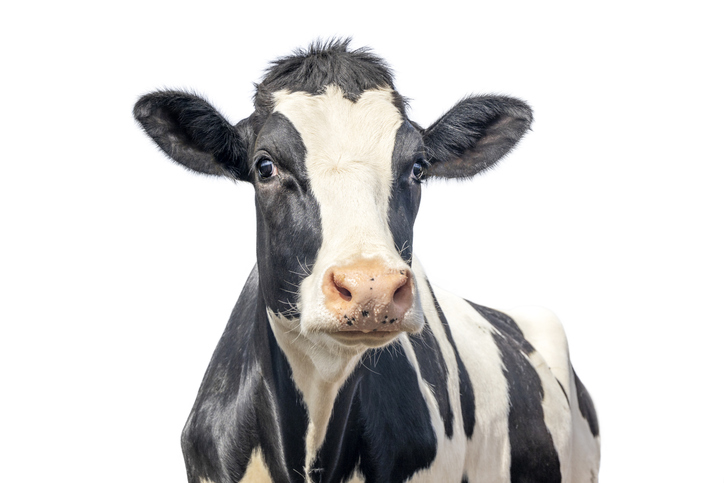
Challenges to widespread adoption include the need for individual companies to conduct tests and pilots before scaling, and ambiguity about how methane reductions will be accounted for under local standards. Additionally, incentive systems to recognize producers for sustainable practices are still being developed.
In the US, Elanco's VP of livestock sustainability, Katie Cook, highlighted Elanco's role in establishing an incentive system, creating a self-sustaining carbon inset market for American agriculture. Elanco has developed tools to quantify methane emission reductions and generate carbon credits. Uplook, an online tool, helps quantify greenhouse gas emission reductions using on-farm data and peer-reviewed science.
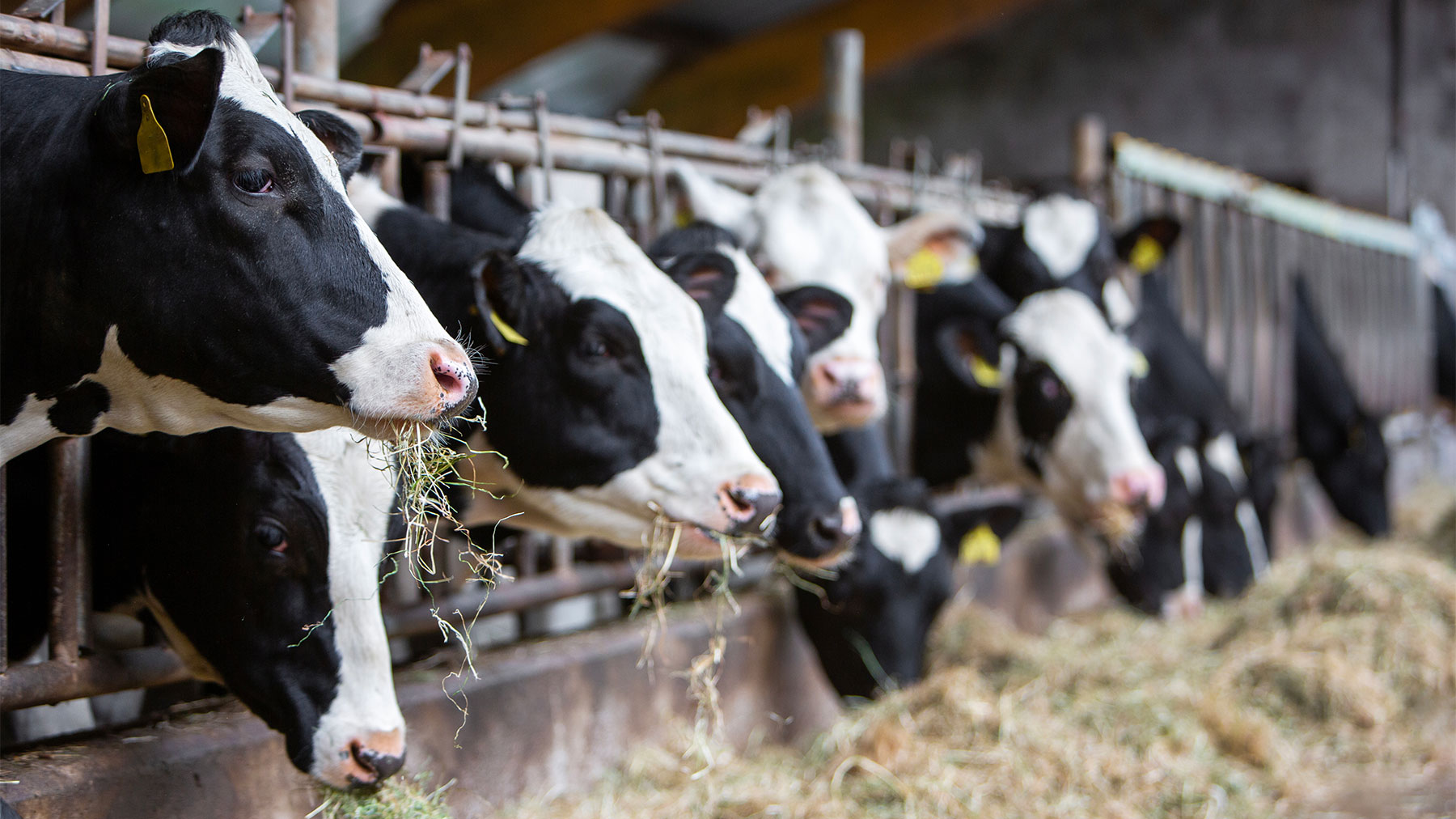
Cook explained that Uplook calculates emissions reductions based on data such as the number of cows and the amount of Bovaer fed daily. This data can generate carbon credits verified by organizations like Athian, a carbon insetting marketplace for livestock in the US. Credits are then purchased by companies like Nestlé, Starbucks, or Danone, with funds transferred back to the producers.
Cook estimates a $20 annual return per lactating dairy cow from feeding Bovaer, split between carbon marketplaces and government incentives. She noted that $89 million in RCCP grants awarded last year will be available to producers, with expectations for a more robust carbon marketplace as government incentives phase out.

Currently, 150 farms are enrolled in Uplook, showing strong interest from the US dairy industry despite some skepticism. Farmers are already submitting data to ensure readiness for Bovaer implementation. Cook emphasized the need for scalable solutions to help large CPG companies meet Scope 3 emissions commitments, with Bovaer playing a crucial role due to its scalability and credibility.
While other methane reduction solutions like Asparagopsis are emerging, Bovaer remains the only FDA-reviewed feed ingredient with a methane reduction claim, supported by over 70 peer-reviewed studies and 100 on-farm trials. Elanco has built an ecosystem to ensure Bovaer's successful implementation and generate credible carbon credits.