The Dutch cultivated meat startup Meatable has begun winding down its operations in December 2025 after failing to secure additional funding, dealing another blow to a sector already under pressure from a prolonged investment slowdown. The decision was disclosed by Agronomics, a key shareholder, and comes at a time when several high-profile players have exited or scaled back, raising fresh questions about how—and when—cultivated meat can reach commercial viability. The news was first reported by AgFunderNews.
Agronomics, which invested £7.9 million (approximately $10.6 million) in Meatable, said the company’s book value stood at £11.9 million prior to the wind-down, representing just over 8% of Agronomics’ net asset value as of late September. Other investors in Meatable included BlueYard Capital, DSM Venturing, Invest-NL, Betagro, and Humboldt.
The closure follows closely on the heels of the decision by Believer Meats, formerly known as Future Meat Technologies, to cease operations, intensifying debate across the food tech ecosystem about the near-term prospects of cultivated meat.
According to Association for Meat Poultry and Seafood Innovation (AMPS), the end of Meatable should be seen as part of a broader industry transition rather than a definitive verdict on the technology itself. Speaking to AgFunderNews, AMPS executive director Suzi Gerber said the sector is moving into a more mature phase marked by consolidation, capital discipline, and the redeployment of talent and intellectual property.
“We are now entering the second phase of this industry, characterized by CAPEX-light, OPEX-nimble, long-term deployment strategies rather than breakthrough disruption,” Gerber told AgFunderNews. She added that while it is unfortunate when early innovators are unable to continue, “the people, capabilities, and technologies developed often persist through new teams, partnerships, and applications.”
Gerber also stressed that the failure of individual companies should not be interpreted as a proxy for the overall strength—or weakness—of the cultivated meat sector.
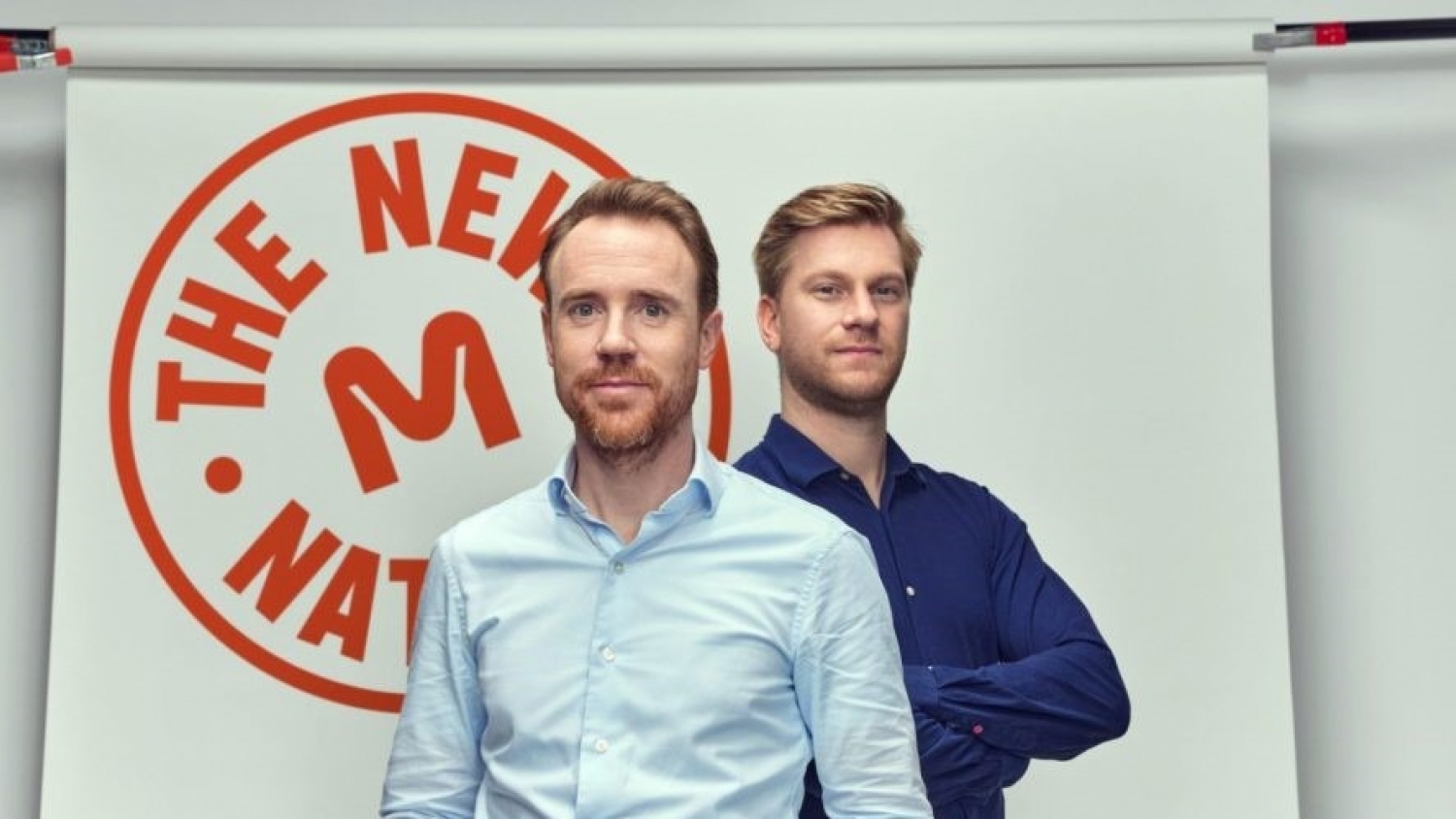
Founded in 2018 by biologist Daan Luining, stem cell researcher Mark Kotter, and former McKinsey executive Krijn de Nood, Meatable built its reputation around a proprietary process designed to dramatically accelerate the differentiation of stem cells into muscle and fat tissue. The company argued that faster and more efficient differentiation was essential to producing cultivated meat with the sensory and nutritional qualities consumers associate with conventional animal protein.
Within the industry, however, the importance of full cellular differentiation remains contested. Some companies rely on largely undifferentiated cells to reduce costs and complexity, while others maintain that without proper differentiation, it is impossible to replicate the taste, texture, and cooking behavior of meat. Luining previously acknowledged that while Meatable was not attempting to recreate whole-cut steaks, its approach aimed to deliver higher-quality fat and muscle components in a cost-effective way.
Regulatory considerations may also have complicated Meatable’s path to market. Parts of its original process were viewed by regulators in some jurisdictions as potentially creating genetically modified organisms (GMOs), a classification that can significantly lengthen approval timelines in Europe and other markets. In 2024, Meatable sought to mitigate that risk by acquiring intellectual property from UK-based Uncommon Bio, whose technology is not considered GMO-based by regulators. At the time, Meatable executives said the move would allow the company to diversify across both GMO and non-GMO product lines.
Despite having raised more than $105 million over its lifetime, Meatable was unable to translate its technical progress into a clear, financeable route to large-scale production. In mid-2024, the company appointed former meat industry executive Jeff Tripician as chief executive officer, signaling a strategic shift toward closer collaboration with established meat processors. Tripician argued that the winners in cultivated meat would be those with robust science and the ability to integrate into existing meat industry supply chains.
Under that vision, Meatable would function less as a consumer-facing brand and more as a raw material supplier, providing cultivated fat and muscle inputs to conventional meat companies planning incremental investments in standalone cultivated meat facilities. Tripician emphasized the theoretical advantages of cultivated meat, including reduced exposure to land constraints, animal disease, antibiotic use, and animal welfare concerns, while claiming that consumers had already demonstrated a willingness to pay a premium for such attributes.
Just over a year later, Tripician departed the company to return to the traditional meat sector, leaving chief technology officer Aris de Rijke in charge. Although Meatable announced plans to partner with a newly formed company called TruMeat to build a pilot facility in Singapore, the project failed to secure the necessary funding to proceed.
The company’s shutdown underscores the increasingly challenging funding environment facing cultivated meat. According to data from AgFunder, global investment in the category peaked at $989 million in 2021, before falling to $807 million in 2022, $177 million in 2023, $55 million in 2024, and approximately $65 million in 2025. The decline reflects not only higher interest rates and tighter venture capital markets, but also growing skepticism about timelines, capital intensity, and regulatory uncertainty.
Even first movers have struggled to find sustainable business models. GOOD Meat, the first company to commercially sell cultivated meat, has yet to demonstrate profitable large-scale production. Meanwhile, UPSIDE Foods has paused plans for a major production facility in Illinois, opting instead to focus on expanding its smaller pilot site in California amid the changing investment climate.
While cultivated meat continues to be promoted as a potential solution to food security, climate impact, and ethical concerns associated with industrial livestock production, Meatable’s collapse highlights the gap between technological promise and economic reality. As the industry enters what many describe as its second phase, success may depend less on scientific breakthroughs and more on disciplined execution, strategic partnerships, and the ability to operate with significantly lower capital requirements.