AI and genetics: a startup reshapes crop breeding to meet climate challenges
By combining artificial intelligence and whole-genome analysis, an agtech company aims to cut breeding timelines and build more resilient agricultural supply chains
lunes 12 de enero de 2026
A US-based agricultural technology startup is using artificial intelligence applied to whole-genome analysis to accelerate the development of climate-resilient crops, reduce the use of water and fertilizers, and rethink one of the most time-consuming processes in agriculture: plant breeding. The company, Avalo, headquartered in North Carolina, applies interpretable machine learning to identify complex genetic traits in key crops such as sugarcane, cotton, rice, and broccoli, working alongside major players in global supply chains.
The initiative comes at a critical moment for agriculture, as climate volatility, resource constraints, and sustainability targets place growing pressure on food and fiber production systems. According to the company, its technology can cut breeding timelines by up to 50% in crops where bringing a new variety to market traditionally takes more than a decade.
Rather than focusing on individual genes, Avalo’s approach is built on the idea that most agronomically important traits—such as drought tolerance, nutrient efficiency, or yield stability—are the result of hundreds or even thousands of genes interacting simultaneously. “We look at the forest, not the trees,” said Avalo’s chief scientific officer, Mariano Alvarez, in an interview published by a specialized international agri-food media outlet.
Rethinking how traits are discovered
For decades, plant breeders have relied on two main strategies to connect genes with desirable traits: editing or disabling genes one by one, or exposing plants to specific conditions and observing how gene expression changes. While both methods have delivered results, they become increasingly inefficient when applied to complex traits, where biological noise makes it difficult to isolate what truly matters.
Avalo proposes a different path. Through its rapid-evolution platform, the company works with broad genetic pools, including wild varieties and naturally pollinated populations, to generate richer datasets. These datasets are then analyzed using machine learning models that evaluate the entire genome at once, across multiple environments, to detect meaningful genetic patterns.
Once those patterns are identified, the company translates them into predictive algorithms. Instead of scanning the full genome every time, breeders can focus on specific genetic “constellations” associated with performance. This allows Avalo to lower development costs, reduce uncertainty, and speed up selection, while relying on traditional breeding methods rather than genetic engineering.
From data to real-world impact
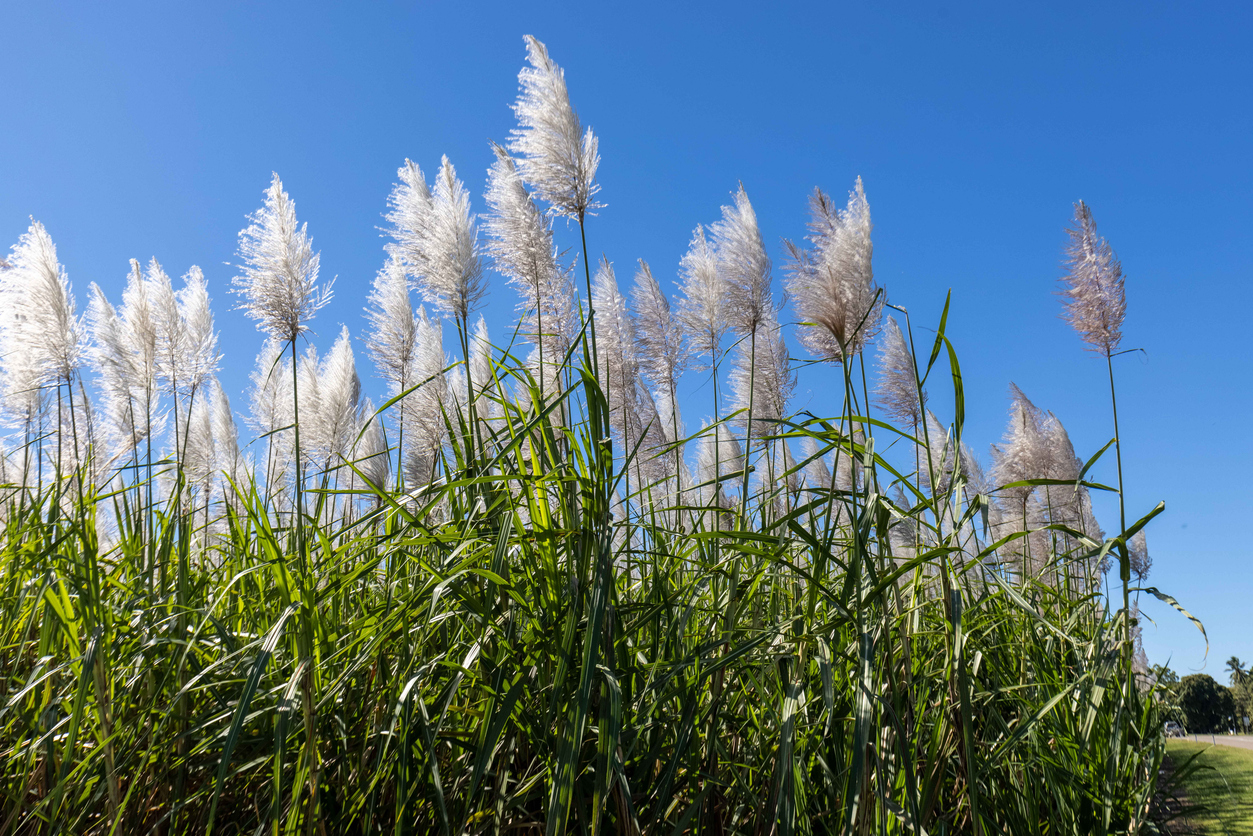
One of Avalo’s most advanced projects is its collaboration with Coca-Cola Europacific Partners, aimed at strengthening the sugar supply chain in Australia. Sugarcane is one of the most genetically complex crops in the world and has long breeding cycles, making it a prime candidate for AI-assisted improvement.
The project focuses on developing more climate-resilient sugarcane varieties, with lower water and fertilizer requirements. According to Alvarez, sugarcane accounts for a significant share of the beverage company’s Scope 3 emissions, making genetic improvement at the farm level a critical lever for sustainability. This year, Avalo is working closely with a small group of growers to integrate its models into real production systems and evaluate their impact.
Cotton without irrigation
Beyond sugarcane, Avalo has already achieved tangible results in cotton, a crop often associated with high input use. In the United States, the company has harvested its first commercial cotton crop grown with zero added irrigation and 70% less fertilizer than conventional systems.
The cotton program currently spans around 2,000 acres in Texas, with plans to more than double that area next season. At the same time, Avalo is moving toward commercialization of broccoli varieties with a partner in New York, while continuing research in rice and natural rubber, the latter through government-supported programs.
The company operates as an integrated crop development business, running its own breeding programs, working directly with growers, and, in some cases, helping partners market the final product beyond the farm gate.
Traditional breeding, accelerated by AI
Despite its advanced technology, Avalo is firmly focused on traditional plant breeding, avoiding genetic modification or gene editing. The company argues that this strategy offers a lower regulatory burden, faster market entry, and broader acceptance across global markets.
As agriculture faces mounting challenges from climate change and sustainability demands, Avalo’s model highlights how artificial intelligence and genomics can be combined to modernize crop development without disrupting existing production systems. The growing involvement of multinational consumer goods companies also signals a broader shift: addressing environmental and supply chain risks requires innovation starting at the seed level.
Invertí en periodismo de calidad
En Agroempresario trabajamos para acercarte contenidos que agregan valor.