Becoming regenerative organic certified is a complex, multi-year process that goes far beyond long-standing sustainable practices, even for farms that have worked under soil-health principles for generations. That is the case of Lundberg Family Farms, a California-based rice producer with organic roots dating back to the 1960s, which obtained Regenerative Organic Certification (ROC) in 2023 after an exhaustive evaluation of its agricultural, environmental and labor practices. The experience highlights what it actually takes to meet one of the most demanding standards in food and agriculture today, according to AgFunderNews.
Founded on the idea of “leaving the land better than you found it,” Lundberg Family Farms had applied many regenerative-aligned practices decades before the concept became mainstream. However, as regenerative agriculture gained commercial relevance and certification frameworks evolved, the company discovered that historical alignment with sustainability principles was not enough to automatically qualify for official recognition.
The certification is administered by the Regenerative Organic Alliance (ROA), which evaluates farms across three pillars: soil health, animal welfare and biodiversity, and social fairness. Each pillar requires documented evidence, continuous measurement and, in many cases, adjustments to existing systems.
For Lundberg Family Farms, the process involved reassessing practices that were already part of its organic system. One of the first challenges was reconciling regenerative standards with rice production. Unlike many crops associated with no-till agriculture, rice in California is grown in heavy clay soils that require periodic tillage. According to the company, tillage is essential to incorporate cover crops, manage rice straw after harvest and prepare fields for planting.
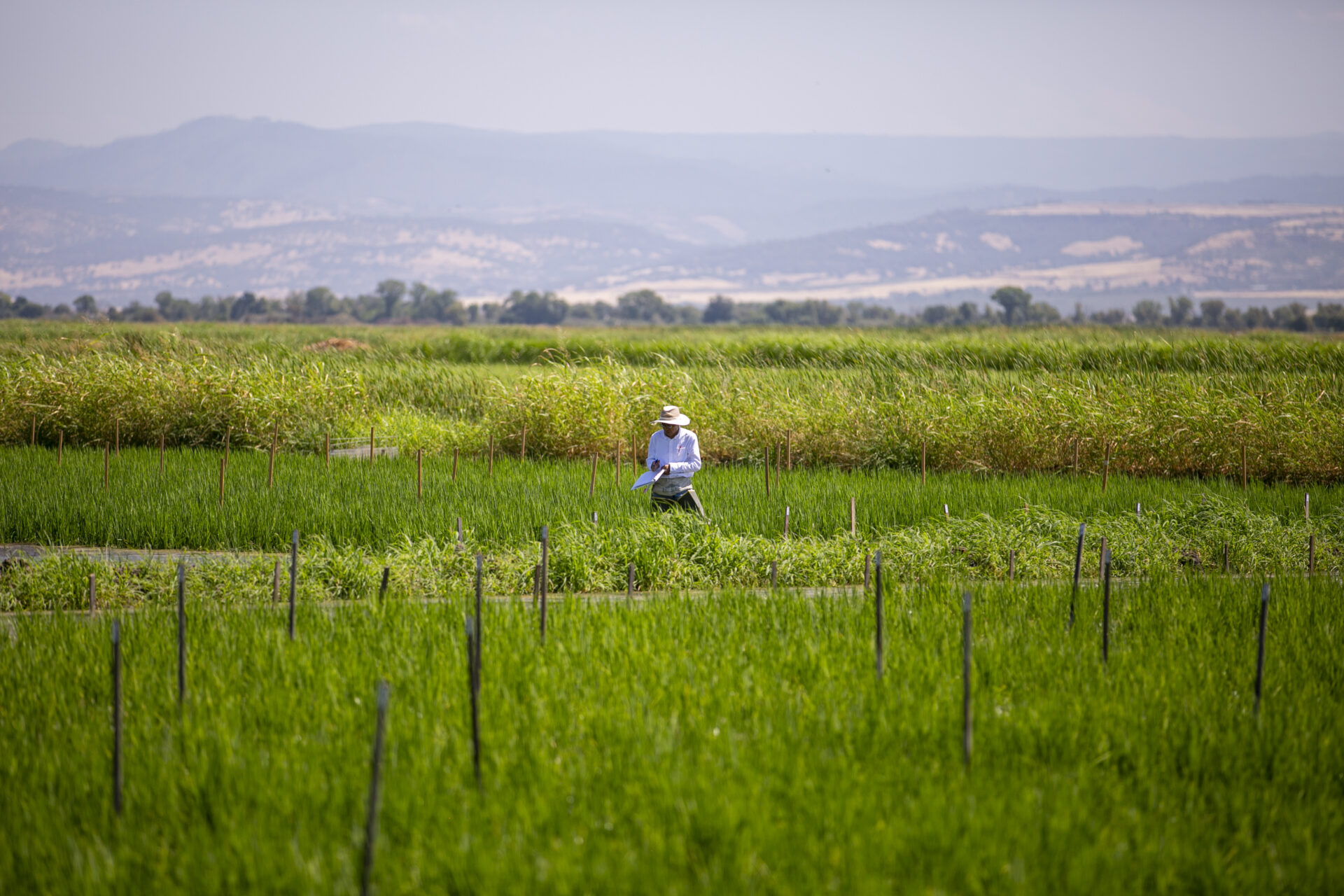
Early on, there were doubts about whether conservation tillage would disqualify the farm from being considered regenerative. Over time, standards evolved away from a rigid “no-till only” definition, allowing more flexibility based on crop type, soil conditions and outcomes. This shift made it possible for rice systems to fit within regenerative organic frameworks, provided they demonstrated measurable soil and ecosystem benefits.
Another key issue was livestock. Regenerative systems are often associated with integrated crop-livestock operations, but Lundberg Family Farms does not raise animals. Instead, its fields are part of the Pacific Flyway, a major migratory bird route in North America. During winter, flooded rice fields provide habitat and food for thousands of ducks, geese, swans and cranes.
Under ROA standards, this interaction with wildlife was evaluated as part of the farm’s biodiversity and animal welfare contribution. The certification process required documenting species presence, seasonal patterns and habitat management practices, expanding the scope of monitoring well beyond traditional stewardship reporting.
Data collection and verification became a central component of the certification. While the farm already produced sustainability and biodiversity reports, ROA required more granular information, including how often soil remained uncovered, when and how tillage occurred, and the specific species observed across fields. This led to changes in field management, such as extending the period that cover crops remained in place after harvest to reduce soil exposure.
The regenerative organic framework also includes a strong social responsibility dimension. Certification audits involve interviews with employees and a review of wages, working hours and safety conditions. The goal is to ensure fair labor practices and safe working environments, placing people on equal footing with soil and ecosystem health.
According to the Lundberg family, this human-centered component was one of the most rigorous aspects of the process, as it extended certification beyond agronomy into business operations and workforce management. Inspectors verified that employees were not overworked, were compensated fairly and operated under safe conditions.
From a commercial perspective, the certification has influenced how the company communicates with consumers. While farming practices remained largely consistent with previous methods, the ROC label provided a structured way to explain those practices more clearly and credibly. According to AgFunderNews, the certification became a storytelling tool that helped reconnect consumers with the realities of farming and environmental stewardship.
The push toward certification was initially driven by customer demand. Retail and foodservice partners encouraged the company to pursue regenerative organic status and to rethink packaging and messaging. While the farm’s practices were already advanced, they were not always visible or easily understood by consumers. The certification provided a standardized signal of credibility.
Consumer interest in regenerative organic products appears to be growing. Data cited by AgFunderNews indicates that more than 60% of surveyed consumers express interest in regenerative organic products and are willing to pay more for them. Across the ROA network, which is approaching 20 million certified acres, sales of certified products have increased by approximately 24%, suggesting a tangible market impact.
Despite this interest, Lundberg Family Farms chose not to raise prices after obtaining certification, as its products were already positioned at a premium level. The company aimed to avoid forcing consumers to choose between organic and regenerative organic options, instead integrating certified ingredients into a wider range of products.
One strategic shift has been the use of regenerative organic certified rice in mainstream offerings, such as ready-to-eat and microwaveable products. The goal is to increase visibility and accessibility, allowing more consumers to encounter regenerative organic food in everyday purchases rather than niche categories.

The Lundberg case illustrates a broader trend in agriculture and food systems: regenerative organic certification is not a label awarded for intent or legacy alone. It requires documented outcomes, continuous improvement and alignment across environmental and social dimensions. Even farms with decades of sustainable practice must adapt, measure and validate their systems against evolving standards.
As regenerative agriculture moves from concept to certification and commercial strategy, experiences like this underscore both the rigor of the process and its potential impact. According to AgFunderNews, regenerative organic certification is emerging as a key differentiator in the food sector, reshaping how farms operate, how companies communicate value and how consumers engage with sustainability claims.