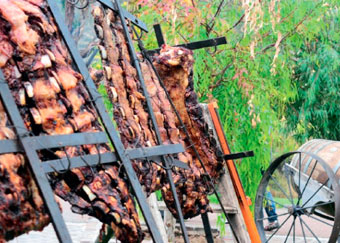
Missouri is increasingly positioning itself as a preferred destination for food and beverage companies seeking to expand or relocate production facilities in the United States. From meatpacking and bottled water to pasture-raised eggs, a growing list of major players is choosing the Show-Me State for new investments, drawn by a combination of lower operating costs, regulatory consistency, geographic centrality and direct access to agricultural raw materials. The trend, highlighted this week by AgFunderNews, reflects broader shifts in how food companies evaluate risk, logistics and long-term growth in a volatile global market.
Companies such as American Foods Group, Swift Prepared Foods and Niagara Bottling have already established operations in Missouri, citing its business-friendly environment and diversified agricultural base. According to industry observers, the state’s appeal goes well beyond tax incentives, resting instead on structural advantages that align closely with the evolving needs of food manufacturing and processing.
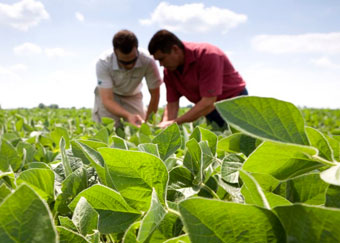
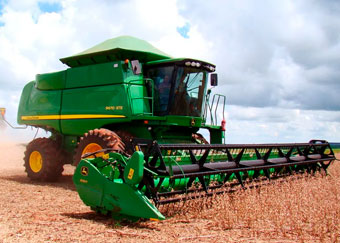
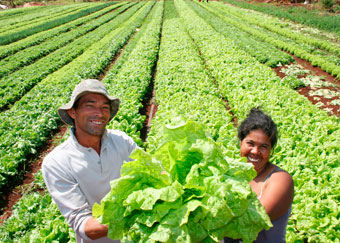
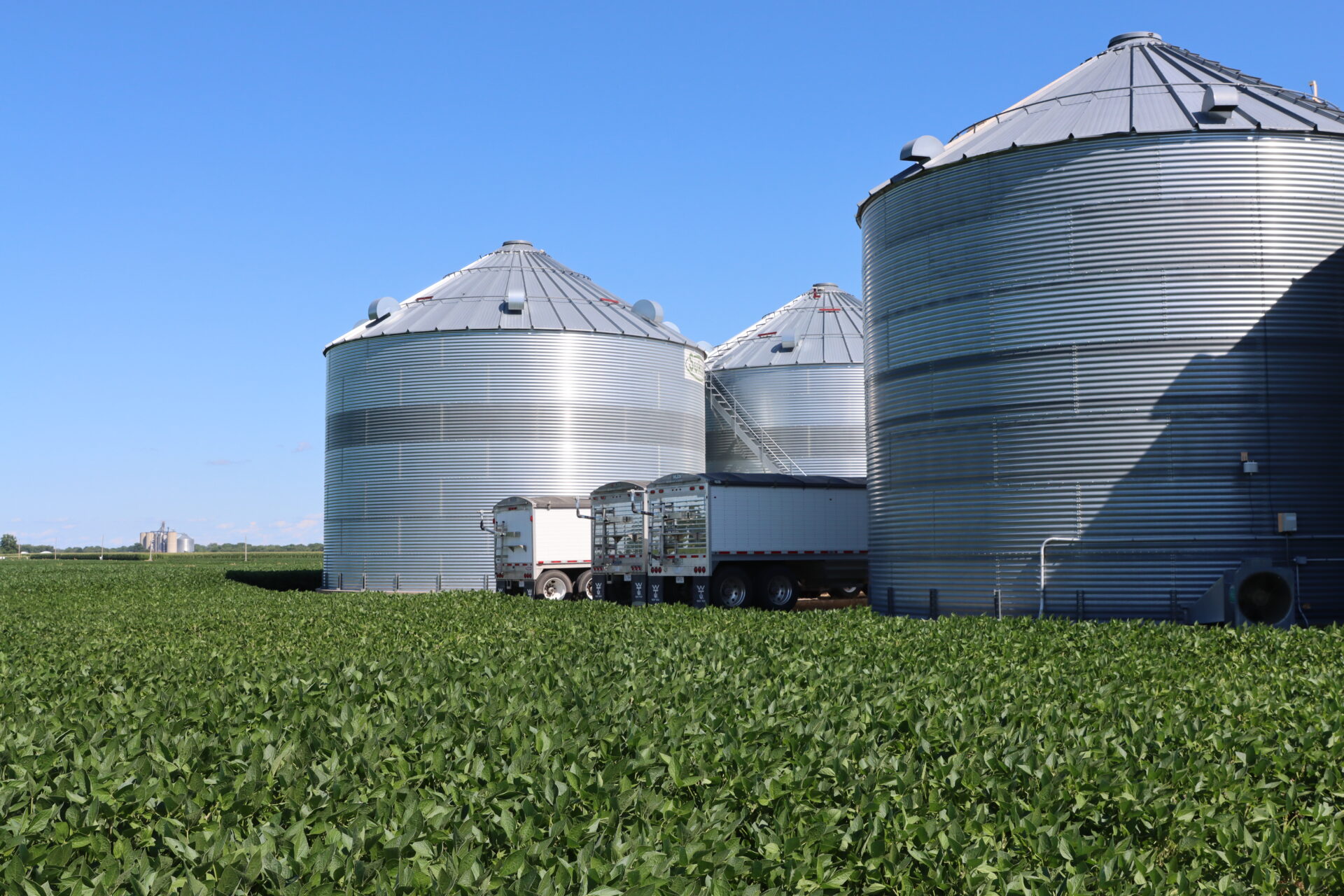
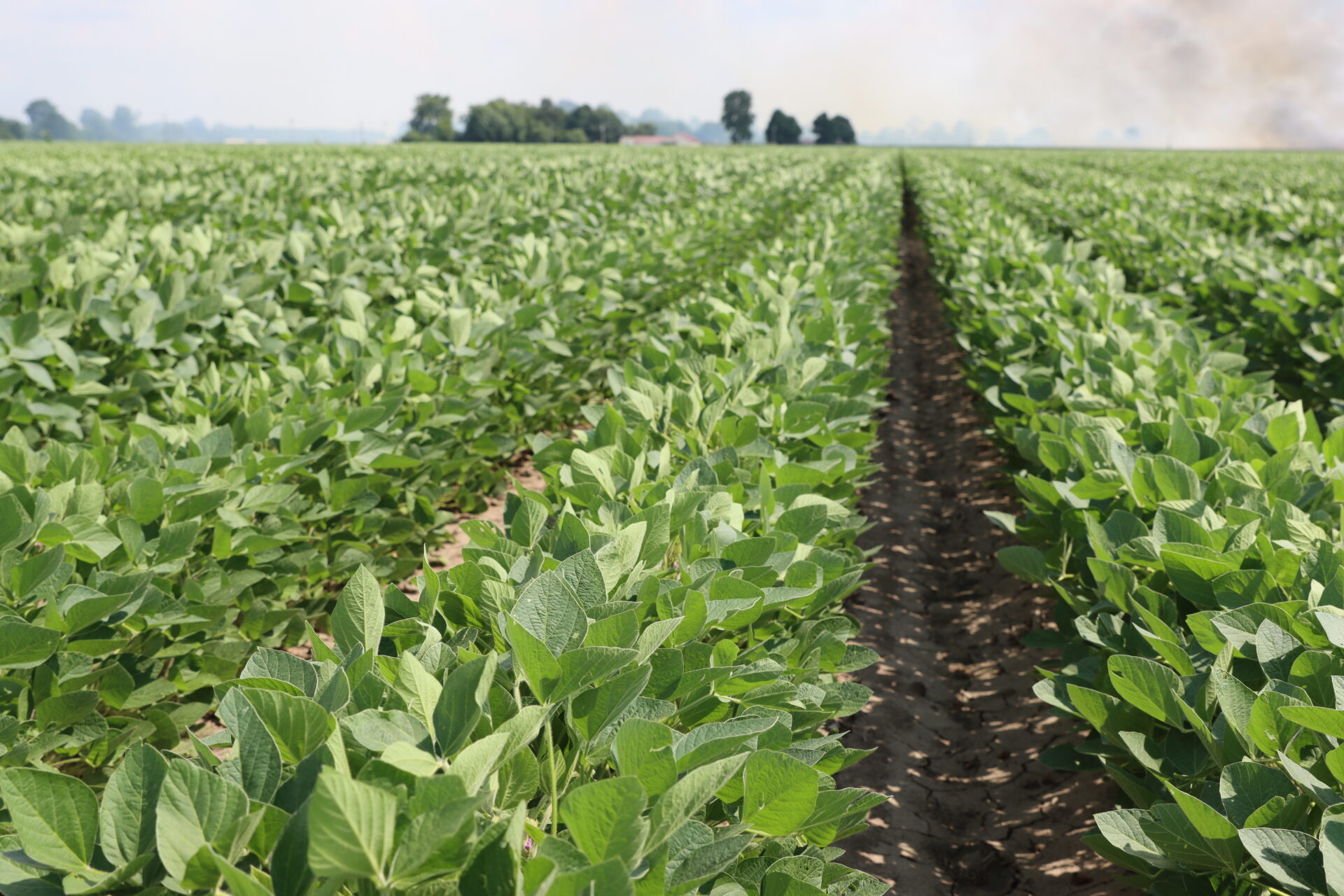
Missouri’s agricultural diversity is one of its strongest assets. Unlike neighboring states that tend to specialize in a narrower range of commodities, Missouri produces corn and soybeans in the north, cattle in the southwest, wheat and poultry across multiple regions, and peanuts in the Bootheel. This diversity allows food and beverage companies to source key inputs locally, reducing transportation costs and supply-chain complexity while strengthening ties with regional producers.
Ashley McCarty, executive director of Missouri Farmers Care, an organization that advocates for farmers and ranchers across the state, told AgFunderNews that this variety is essential for both rural prosperity and food security. “We have a really diverse industry in Missouri as well as strong forestry, so that provides a lot of different opportunities across the state,” she said. “We’re not a one-size-fits-all state.”
Regulatory certainty as a competitive advantage
Beyond production capacity, Missouri has focused heavily on regulatory clarity—an increasingly important factor for companies navigating a fragmented US policy landscape. Food manufacturing and processing regulations often vary widely from state to state and even county to county, creating what McCarty described as a “patchwork of regulations” that complicates financing, compliance and long-term planning.
In 2019, Missouri moved to unify and standardize agricultural and food-related regulations across the state, offering companies a more predictable operating environment. This consistency, McCarty noted, provides the regulatory certainty large food and beverage firms need to invest with confidence.
“A lot of ag companies, particularly food and beverage companies, have a pretty big footprint—not only from where they are individually sited, but from the pyramid of producers,” she said, according to AgFunderNews. “We want to make sure that they have regulatory certainty and freedom to operate.”
One initiative supporting this strategy is the Agri-Ready County Designation program, run by Missouri Farmers Care. The program brings together county commissioners and local leaders to ensure there are no additional local regulations that would hinder agricultural businesses. Counties that receive the designation effectively signal they are open for business, with supportive infrastructure and policy frameworks already in place.
McCarty cited Audrain County, in central Missouri, as an example. The county has actively sought to attract dairy operations from out of state, responding to a long-term decline in local dairy production. Missouri currently does not produce enough milk to meet its own population’s needs, a gap Audrain County aims to close by welcoming dairies seeking lower-cost regions with adequate water and feed resources.
Geography, logistics and untapped potential
Missouri’s central location has become another decisive factor as fuel costs rise and the US trucking industry continues to face a shortage of qualified drivers. For food companies, proximity to both suppliers and consumers can significantly reduce logistical risk.
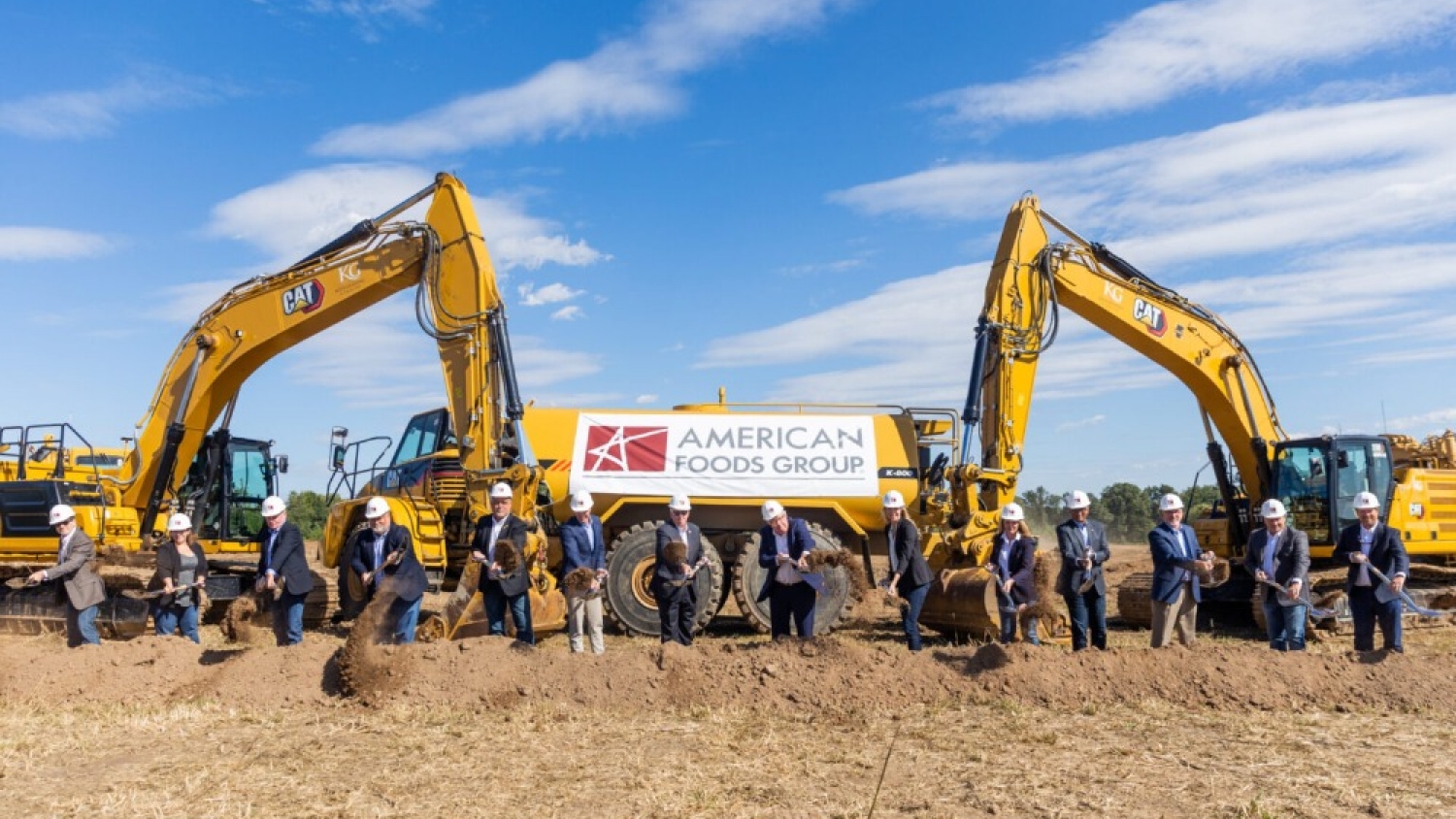
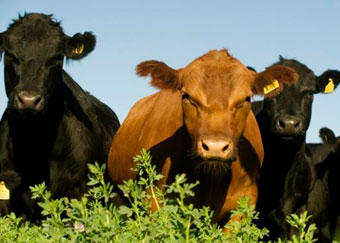
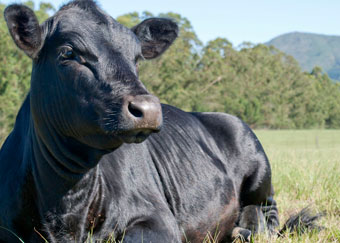
The state sits near the geographic center of the US population, making it an efficient distribution hub for national markets. American Foods Group’s decision to locate its beef-packing facility in Warren County, roughly 50 miles west of St. Louis, reflects this logic. The facility draws cattle from a radius of about 500 miles, encompassing all of Missouri and several neighboring states.
According to McCarty, the impact extends well beyond the facility itself. “They draw cattle from 500 miles. That’s the entirety of Missouri and several surrounding states that will be touched by their market pull,” she told AgFunderNews. “We have such a potential of production and untapped processing, and therefore untapped jobs, land base, and tax base.”
This combination of production capacity and underutilized processing infrastructure represents a significant growth opportunity. By moving more agricultural output up the value chain within the state, Missouri can capture additional economic value while strengthening its rural communities.
A ripple effect across communities
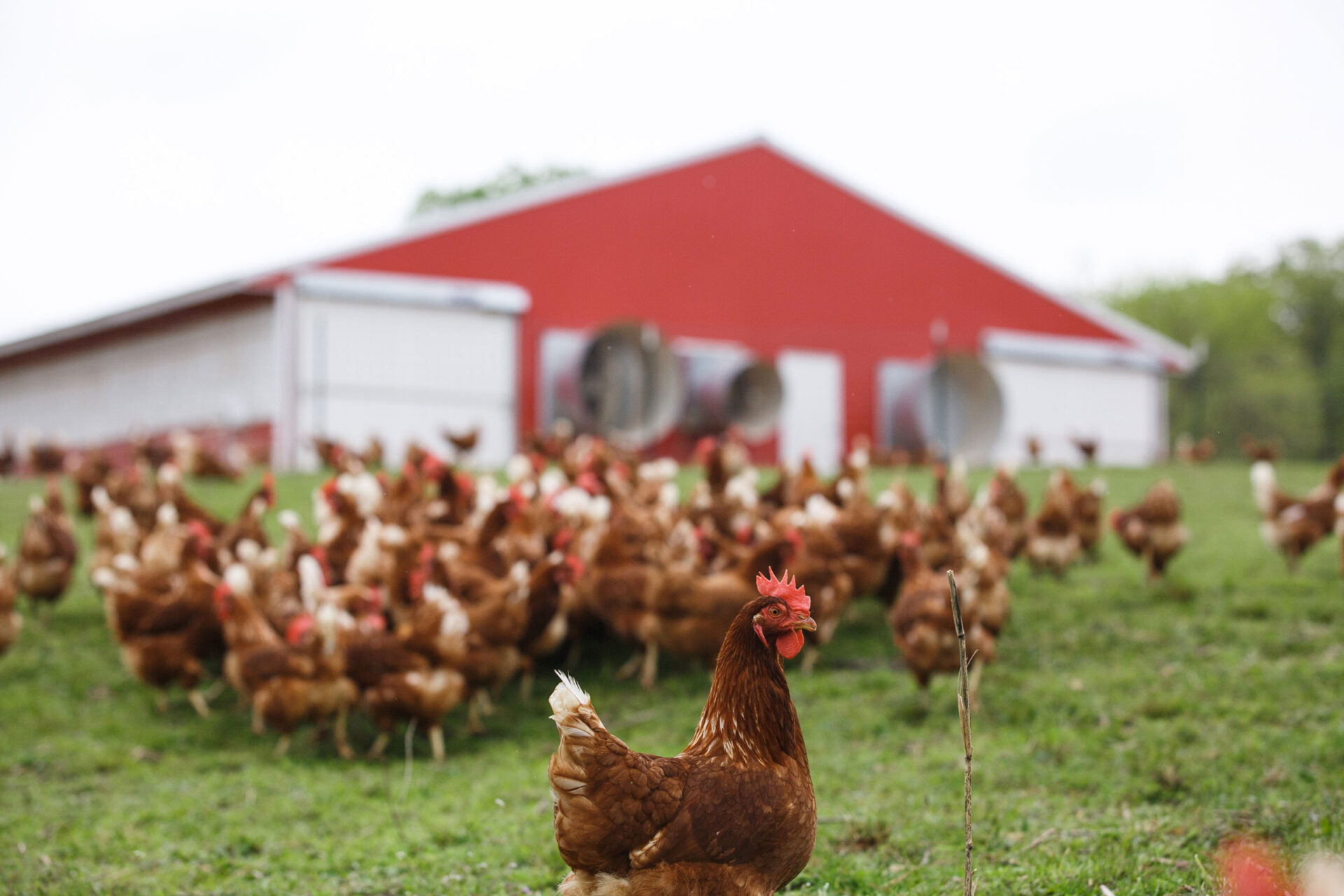
The experience of Vital Farms illustrates how these dynamics play out on the ground. The Texas-based pasture-raised egg company selected Springfield, Missouri, in 2017 as the site for its egg washing and packing facility, known as the Egg Central Station (ECS). The decision was driven in part by logistics: more than half of the nearly 600 small farms Vital Farms works with are located within a one-day drive of the Missouri facility.
Mike O’Brien, director of plant operations at the ECS, said geography was only one factor. “We chose Springfield as the home for the ECS for several reasons, including the area’s logistical advantages, strong infrastructural systems, pro-business ecosystem, and outstanding workforce,” he told AgFunderNews.
The availability of skilled local labor has been a major benefit, allowing the company to hire employees aligned with its mission of ethical food production. At the same time, Vital Farms’ presence has generated what O’Brien described as a “ripple effect of economic development,” creating jobs and supporting local service providers.
Local institutions also played a role. O’Brien noted that support from municipal officials and organizations such as the Chamber of Commerce was instrumental in the company’s decision to scale operations in the region.
Farmers driving value-added growth
While corporate investment is reshaping Missouri’s food landscape, farmers themselves remain central to the state’s strategy. McCarty emphasized that Missouri producers have a long history of building new markets when opportunities arise.
She pointed to the ethanol sector as a case in point. When ethanol plants were scarce in the state, farmers took the lead in developing them. Today, most of Missouri’s roughly 300 million gallons of annual ethanol production comes from six plants that are majority farmer-owned.
“They know they can move Missouri agriculture as a whole up the value chain if we can attract more processing, more ag investment to the state,” McCarty said, according to AgFunderNews. “So they’re playing a pretty significant role in making sure people hear about Missouri’s potential.”
As global food companies reassess supply chains, regulatory risk and cost structures, Missouri’s mix of agricultural diversity, policy stability and central geography is increasingly difficult to ignore. The state’s growing role in food manufacturing and processing suggests it is no longer just a source of raw commodities, but a strategic platform for value-added food production in North America.