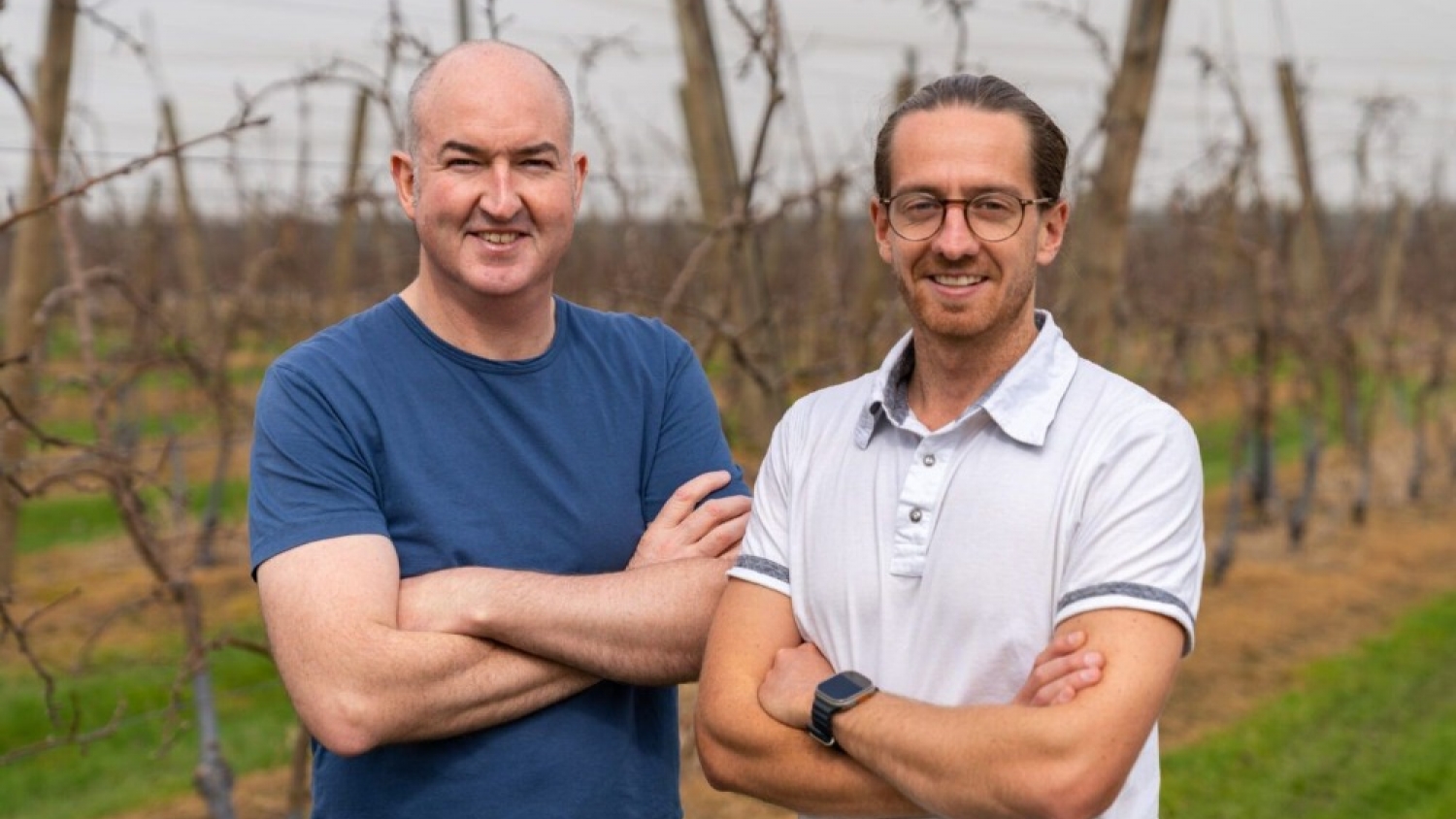
Australian agtech startup Azaneo is developing a new approach to weed control based on electroportation, a high-voltage, non-thermal technology more commonly used in medical treatments, with the goal of competing directly with chemical herbicides on cost and productivity. Founded by Liam Hescock and Jason Chaffey, the company is preparing for commercial trials in 2026 and argues that its system can deliver comparable per-hectare economics while reducing reliance on chemicals, according to AgFunderNews.
The company’s proposal comes at a time when chemical herbicides are facing increasing scrutiny due to environmental concerns, resistance issues and declining effectiveness. While several mechanical and electric alternatives have emerged in recent years, many struggle with high energy consumption, slow operating speeds or prohibitive costs. Azaneo believes its use of irreversible electroportation (IRE) can overcome these barriers.
Electroportation works by applying short, high-voltage electric pulses that create microscopic pores in cell membranes. In reversible applications, commonly used in molecular biology and cancer treatment, the pores reseal after the pulse. Azaneo uses an irreversible form of the process, in which the electric field destabilizes the membrane to the point of cell death. The result is targeted weed destruction without relying on heat or chemical agents.
According to Hescock, this distinction is critical. Thermal electric weeding systems require plant tissue to reach temperatures of 60 to 70 degrees Celsius to be effective, which consumes large amounts of energy and limits operating speed. By contrast, Azaneo’s non-thermal process produces minimal temperature increase. “If the plants are at 20 degrees Celsius, they might be at 24 when we finish,” he told AgFunderNews, underscoring the efficiency advantage of the approach.
Speed is another central element of the company’s strategy. Azaneo’s machines are currently being tested at operating speeds of four to six kilometers per hour, close to the range typically used in conventional herbicide spraying. This puts the system within the productivity thresholds farmers expect from chemical applications, a factor Hescock considers essential for adoption at scale.
Weather flexibility also plays a role. Unlike herbicide spraying, which is constrained by wind conditions and regulatory requirements, Azaneo’s electric system can operate in a wide range of environments. The machines are designed to run for extended periods, potentially up to 24 hours a day, without the need to pause for changing conditions. This capability could be particularly valuable in regions where narrow weather windows limit field operations.
From an economic standpoint, Azaneo’s ambition is to match or undercut herbicides on a per-hectare, per-weed cost basis. Hescock has emphasized that sustainability alone is not enough to drive widespread adoption. “Reducing herbicide use is a big mission of ours, but the unit economics have to be there,” he said in comments reported by AgFunderNews. The company believes higher operating speeds, lower energy use and modular hardware design can deliver the necessary cost structure.
Azaneo is currently developing its first commercial system, a modular tractor-mounted implement initially targeted at vegetable farms. The modular design allows the equipment to be scaled according to farm size and budget, making it accessible to both small and large operations. Hescock noted that this flexibility is essential in a market where many precision weeding technologies remain out of reach due to high upfront costs.
Over the coming months, the company plans to conduct extended trials on its own farm, followed by on-farm testing across multiple locations in Australia. The roadmap includes building and selling between five and ten machines within the year, a step the company sees as critical for validating performance, reliability and economics under real-world conditions.
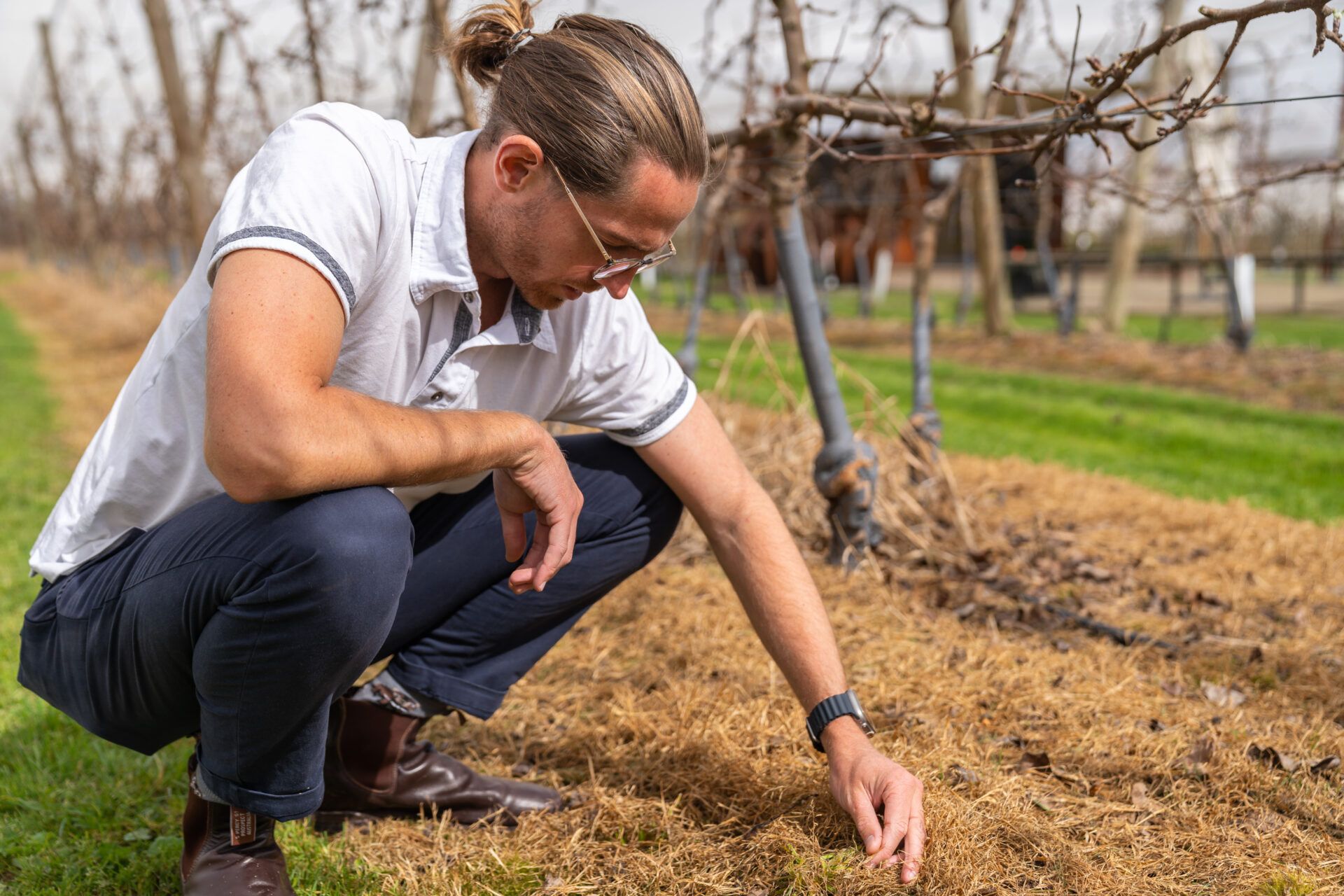
Beyond Australia, Azaneo is actively seeking trial partners in the United States and Europe, reflecting its intention to address global weed management challenges. The startup has already received purchase orders from a range of farms, from small-scale producers to larger operations, each with different use cases for the technology. According to Hescock, the modular approach allows Azaneo to tailor configurations without compromising affordability.
Labor dynamics are another factor shaping the company’s value proposition. Weed management remains labor-intensive, and many farming regions face persistent workforce shortages. By enabling faster, more autonomous weed control, Azaneo’s system could help reduce labor dependence while maintaining precision, an increasingly important consideration for growers.
The broader context for Azaneo’s work is a global push toward climate-smart and sustainable agriculture, where reducing chemical inputs is a priority but economic viability remains non-negotiable. While robotic and AI-driven weeding solutions have attracted significant attention and investment, their adoption has often been limited to high-value crops or well-capitalized farms. Azaneo positions itself as a more cost-accessible alternative, particularly when compared to high-end robotic systems.
Hescock has acknowledged that farmers are highly pragmatic when evaluating new technologies. Precision and sustainability are attractive, but only if they come at a manageable price point. In that sense, Azaneo’s competitive target is not only herbicides but also existing electric and robotic weeders whose costs have slowed market penetration.
As the company moves toward commercialization, its success will hinge on whether electroportation can consistently deliver weed control efficacy, speed and durability across different crops and field conditions. If those benchmarks are met, Azaneo could carve out a meaningful role in the evolving weed management landscape, offering growers a non-chemical option that aligns with both environmental goals and operational realities.