According to AgFunderNews, DeepSight is taking augmented reality (AR) out of the lab and into everyday industrial operations by transforming how factories capture, share, and apply operational knowledge. Founded in Montreal, the startup has developed a platform that uses artificial intelligence and AR to convert the experience of seasoned operators into step-by-step digital work instructions that can be accessed directly on the factory floor.
The company’s approach addresses a persistent problem in manufacturing: critical know-how often resides in the heads of veteran workers rather than in formal systems. When those employees retire or leave, that knowledge disappears, leading to longer training times, higher error rates, and costly downtime. DeepSight’s solution aims to capture that “tribal knowledge” once and redistribute it consistently across shifts, teams, and languages.
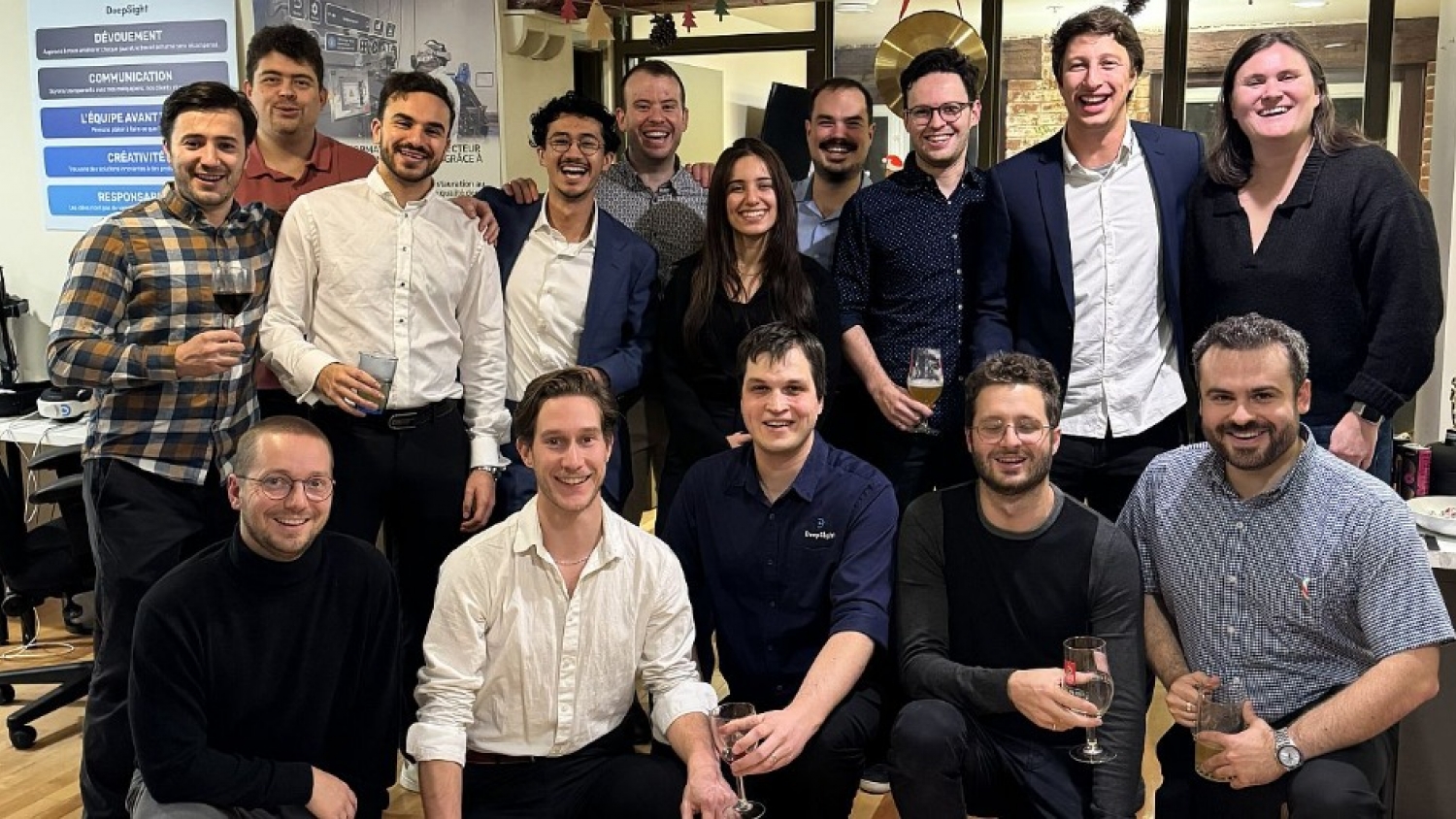
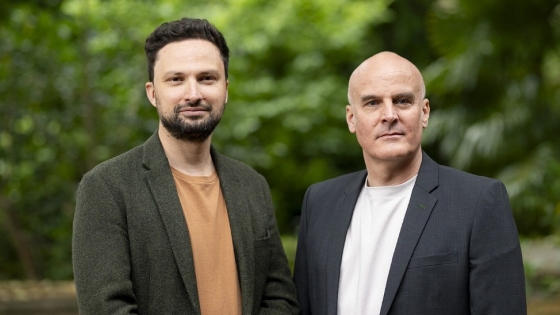
Founded in 2019 by Nicolas Bearzatto and Francis Dubé, DeepSight originally focused on an AR engine capable of visualizing and manipulating 3D models. Over time, it evolved into a broader knowledge-management and digital work-instruction platform, with a strong emphasis on industrial environments and, in particular, food manufacturing.
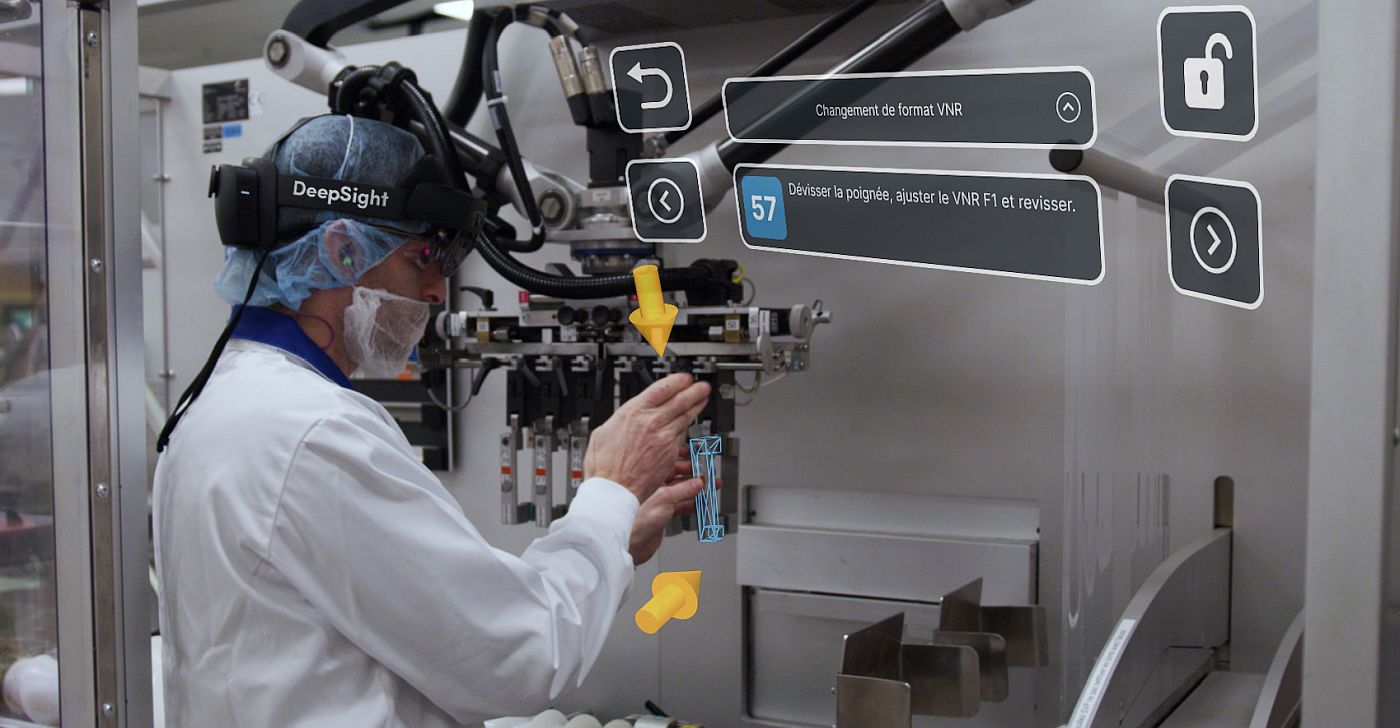
At the core of the system is a rapid knowledge-capture process. Experienced operators wear smart glasses while performing their tasks as they normally would. The system records what they see, say, and do, including hand movements, head position, and interactions with equipment. That data is then processed by AI, which synthesizes it into standardized, step-by-step digital instructions in a matter of minutes.
Bearzatto describes the concept in practical terms: the goal is to document how the “Joe or Bob” of a factory—someone with decades of experience who knows every shortcut and workaround—actually performs a task. “We document everything: what he’s doing, what he’s seeing, what he’s telling us he’s doing,” he explained. The AI then converts this raw information into instructions that are visual, interactive, and easy to digest, significantly reducing the time needed to formalize processes.
For end users, the instructions are typically delivered via tablets, which are already common on many factory floors, though AR smart glasses can also be used. Workers scan a QR code on a machine, which pulls the relevant instructions from the cloud and anchors digital content to the physical equipment. On-screen arrows, highlights, and prompts appear with high precision, guiding users through each step of a task.
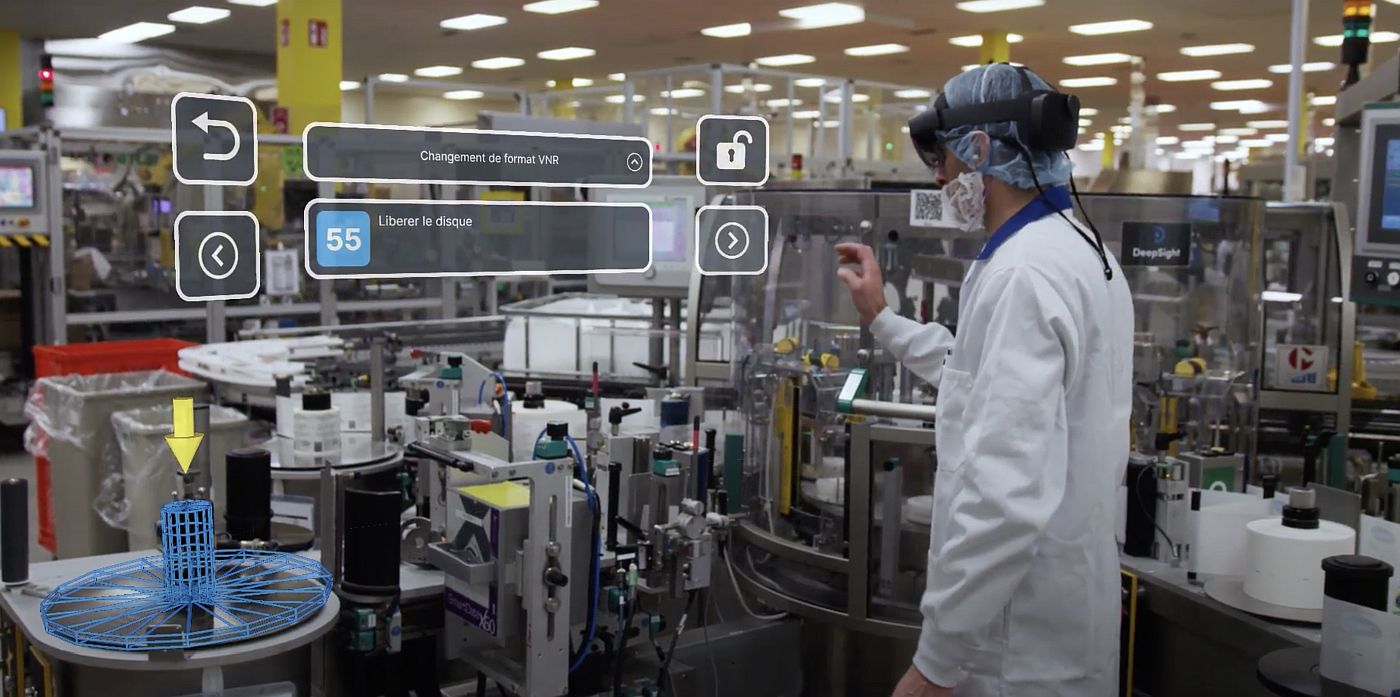
Each step requires confirmation before moving on, ensuring procedural compliance. The system can also prompt workers to capture photos, videos, or checklist responses, creating a digital trail that supports quality assurance, traceability, and safety compliance. Importantly for global manufacturers, the instructions can be delivered in multiple languages, addressing one of the major challenges in plants with diverse workforces.
While DeepSight’s long-term vision includes fully conversational AI delivered through smart glasses—allowing workers to interact with an AI assistant in real time—the company is currently focused on practical deployment that delivers immediate returns. Bearzatto notes that AR headsets are primarily used today for content capture, while tablets handle most of the day-to-day delivery. As hardware costs decline, he expects broader adoption of glasses on the shop floor.
The platform is designed to be hardware-agnostic, compatible with devices from major technology providers. This flexibility allows DeepSight to focus on software and scalability rather than being tied to a single hardware ecosystem.
DeepSight primarily targets medium-to-large manufacturers, typically facilities with more than 100 operators, where the return on investment is most visible. While operations leaders are usually the primary buyers, the platform increasingly extends beyond onboarding and training. Customers now use it for daily operations, maintenance, safety recertification, and quality control, embedding digital instructions into routine production workflows.
The company is gaining particular traction in food manufacturing, but it is also active in sectors such as aerospace, mining, materials processing, and pharmaceuticals and cosmetics. After bootstrapping for more than six years through revenue, grants, and small insider investments, DeepSight raised a CAD$1 million venture round in 2025, providing capital to scale its commercial footprint.
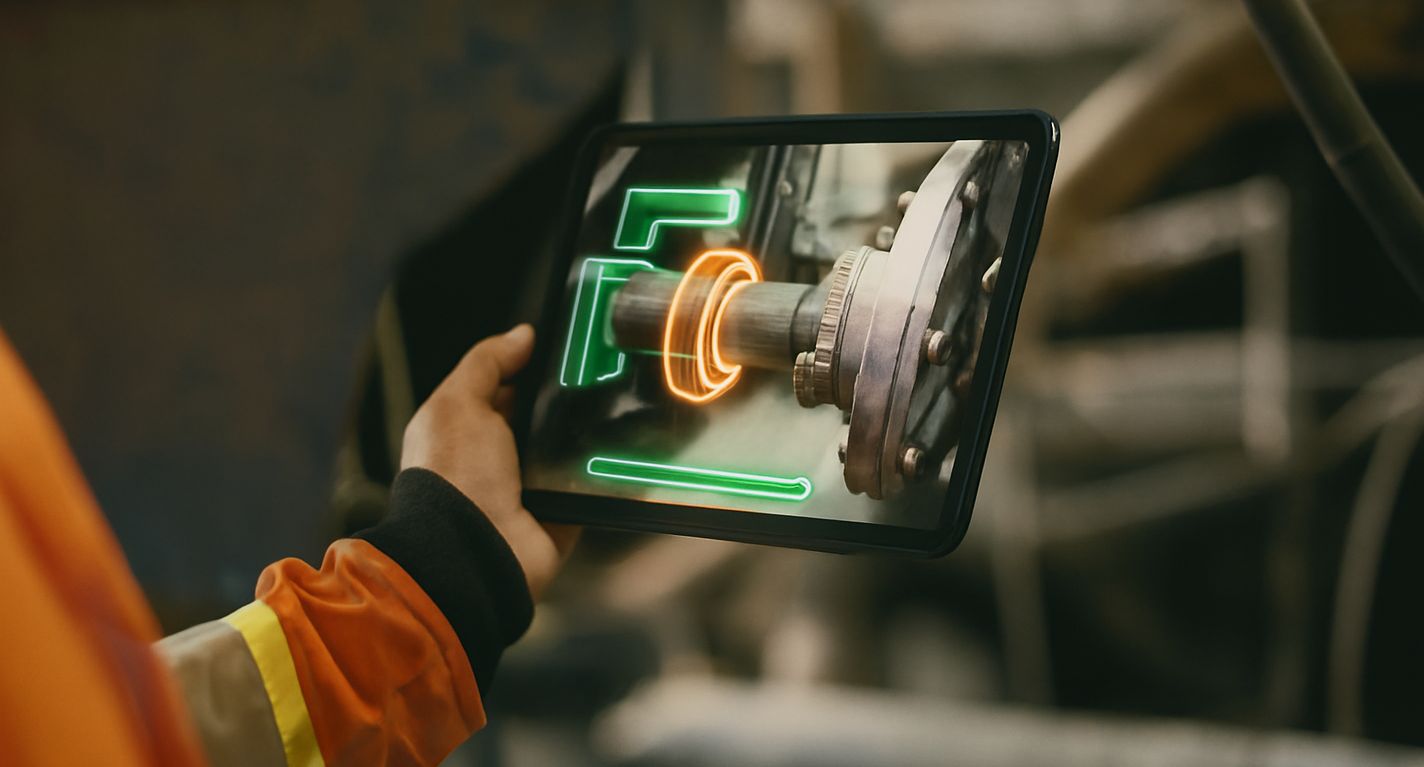
As interest in AR grows, DeepSight is careful to emphasize measurable results rather than novelty. Bearzatto acknowledges that many manufacturers are wary after failed technology pilots. As a result, the company focuses on quantifiable benefits, such as the dramatic reduction in time required to create formal work instructions and reported 30% to 40% cuts in training time for new employees. Customers also report fewer errors and higher first-time task success rates, even among workers with no prior technical background.
From a broader perspective, DeepSight’s model highlights the complementary roles of immersive technologies. While virtual reality remains valuable for simulating hazardous or rare scenarios, augmented reality is increasingly seen as the more practical tool for real-world execution. By overlaying digital guidance onto physical equipment, AR enables workers to learn and perform tasks simultaneously, without removing them from the production environment.
As manufacturers face labor shortages, higher turnover, and increasing operational complexity, platforms like DeepSight suggest a path forward—one where AI, AR, and human expertise converge to preserve knowledge, improve productivity, and make industrial work more resilient.