UK-based startup Biographica and Dutch company Hudson River Biotechnology have formed a partnership to develop new crop traits by combining artificial intelligence, genomic analysis and gene editing. The collaboration will initially focus on tomatoes and aims to cover the entire process, from identifying genetic targets to developing edited varieties for commercial applications.
According to AgFunderNews, the partnership is designed to combine the companies’ capabilities to address crop-breeding challenges that remain difficult to solve with conventional approaches. Biographica contributes a computational platform capable of identifying and prioritizing genes associated with specific traits, while Hudson River brings expertise in gene editing, plant transformation and regeneration.
The model is designed to allow companies and crop developers to bring a specific agricultural challenge to the partnership and access an integrated process for finding potential genetic solutions. Target traits include disease resistance, drought tolerance, crop quality and nutrition.
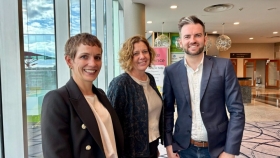
“Hudson River has deep expertise in genome editing, and to serve a wider variety of customers, they can leverage our predictive capabilities such that a customer can say ‘I have this trait problem, give me an edited variety to solve that,” Biographica cofounder Dominic Hall told AgFunderNews.
Biographica’s platform analyzes large volumes of genomic data to determine which genes may have the greatest influence on a particular trait. It then ranks those genes according to their potential and helps design specific genetic modifications.
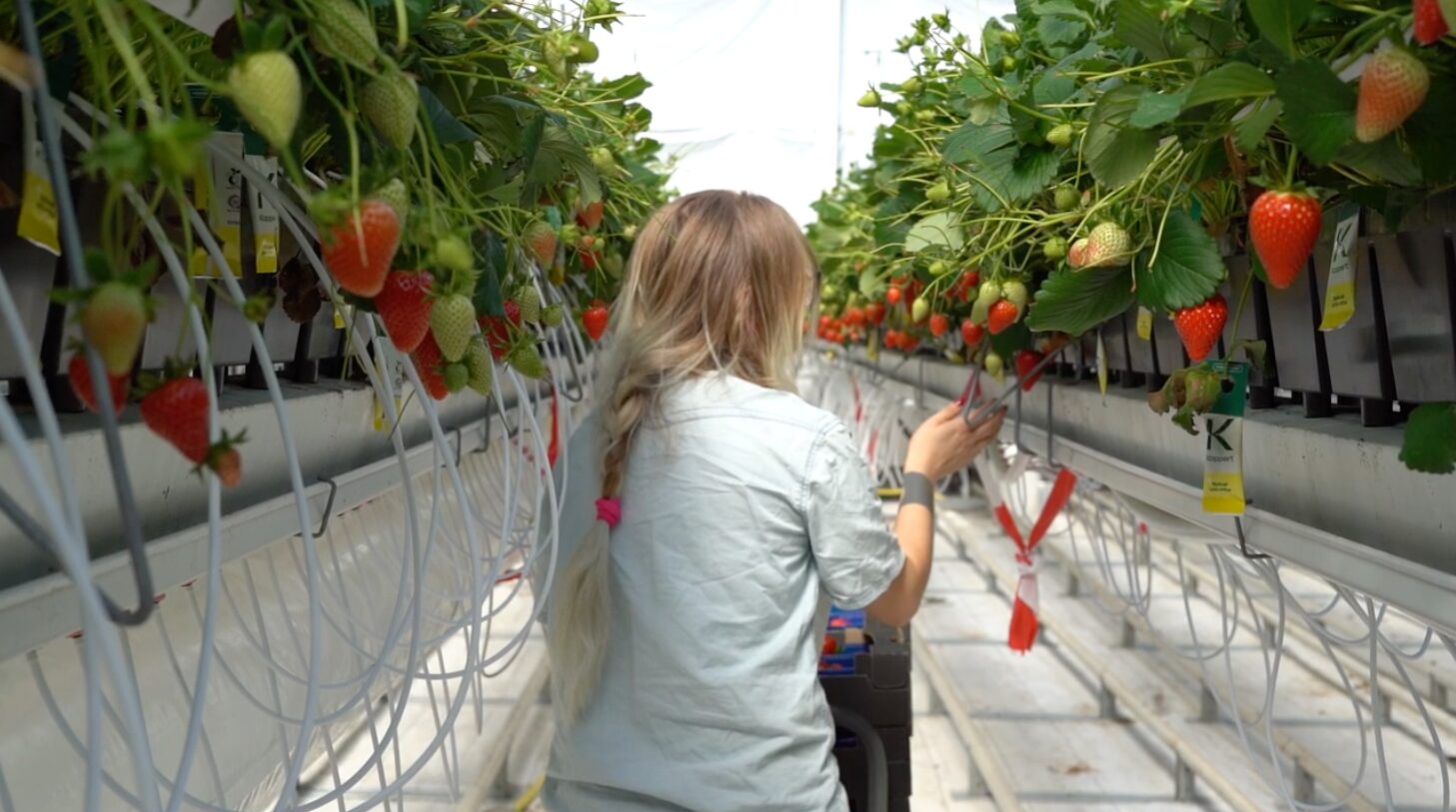
Hudson River, meanwhile, uses its gene-editing and single-cell regeneration capabilities to apply those modifications to plant material. The company also has experience working with crops considered challenging for these technologies, including strawberries.
The partnership is also targeting cases where conventional approaches fail to identify a clear genetic target. The companies point out that techniques such as genome-wide association studies and quantitative trait locus mapping can identify relationships between genetic variants and traits, but do not necessarily determine which genetic modifications are most likely to produce the desired outcome.
Biographica aims to go a step further through multimodal machine learning models trained on information about interactions between genes and between genes and traits. The company uses these models to predict which genes could have a causal impact on a particular characteristic and which ones are the most promising targets for editing.
The process also incorporates experimental results back into the models, allowing the system to continuously improve its predictions.
One of the startup’s more advanced areas of research involves susceptibility genes, which can be exploited by pathogens to infect plants. In some cases, completely removing these genes can interfere with other plant functions and negatively affect yield or development.
For that reason, Biographica is developing models designed to predict how a genetic modification could alter gene expression depending on the tissue, biological context or specific stimulus. The goal is to modulate gene activity rather than simply eliminate the gene.
“We ask can we modulate expression of these genes in specific contexts so we can reduce the susceptibility of the plant without having yield a penalty? That’s a core focus area for us at the moment,” Hall said, according to AgFunderNews.
Biographica was founded in 2022 by Dominic Hall and Cecily Price. The company recently raised a £7 million, or approximately $9.5 million, seed round led by Faber VC to advance its AI-driven crop design platform.
In addition to its partnership with Hudson River, Biographica is working with major companies in the agriculture sector, including BASF. Its strategy combines customer-driven projects with its own research programs focused on traits identified through market demand.
According to Hall, disease resistance is currently one of the strongest areas of interest among crop developers, although opportunities also exist in crop quality and nutrition.
The Biographica-Hudson River partnership therefore seeks to connect two stages that are often handled separately: computational identification of genetic targets and their subsequent application through plant gene editing. The initial focus will be tomatoes, with the possibility of expanding the model to other crops.