By Agroempresario.com
Nottingham Trent University is receiving international applications for its pioneering master's degree in "smart agriculture" starting this September. The program aims to equip students with the skills to address some of the most pressing challenges in modern farming.
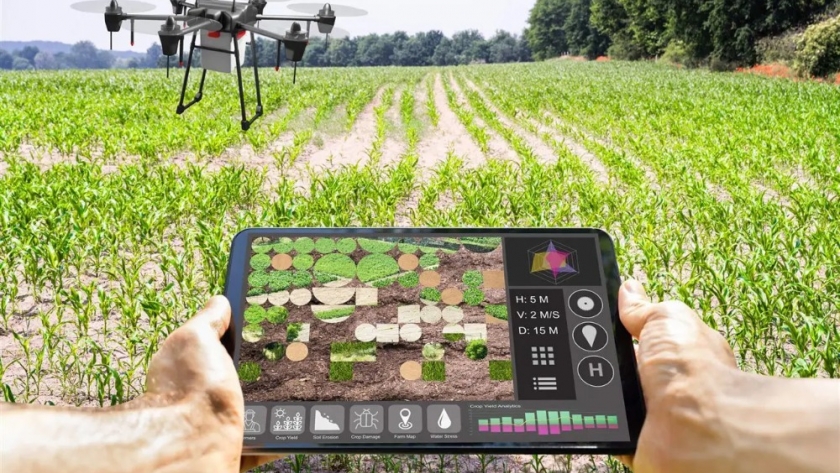
Students accepted into the program will delve into advanced agricultural techniques, including artificial intelligence (AI), vertical farming, automation, and precision agriculture. These methods are crucial for ensuring food security and reducing energy and fertilizer costs amid the growing global population and the impacts of climate change.

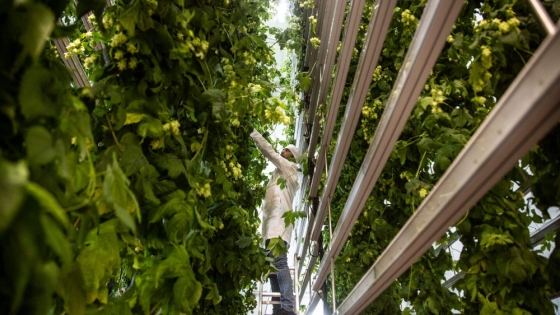
Participants will collaborate with researchers at the university's Brackenhurst campus. They will work in cutting-edge glasshouses and solar-powered shipping containers to develop innovative methods for accelerating crop production. Senior researcher Dr. Gadelhag Mohmad explains that their high-tech vertical farms use AI to optimize nutrient and lighting conditions, significantly increasing efficiency. "We only give the exact amounts that the plants need," Dr. Mohmad notes, highlighting how this precision allows them to grow three trays of plants with the same resources previously used for just one.
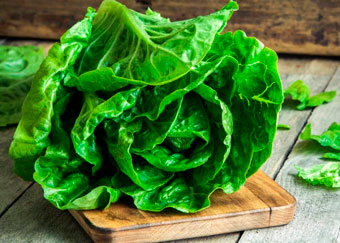
The program is not limited to leafy greens. In China, similar techniques are already enhancing rice production. The UK’s commercial food sector is also taking interest, with plans to incorporate these systems in distribution centers, attracted by the promise of pest-free, clean, and fresh crops.

Professor Chungui Lu, who leads the research, emphasizes the reliability and efficiency of soil-free farming in controlled environments. This method ensures a stable supply chain unaffected by weather disruptions. Julia Davies, acting deputy dean, adds that the course will also focus on managing vertical farms and understanding the importance of short supply chains in promoting sustainability and nutrition.
"This is the future of agriculture," states Professor Lu, underscoring the timely introduction of the smart agriculture program. The university anticipates high demand for graduates proficient in these innovative farming techniques as climate change continues to threaten traditional agricultural practices.