By Agroempresario.com
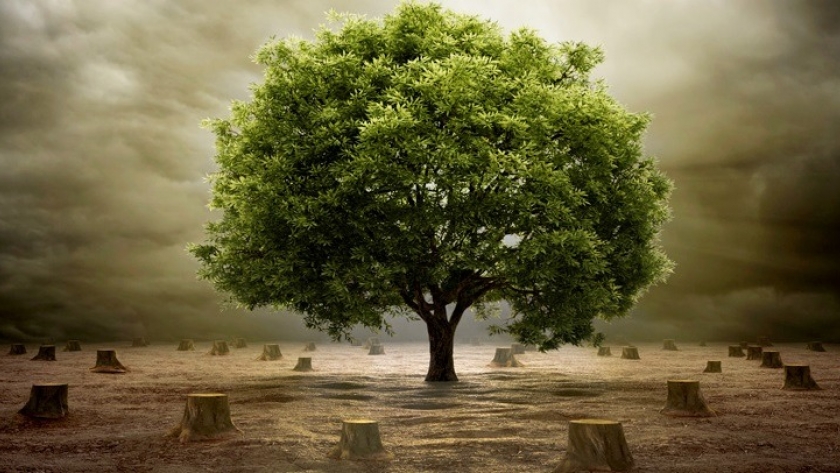
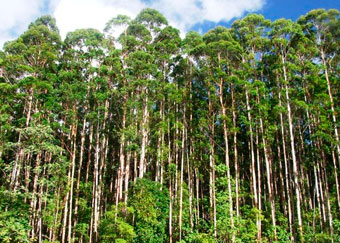
In recent decades, deforestation has become a global problem of alarming proportions. From the Amazon rainforest to the tropical forests of Indonesia, the indiscriminate logging of trees is leaving irreversible scars on our planet. However, the impact is not limited to the environment; it has severe social consequences that affect entire communities.
The loss of biodiversity is one of the main concerns associated with deforestation. Each tree felled means the destruction of a vital habitat for countless species of plants and animals. This loss triggers a cascade of effects, including decreased soil fertility, erosion, and disruption of local hydrological cycles. These environmental changes have a direct impact on the lives of people who depend on natural resources for their livelihoods.

In many regions of the world, indigenous communities are the most affected by deforestation. These populations often have a deep connection with the land and rely on the forests for their food, medicine, and culture. The loss of these resources not only threatens their way of life but can also lead to conflicts over land and resources between communities and companies seeking to exploit timber, mining, or other economic activities.
Moreover, deforestation significantly contributes to climate change by releasing large amounts of carbon dioxide stored in trees. This increase in greenhouse gas emissions further exacerbates extreme weather events such as floods, droughts, and storms, which often disproportionately affect the most vulnerable communities.
In light of this bleak outlook, it is urgent to take measures to address deforestation and its social impacts. Strong government policies are needed to protect forests and promote sustainable forest management practices. Additionally, it is essential to respect the rights of indigenous and local communities over their territories and resources, involving them in decision-making processes that affect their lives and environments.

Environmental education also plays a crucial role in raising awareness about the importance of forests and promoting more sustainable lifestyles. By adopting responsible consumption practices and supporting conservation initiatives, each individual can contribute to the protection of forests and the well-being of the communities that depend on them.
Ultimately, the fight against deforestation is not only an environmental issue but also a matter of social justice and equity. We must act now to preserve our forests and ensu.