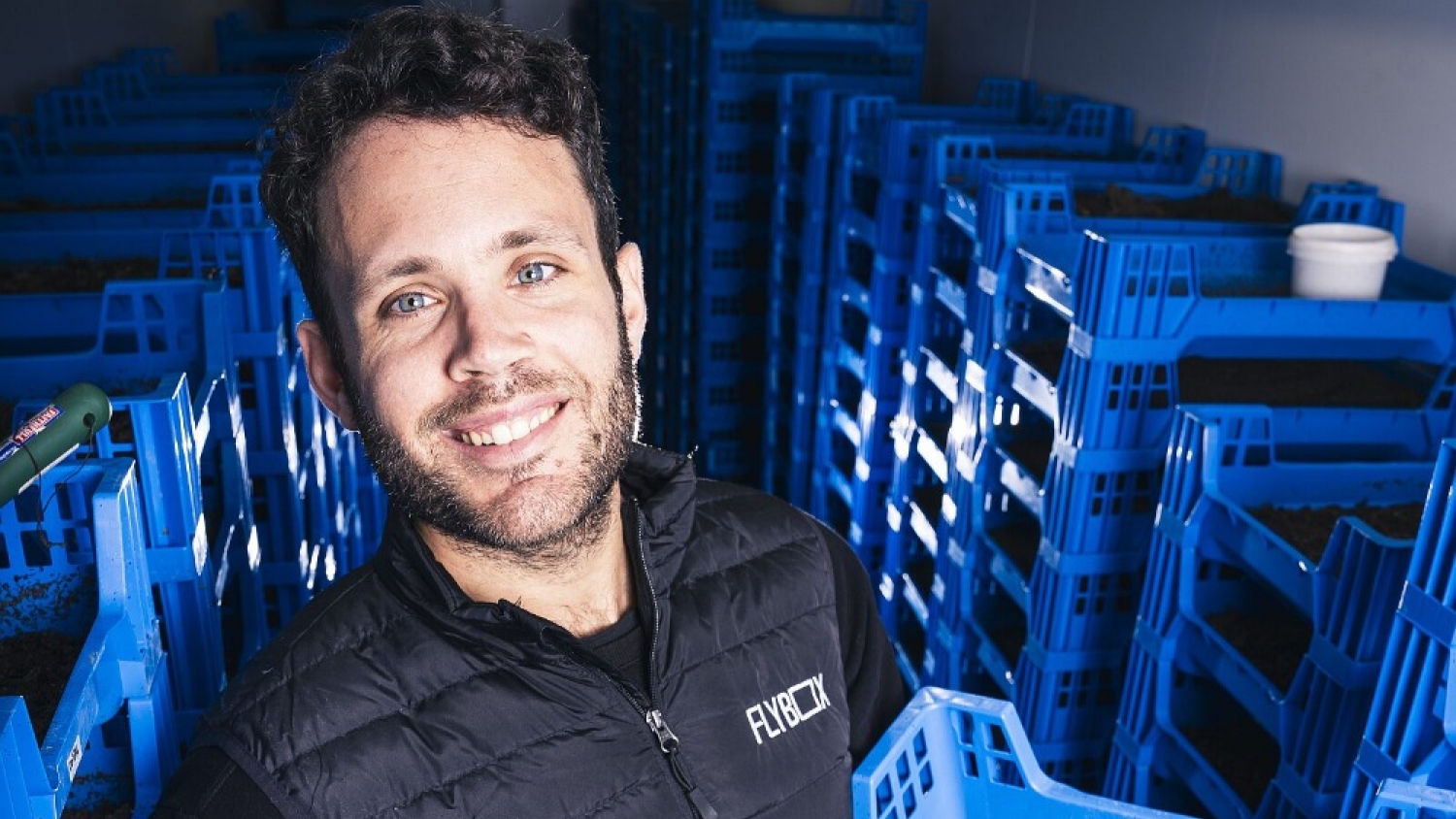
Insect farming can remain viable in Europe, but not under the business model that attracted hundreds of millions in venture capital over the past decade. That is the view of FlyBox founder and CEO Larry Kotch, who argues that the future of the industry lies in waste management rather than premium insect protein production. His assessment comes after a series of high-profile failures involving major insect farming companies across Europe and North America.
According to Kotch, companies such as Ÿnsect, Enorm and Aspire faced different challenges, but shared a common assumption: that customers would pay premium prices for insect-derived protein meal. As reported by AgFunderNews, that expectation did not materialize.
Commodity feed buyers generally seek black soldier fly meal for less than £1.50 per kilogram, while many Western producers require more than £3 per kilogram simply to break even. That cost imbalance, Kotch argues, makes large-scale insect protein production difficult to sustain under traditional business models.
Rather than positioning insect farming as a novel protein industry, Kotch believes operators should focus on helping waste management companies process organic waste streams. In this model, businesses generate revenue by handling waste rather than purchasing feedstock and relying solely on protein sales.
“The idea of there being insect farming companies as if it’s a separate thing, though, is for the birds,” Kotch told AgFunderNews. “Those guys are washed out now and the VCs are not interested anymore.”
The entrepreneur says FlyBox has developed a new production platform called Fortress, designed to reduce two of the industry's biggest cost challenges: climate control and capital expenditure.
The system uses a multi-level tower structure that takes advantage of the heat naturally generated by black soldier fly larvae. Younger larvae, which require warmth, are positioned above older larvae that produce significant metabolic heat. This design reduces the need for expensive temperature-control systems commonly used in first-generation insect farms.
Kotch claims the technology lowers production costs enough to compete with imported products and potentially even undercut fishmeal prices.
As reported by AgFunderNews, FlyBox is already in discussions with the six largest waste management companies in the United Kingdom, with one project expected to move forward in the coming years. The company is also exploring opportunities in the Gulf region, where governments are seeking solutions for food security and landfill reduction.
Another key component of FlyBox's strategy is avoiding vertical integration. Instead of building facilities that handle breeding, production and processing under one roof, Kotch favors a decentralized model.
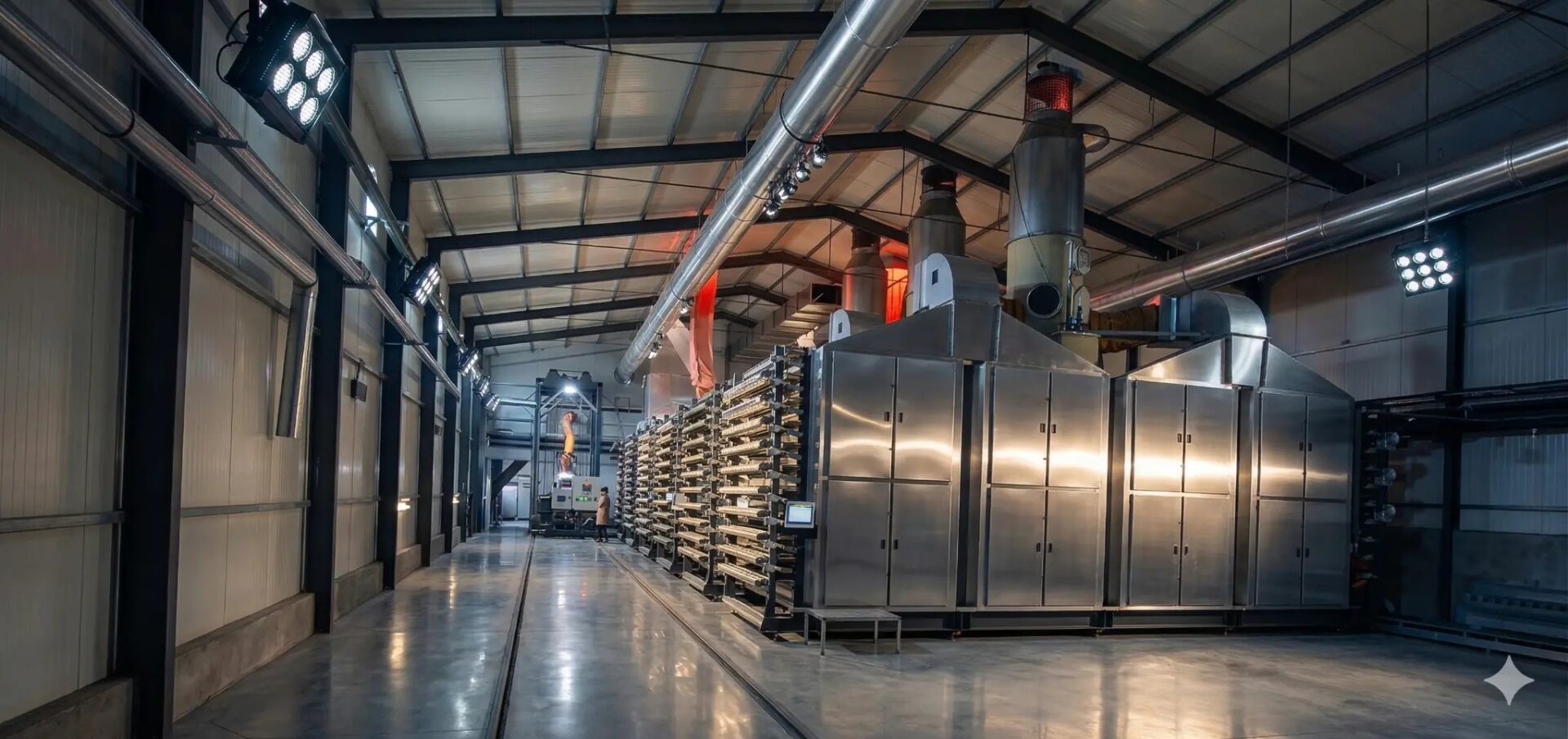
Under this approach, specialized breeders produce juvenile larvae, while waste management operators focus on growing the insects and processing organic waste. Kotch argues that separating these functions reduces operational risk and lowers investment requirements.
The company also sees value in secondary products such as frass, the nutrient-rich residue produced during insect rearing. Large waste management firms have reportedly expressed interest in purchasing frass as fertilizer, creating an additional revenue stream.
Despite the industry's recent setbacks, Kotch remains optimistic about its future. However, he believes success will depend on realistic economics, partnerships with waste operators and production systems designed around local waste streams rather than ambitious protein-market projections.
“A compelling narrative drives capital in, valuations get way ahead of unit economics, and then the scaling reality hits,” he told AgFunderNews.
For Kotch, the next chapter of the industry will not be defined by alternative protein startups chasing premium markets. Instead, it will be shaped by companies that help solve one of the world's growing challenges: managing organic waste efficiently while generating valuable byproducts.