By Agroempresario.com
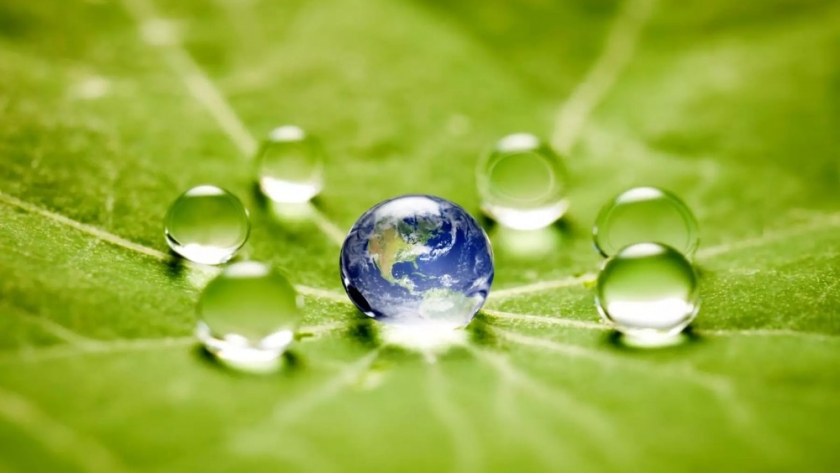
In a world where access to clean water is essential for survival and development, water management has become a crucial issue on the global agenda. With population growth and climate change putting pressure on water resources, the need to address this challenge comprehensively and sustainably has never been more urgent. In this context, the imperative task arises of developing effective water management strategies that ensure its availability for present and future generations.
Water management encompasses a wide range of aspects, from the conservation of natural sources to the equitable and efficient distribution of the resource. One of the main challenges we face is water scarcity, exacerbated by population growth, rapid urbanization, and pollution. In many regions of the world, over-extraction of aquifers and degradation of aquatic ecosystems have led to a worrying decline in freshwater availability.
However, alongside these challenges come opportunities for innovation and change. Sustainable water management involves not only conserving water resources but also promoting practices that minimize waste and maximize efficiency in their use. Technologies such as desalination, advanced wastewater treatment, and rainwater harvesting are opening new possibilities for diversifying water sources and ensuring long-term availability.
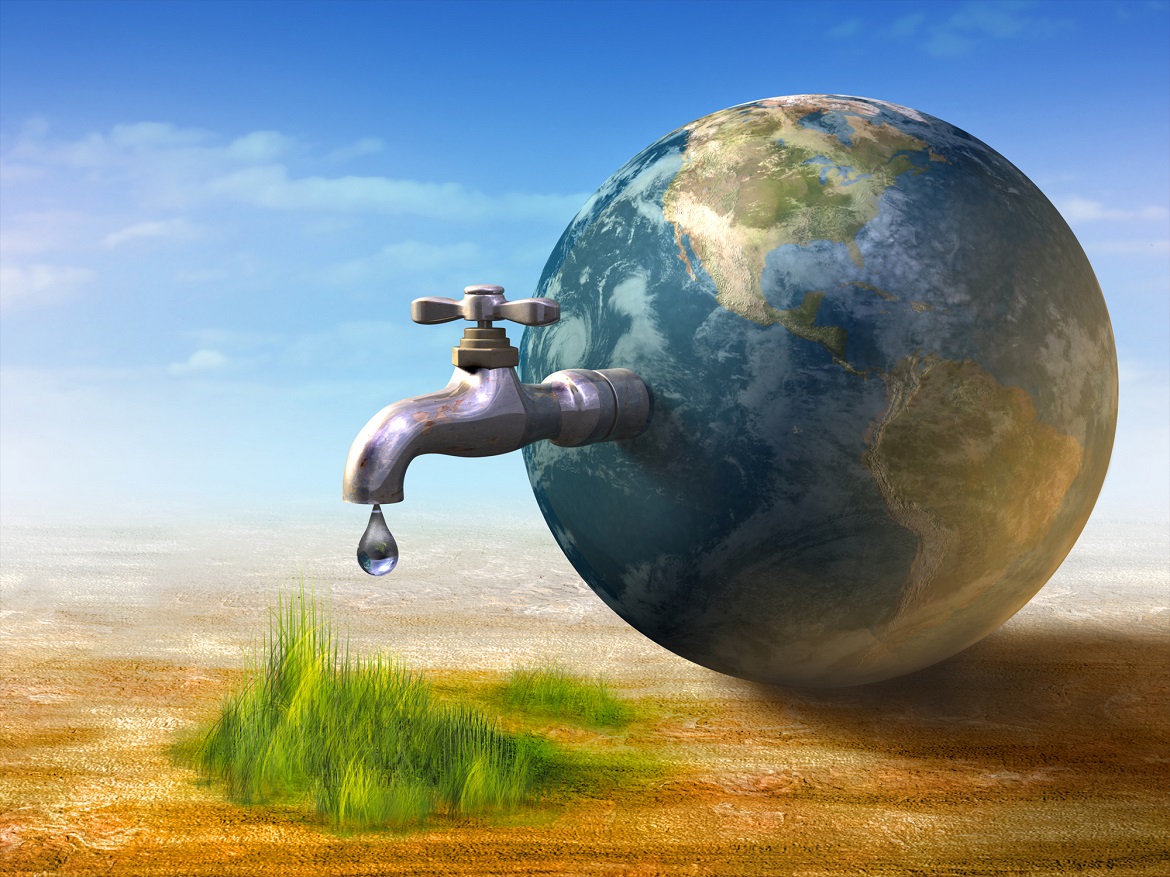
Additionally, it is crucial to address the social and economic dimensions of water management. This includes the active participation of local communities in decision-making, protecting water access rights, and investing in resilient water infrastructure. Integrated watershed management, which considers the various uses of water and their interconnections, is essential for ensuring a holistic and equitable approach to resource management.
In this regard, the United Nations Sustainable Development Goals (SDGs), particularly SDG 6 on clean water and sanitation, provide an important framework for guiding global actions. By promoting collaboration among governments, businesses, civil society organizations, and the international community, the SDGs can catalyze joint efforts towards more sustainable and equitable water management.
In conclusion, water management is a multifaceted challenge that requires innovative and collaborative approaches. By facing this challenge with determination and long-term vision, we can build a future where water is an abundant and accessible resource for all, thereby ensuring the health of ecosystems and human well-being worldwide.