By Agroempresario.com
Ireland is currently entering a “higher risk period” for the transmission of the bluetongue virus (BTV), according to the Department of Agriculture, Food and the Marine (DAFM). The latest update from the national disease control centre highlights the potential spread of the disease through imported infected animals, foetuses, or the wind dispersal of infected midges from mainland Europe.
Transmission and vigilance
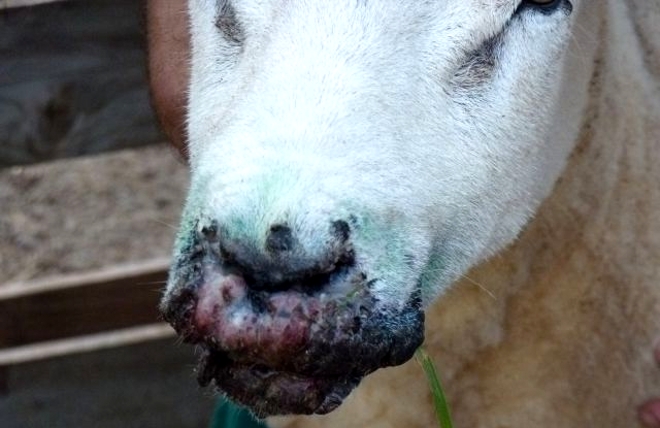
Bluetongue virus, spread by infected biting midges (Culicoides species), is most active between April and November. The virus can also be transmitted via infected germinal products such as semen, ova, and embryos. The DAFM emphasizes the critical need for livestock farmers to stay vigilant for any signs of the disease, particularly as temperatures rise during spring and summer. Livestock owners are urged to report any BTV suspicions to their local Regional Veterinary Office (RVO) without delay.
Current status in Ireland
Ireland is currently free of BTV, a viral disease affecting ruminants and camelids. While bluetongue does not impact human health or food safety, its presence in Ireland could have serious trade implications for live animals and germinal products.
Bluetongue cases in Europe
Since the first BTV-3 vaccine became available in May 2024, Dutch authorities have granted emergency authorization for two additional BTV-3 vaccines for use in the Netherlands. Vaccination efforts, particularly among sheep farmers, have been high, with approximately 95% participation.
In June 2024, two cases of BTV-3 were detected in the Gelderland region of the Netherlands. Since 2023, the total number of confirmed BTV-3 cases in Europe has reached 5,996. BTV-3 remains a concern in northern Europe, while BTV-1, 4, and 8 continue to circulate in the south.
Regional insights
In Great Britain, there is no current evidence of bluetongue virus circulating in midges, and no control zones are in place. England has reported 126 bluetongue cases (119 cattle and seven sheep) across four counties, with no new cases since March.
Belgium confirmed seven BTV-3 outbreaks on farms in Antwerp, and Germany reported 47 cases, the last in February 2024. Although France has not reported BTV-3, two strains of BTV-8 have been confirmed, and existing vaccines are believed to be effective.
Ongoing efforts in Spain and Italy
Spain continues to battle bluetongue despite vaccination and eradication programs. Movement restrictions are in place to limit trade and enhance surveillance in affected areas. BTV-4 has been confirmed in cattle and sheep in northern and central Spain.
In Italy, multiple outbreaks of BTV-3, 4, and 8 have been reported in Sardinia, while Sicily has faced BTV-4 outbreaks. Mainland Italy saw several BTV-4 outbreaks and a single BTV-8 outbreak in December 2023.
/?w=256&q=100)
As Ireland enters this higher risk period, the continued vigilance and proactive measures by livestock farmers and authorities are crucial to preventing the introduction and spread of bluetongue virus within the country.