By Agroempresario.com
The study, titled “Cultivating Resilience: Regenerative Agriculture,” surveyed consumers across 17 European countries to assess their awareness and perceptions of regenerative agriculture.
Despite many consumers recognizing the term, only a small percentage accurately understand what regenerative agriculture entails. The study highlighted that European consumers often confuse regenerative agriculture with organic farming, using the terms interchangeably and believing that local farm-sourced foods are inherently sustainable and regenerative.
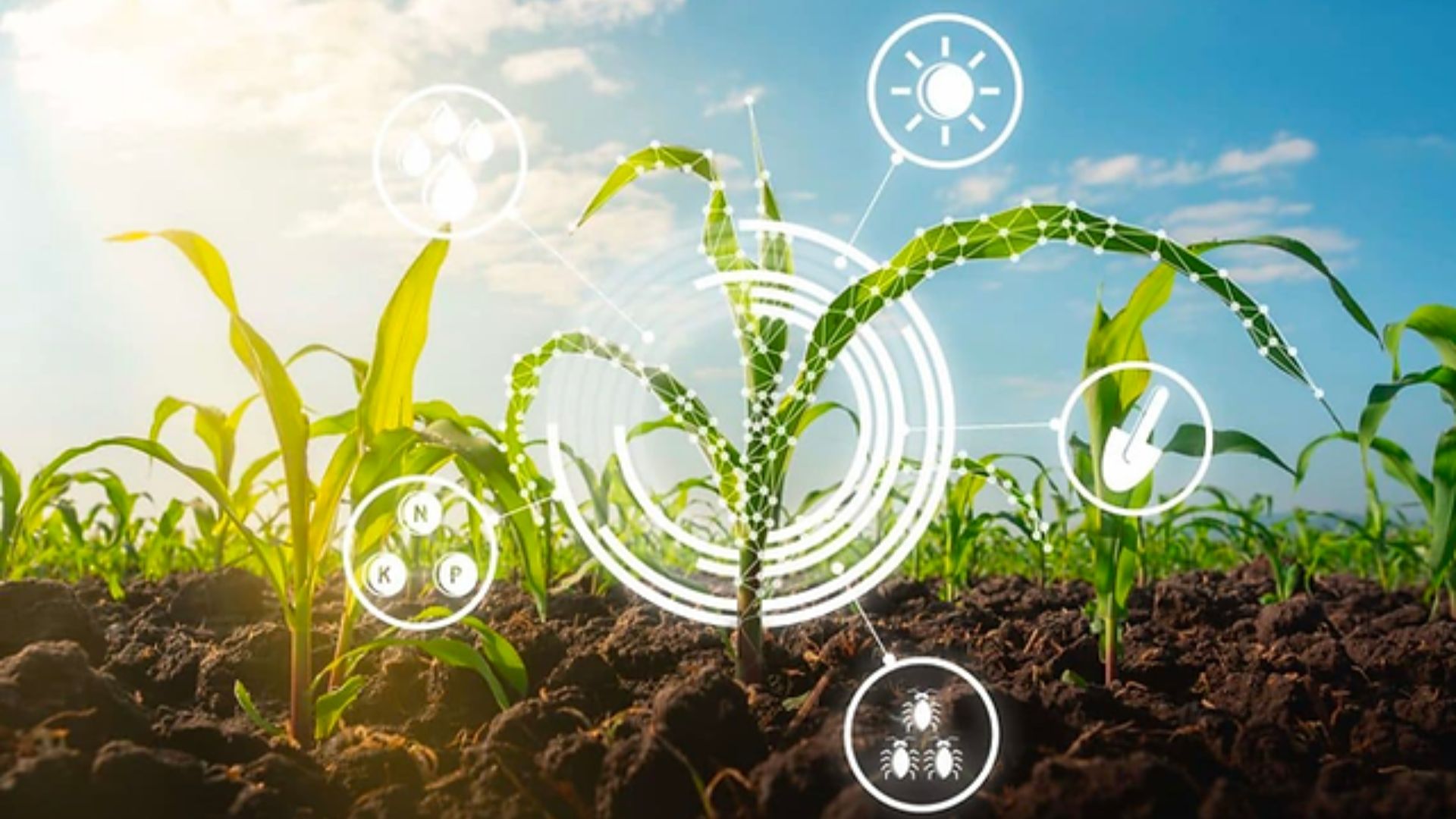
Organic production, as defined by the European Parliament, is a sustainable agricultural system that respects the environment and animal welfare throughout the entire food supply chain. This includes banning chemical inputs and GMOs, restricting antibiotics, and emphasizing crop rotation. Regenerative agriculture shares many traits with organic farming but lacks a standardized definition, making it challenging for consumers to differentiate between the two.
The study pointed out that from the consumers’ perspective, it would be more logical for organic foods to also be considered regenerative due to the difficulty in distinguishing between the practices. One commonly used definition of regenerative agriculture focuses on soil conservation to enhance environmental, social, and economic dimensions of sustainable food production.
While consumers are aware of some benefits of regenerative farming, these benefits overlap with those of organic agriculture, such as healthier food and a positive impact on the environment and animals. The study noted that benefits specific to regenerative agriculture, like improved soil health, do not influence consumer purchasing decisions.

EIT recommends that food companies develop a consumer-centric definition of regenerative agriculture that highlights product-level benefits. This approach should resonate with consumers’ values and concerns, rather than focusing solely on technical aspects and environmental benefits. Emphasizing tangible advantages, such as better taste and enhanced nutritional value, may also justify higher prices for regeneratively produced food, provided these prices do not exceed those of organic products.
The study concluded that most consumers surveyed believe regenerative agriculture can produce healthier and tastier foods. However, more research is needed to align these expectations with reality and to avoid greenwashing practices.

This summary of the study underscores the need for clearer communication and consumer education on the unique benefits of regenerative agriculture.