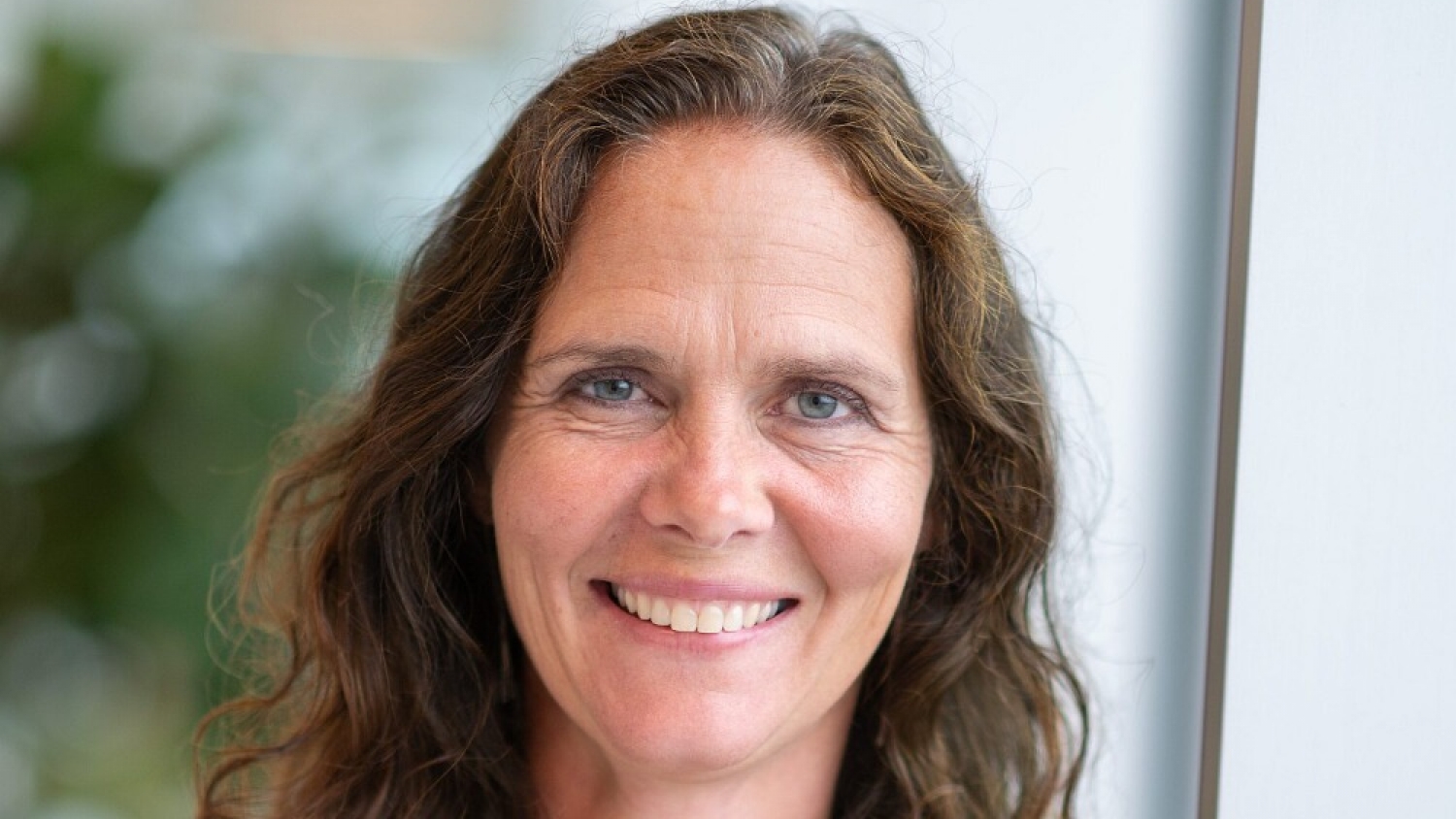
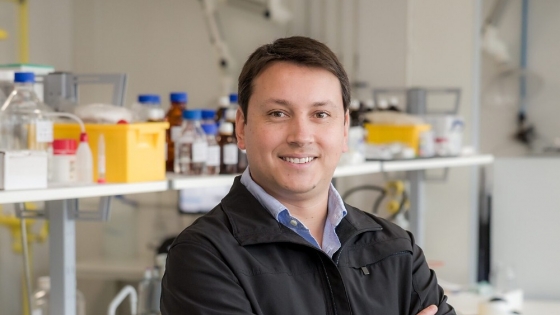
Early-stage biotech and agtech startups in Europe are navigating one of their most difficult funding environments in years, marked by scarce capital, long development timelines and growing frustration between founders and investors, according to Annick Verween, head of Biotope, an early-stage investment platform backed by the Belgian research institute VIB. In an interview published in November 2025 by AgFunderNews, Verween outlined why clearer communication, realistic expectations and diversified funding strategies have become critical as the sector struggles to move past the current downturn.
Verween said that while Europe has set ambitious goals to become a global biomanufacturing leader, the present conditions for startups and funds alike are “horrible,” particularly for companies operating at the intersection of biology, food and agriculture. The relevance of the issue lies in the fact that many of these startups are seen as essential to future food security, sustainability and industrial innovation, yet face structural barriers that traditional venture capital models are ill-equipped to handle.
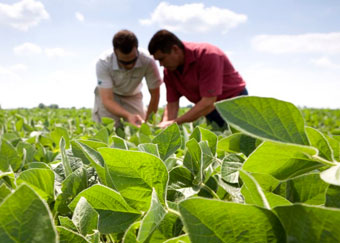
Speaking to AgFunderNews, Verween stressed that biotech does not scale on the same timelines as software or digital businesses. “Biology doesn’t multiply like an Excel sheet,” she said, noting that companies working in agriculture often need multiple growing seasons of data and must contend with regulatory approval processes that can take years. These constraints, she added, make it especially difficult for founders to meet investor expectations during periods of tighter capital.
The funding landscape, according to Verween, may not have reached its lowest point. “I’m a little bit afraid that we haven’t hit rock bottom yet,” she told AgFunderNews, reflecting broader concerns across the European startup ecosystem. Early funding rounds that once took months now often require a year or more to close, even for relatively modest sums, forcing founders to divert time away from product development toward fundraising.
A central theme of Verween’s remarks was the growing misalignment between startups and investors, which she described as a self-perpetuating cycle that ultimately harms young companies. She argued that some investors, unwilling or unable to commit capital, avoid giving definitive answers, leaving founders in prolonged uncertainty. “If a startup does not hear ‘no,’ they think there’s still an opening, which is not always the case,” she said in the interview. Verween added that telling founders to “come back when you have more” is often unhelpful unless investors clearly define what “more” actually means.
According to Verween, this ambiguity is compounded by the dynamics of fundraising on the investor side. Some funds, she explained, feel pressure to demonstrate active deal flow to their own limited partners, even when they are not yet in a position to invest. This can create what she described as an “eternal waterfall” of stakeholders waiting on one another, while startups burn through their remaining cash.
The challenge is particularly acute in biomanufacturing, where proving traction before revenue is inherently difficult. Investors often seek evidence that corporate customers are willing to adopt a product, while startups argue they need capital first to generate that proof. Verween described this as a classic “chicken and egg” problem, noting that traditional markers such as letters of intent (LOIs) frequently provide little real validation.
In the interview, she criticized the overuse of non-binding LOIs, especially those tied to unrealistic production targets. Instead, Biotope has increasingly encouraged joint assessment agreements, under which corporates agree to test a startup’s product and provide feedback. Verween told AgFunderNews that these arrangements offer far more meaningful signals than generic commitments and allow startups to refine their technology in line with real market needs.
Despite the difficult environment, Verween identified several encouraging trends. She pointed to the growing involvement of family offices, which tend to offer more patient capital than traditional venture funds, and to a shift among corporate venture capital (CVC) arms toward greater transparency around performance metrics. Corporates, she said, can play a crucial role by clearly stating what they are willing to pay for and what technical benchmarks matter most.
Biotope itself was created to address gaps in early-stage biotech support. Originating from VIB, which Verween compared to Wageningen University in its importance to food and agricultural research, Biotope initially operated as an incubator before expanding into direct investment. The fund focuses on biotech startups linked to planetary health across Europe, the Middle East and Africa, excluding the US and Canada. It invests small amounts in around five companies per year and recently announced the first close of its second fund.
A key principle Biotope enforces with its portfolio companies is the early construction of a capital stack. Verween told AgFunderNews that relying solely on grants or exclusively on venture capital is no longer viable. Instead, startups are encouraged to combine grants, equity and, where possible, debt financing to extend their runway and reduce dependency on any single source of capital. She expressed hope that the proposed European Biotech Act could help unlock more early-stage funding by placing greater emphasis on biotechnology and biomanufacturing.
Verween also noted that access to contract manufacturing organizations (CMOs) has improved significantly compared to several years ago, when capacity was scarce and prohibitively expensive for startups. This shift, she said, has removed at least one operational bottleneck for young companies seeking to scale.
When evaluating founders, Verween emphasized execution over pure scientific excellence. “You need a get-things-done attitude,” she said, explaining that strong science alone is insufficient without leaders capable of driving short-term operational progress while maintaining a long-term vision. Similarly, she warned against pitch decks that rely on vague claims, inflated market sizes or the absence of credible competitors, which she views as red flags rather than strengths.
As Europe continues to promote itself as a future hub for biomanufacturing, Verween’s assessment underscores a disconnect between policy ambition and on-the-ground realities. The sector’s long-term potential remains significant, but, as she made clear to AgFunderNews, bridging the gap will require more honest communication, better-aligned incentives and funding models that recognize the unique demands of biology-driven innovation.