A new human clinical study has found that two standardized botanical extracts significantly increased levels of the satiety hormone GLP-1, reduced caloric intake, and promoted weight loss in overweight and obese adults, positioning plant-based compounds as emerging players in the rapidly expanding metabolic health market.
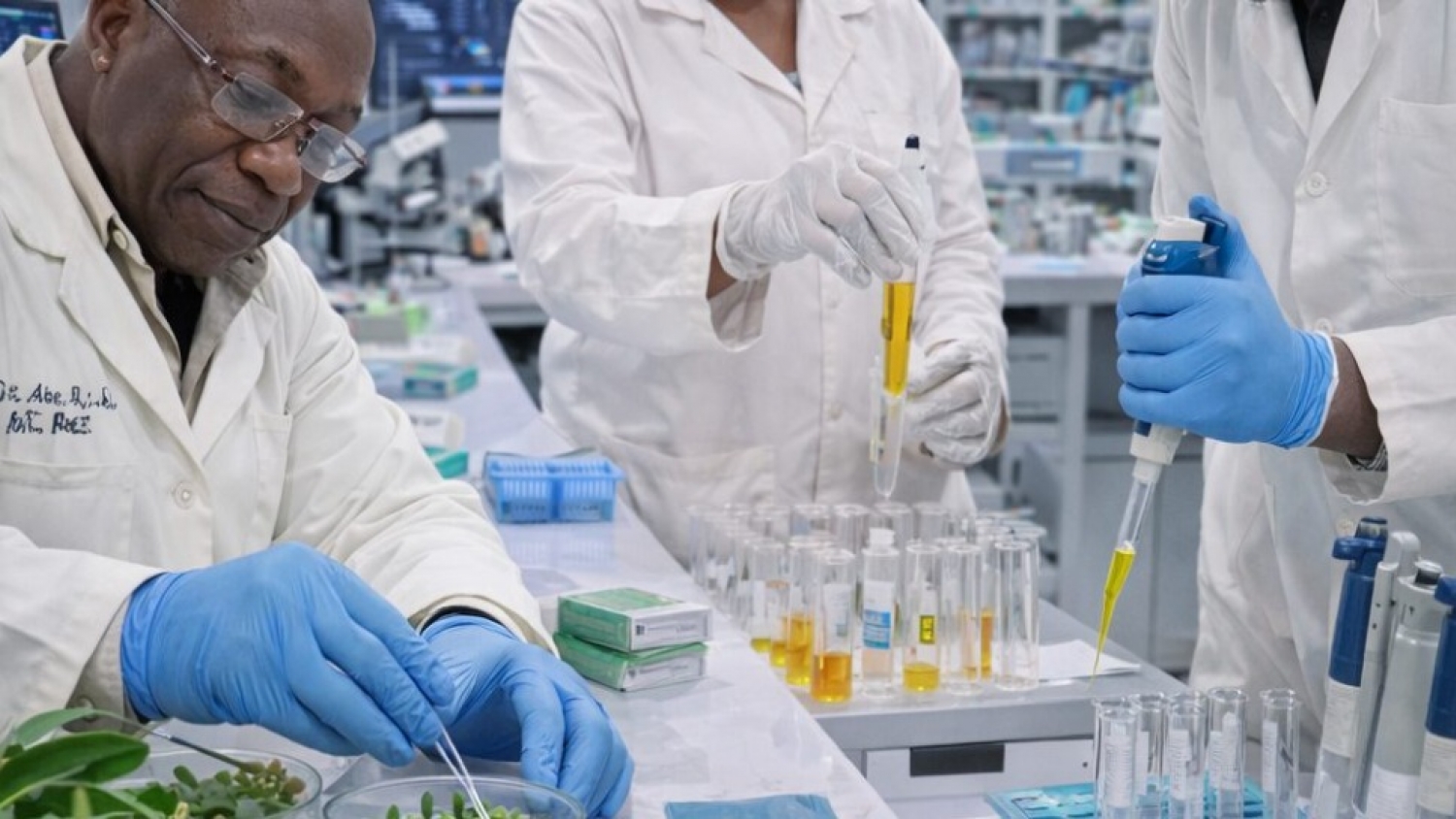
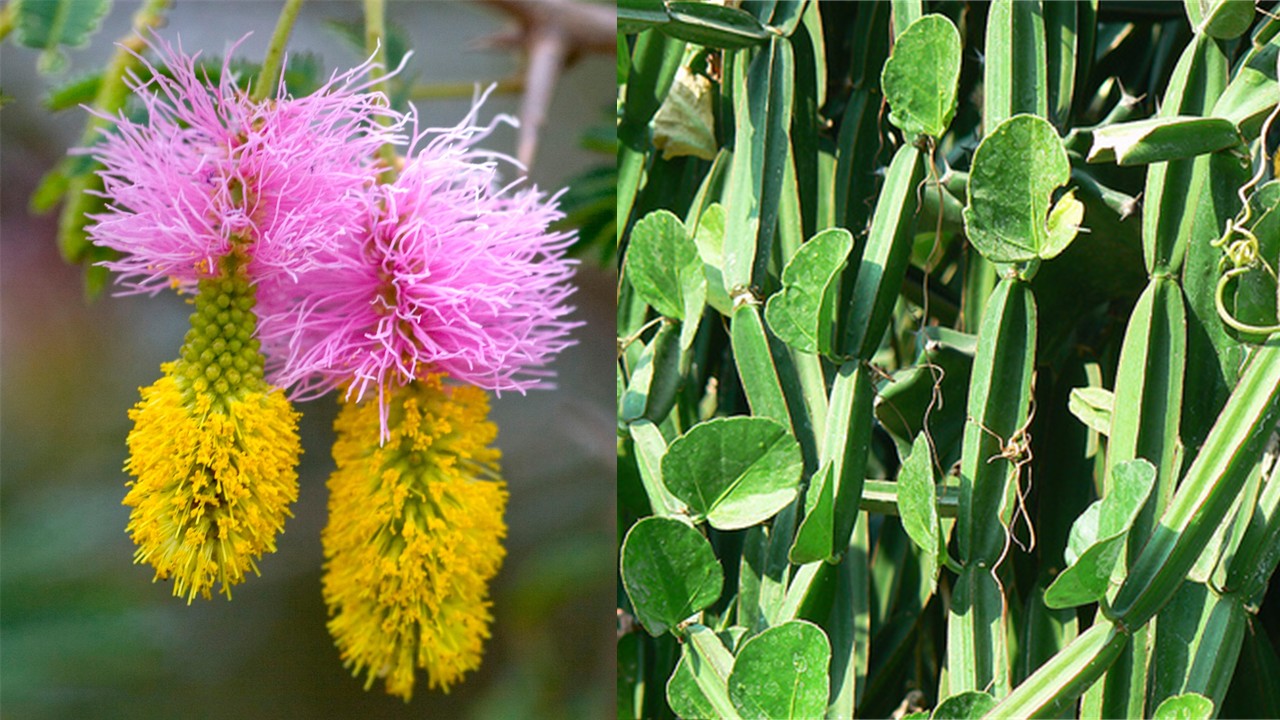
The research, conducted over 16 weeks with 248 adult participants and led by Dr. Julius Enyong Oben, professor of Nutritional Biochemistry at the University of Yaoundé, evaluated the effects of two botanicals: Dyglomera, derived from the African spice fruit Dichrostachys glomerata, and CQR-300, extracted from the succulent Cissus quadrangularis. Participants were randomly assigned to receive one of the two botanical supplements, oral semaglutide, or a placebo.
The findings showed that both botanical groups experienced significant increases in circulating GLP-1 levels, reductions in the activity of the enzyme DPP-4 (which rapidly degrades GLP-1 in the body), and meaningful improvements in weight, body fat, appetite control, and metabolic markers.
A growing need for alternatives
The results arrive at a time when medications targeting GLP-1 receptors — such as semaglutide-based drugs — are reshaping the global weight management market. However, limited access, high costs, side effects, and supply constraints have left many consumers searching for alternatives.
This demand has fueled rapid growth in products claiming to support GLP-1 activity, from microbiome-based solutions to fiber blends and bioactive peptides. Yet, despite the marketing momentum, few non-pharmaceutical products are supported by robust human clinical evidence.
That is what makes this study stand out: it directly measured changes in GLP-1 levels and DPP-4 activity in humans, rather than relying on indirect markers or animal models.
How the study was designed
The double-blind, placebo-controlled study, published in the peer-reviewed journal Medicina, enrolled adults with a body mass index (BMI) between 25 and 34.9. Participants were divided into four groups:
- One group received 400 mg of Dyglomera daily
- Another received 300 mg of CQR-300 daily
- A third group received oral semaglutide
- A fourth group received a placebo
Each participant consumed one capsule per day, taken with water 30 minutes before breakfast. Researchers tracked changes in GLP-1 levels, DPP-4 enzyme activity, body weight, body fat, caloric intake, satiety response, fasting glucose, lipid profiles, and inflammatory markers.
By the end of the 16-week period, both botanical groups demonstrated results that were substantially stronger than placebo and, in some measures, approached those of the pharmaceutical comparator.
Key findings
Participants consuming the botanical extracts experienced:
- Increased GLP-1 levels three hours after meals
- Dyglomera: +38.6 pg/mL
- CQR-300: +42.2 pg/mL
- Semaglutide: +46.8 pg/mL
- Placebo: +4.7 pg/mL
- Reduced DPP-4 enzyme activity over 16 weeks
- Dyglomera: −15.3%
- CQR-300: −17.8%
- Semaglutide: −23.5%
- Placebo: −2.9%
- Average weight loss after 16 weeks
- Dyglomera: −4.3 kg
- CQR-300: −4.7 kg
- Semaglutide: −4.8 kg
- Placebo: −0.7 kg
- Reduction in daily caloric intake
- Dyglomera: −470 kcal/day
- CQR-300: −514 kcal/day
- Placebo: −92 kcal/day
Researchers also observed improvements in satiety, fasting glucose levels, body composition, and markers linked to metabolic health.
Understanding the mechanism
GLP-1 is a naturally occurring hormone that plays a central role in regulating hunger, satiety, and blood sugar. One of the key challenges is that GLP-1 is quickly broken down by the enzyme DPP-4, limiting its effectiveness.
Pharmaceutical GLP-1 receptor agonists overcome this limitation by mimicking GLP-1 and resisting degradation. In contrast, these botanical extracts appear to work through a dual mechanism: inhibiting DPP-4 activity while also influencing broader metabolic pathways linked to appetite regulation.
According to the researchers, the extracts may also affect other biological processes, including adipose tissue metabolism, lipid oxidation, and anti-inflammatory pathways, which could further contribute to their observed benefits.
Important limitations
The authors of the study caution that the trial was not designed to directly compare the botanicals with semaglutide in terms of pharmacological equivalence. The pharmaceutical was used as a positive control to validate the biological mechanisms, not to establish superiority or parity.
They also noted that the long-term sustainability of the effects beyond 16 weeks remains unclear and will require additional research.
Even so, experts consider the results notable in a landscape where many “natural GLP-1 boosters” reach the market without comparable levels of scientific validation.
Implications for the nutrition and supplement market
Beyond clinical outcomes, the study could influence how botanical ingredients are positioned within the functional nutrition sector. Both extracts have been evaluated for stability in formats beyond capsules, including powders and liquid formulations, opening the door to applications such as sachets, drinkable shots, and functional blends.
Consumer behavior is also shifting. Many individuals are experiencing what industry analysts call “pill fatigue,” driving interest toward more convenient formats and integrated nutrition solutions.
At the same time, regulatory caution remains critical. Claims around weight loss and GLP-1 must be carefully framed to avoid crossing into pharmaceutical territory. While some brands have begun referencing “supporting healthy GLP-1 activity,” regulators have yet to issue comprehensive guidance on how such claims should be used in food and supplement marketing.
A market still in early evolution
What this study ultimately highlights is that the intersection between botanicals, metabolic health, and GLP-1 science is still in its early stages. As pharmaceutical treatments continue to dominate headlines, scientifically validated nutritional solutions may carve out a parallel space — particularly for consumers seeking accessible, lower-cost, or non-pharmaceutical options.
Further large-scale and long-term studies will be needed to confirm durability of effects, optimal dosing, and potential synergies between compounds. But for now, the research provides one of the clearest signals yet that botanicals are beginning to earn a credible place in the GLP-1 conversation.