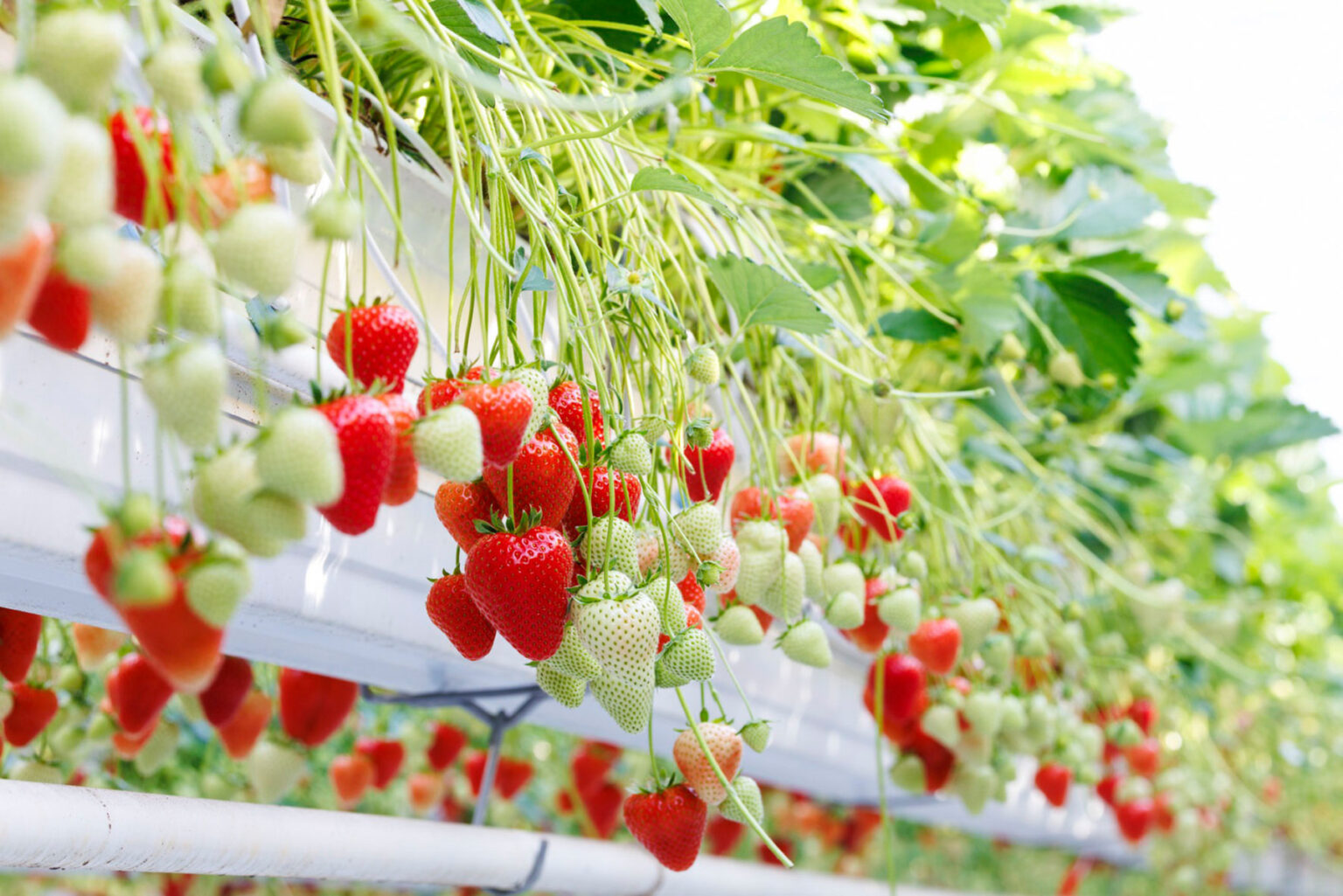
Bayer has introduced Baya Solara, a new strawberry variety aimed at addressing the growing demand for strawberries in Europe, the company announced on January 28, 2026. The launch follows Bayer’s acquisition of strawberry breeding assets from the UK’s National Institute of Agricultural Botany (NIAB) in 2023 and marks the start of a broader strategy in the strawberry market. According to AgFunderNews, the variety is expected to provide European growers with a resilient, high-yield crop while offering retailers and consumers a longer-lasting fruit.
Baya Solara’s Features and Benefits
Swanny Chouteau, portfolio lead for Europe, the Middle East, and Africa at Bayer’s Crop Science division, explained that Baya Solara is a June-bearer, producing a single, abundant harvest per season, mainly for northern European countries. The variety has been developed with strong resistance to Phytophthora cactorum, a soil-borne disease that causes crown and root rot in strawberries.
“Especially in northern Europe, the pressure on growers is getting higher because there aren’t many plant protection products available due to stricter regulations,” Chouteau told AgFunderNews. “Growers desperately need a variety that is resilient to Phytophthora.”
The strawberry is also high-yielding and easy to harvest, helping growers manage rising labor costs and workforce shortages. For retailers and consumers, Baya Solara offers a long shelf life and consistent taste, making it ideal for supply chains that require fresh fruit over extended periods.
Development Timeline and Strategy
Creating a new strawberry variety requires long-term planning. Chouteau emphasized that Baya Solara took multiple years to develop. “It takes between five to ten years to create a variety, depending on the plant. We need to anticipate market needs, economic pressures, and climate conditions several years in advance,” she explained.
Bayer’s breeding process involves testing plants under different conditions to ensure uniform growth and adaptability. Clear guidelines are established each year to evaluate traits and set thresholds before advancing a variety toward commercialization.
While some agricultural processes are accelerating through technology, strawberry breeding remains largely nature-dependent. “Being faster would be difficult because we need to validate traits and quality across multiple seasons,” Chouteau said. “Growers invest heavily and do not want something risky.”
Adapting to Climate Challenges
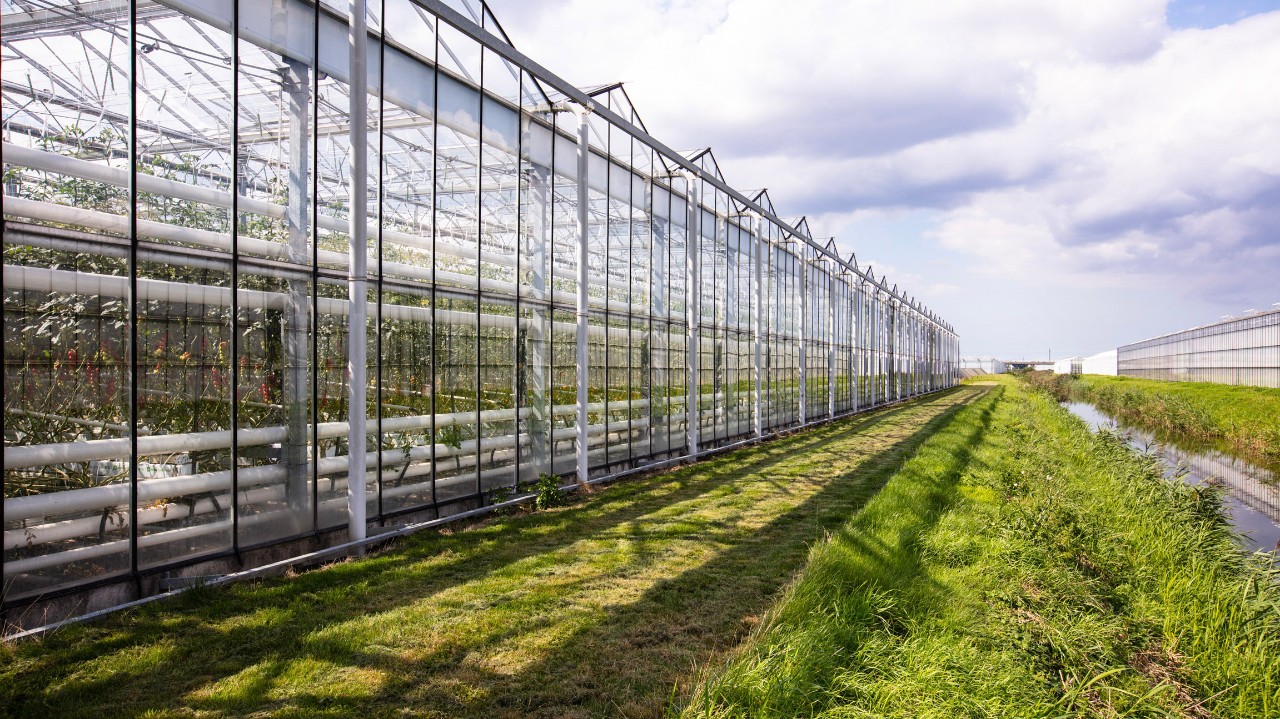
Climate change is increasing the need for flexible strawberry varieties. Bayer is focusing on both greenhouse and open-field cultivation to provide growers with adaptable solutions. Controlled environments like glasshouses allow companies to manage climate variables effectively, ensuring consistent yields despite changing weather conditions.
Expanding Market Presence
Strawberries are among the fastest-growing crops in the food sector, with demand currently outpacing supply. Bayer sees opportunities to expand its portfolio beyond northern Europe, including markets in the Americas and Australia. Chouteau noted that Bayer is also working on everbearing strawberries, which produce smaller but multiple harvests per season—a segment experiencing rapid growth.
“Our science allows us to bring meaningful solutions to this dynamic market. Baya Solara is just the start,” Chouteau said. By combining disease resistance, ease of harvest, and longer shelf life, Bayer aims to offer a complete solution for growers, retailers, and consumers alike.