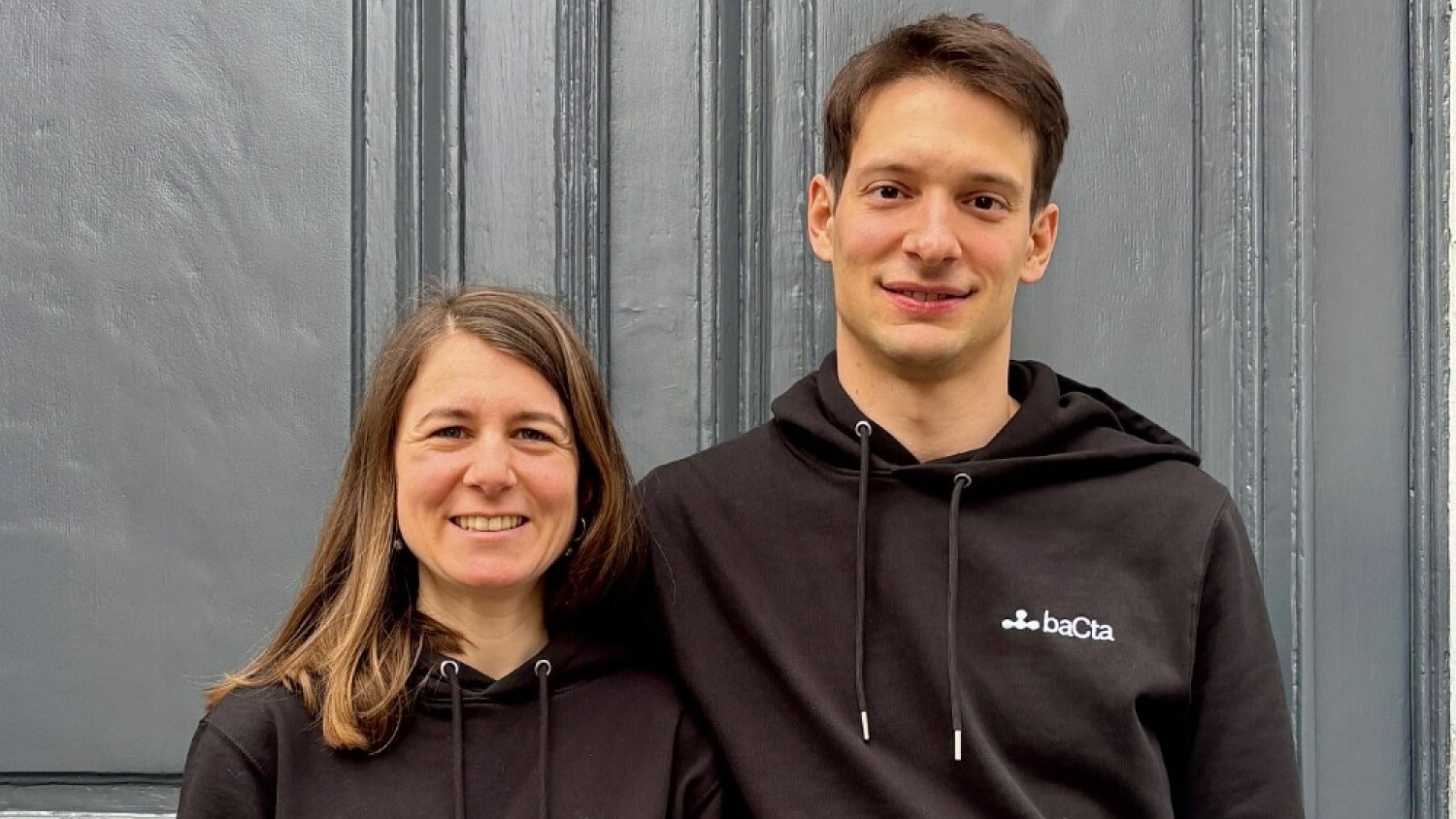
French biotechnology startup baCta has raised €7 million in seed funding to scale the production of astaxanthin, a high-value antioxidant used in supplements, cosmetics and aquaculture, through a fermentation-based process using engineered yeast. The company, founded in Paris in 2024, aims to make the ingredient more accessible and cost-competitive compared with synthetic and algae-based alternatives. The funding round was led by LocalGlobe and Daphni, with participation from OVNI Capital and several technology entrepreneurs, according to AgFunderNews.
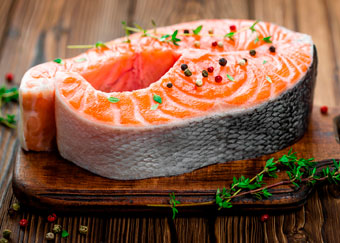
Astaxanthin is a naturally occurring pigment found in microalgae, responsible for the characteristic pink color of marine species such as shrimp and salmon. While widely used in aquaculture, the compound is also gaining attention in the nutraceutical and cosmetics sectors due to its antioxidant properties and potential health benefits.
Most of the global supply is currently produced through petrochemical synthesis, while “natural” versions are typically obtained by cultivating microalgae such as Haematococcus pluvialis in open ponds or photobioreactors. Companies including Cyanotech, Parry and AstaReal operate these algae-based production systems.
baCta proposes a different approach. The startup produces astaxanthin in fermentation tanks using optimized yeast strains, developed through robotics and artificial intelligence to accelerate strain engineering and improve yields.
The company’s platform combines biological data analysis and generative AI to rapidly design and test new microbial strains. This system allows researchers to identify genetic pathways that increase productivity and efficiency in industrial fermentation.
“baCta represents the convergence of deep biological data and Generative AI. Mathieu and his team have built an engine that doesn’t just promise scientific breakthroughs but delivers industrial viability,” said Remus Brett, general partner at LocalGlobe.
The startup is initially targeting the cosmetics and nutraceutical markets, where natural astaxanthin commands higher prices due to its biochemical profile and perceived health benefits.
“Astaxanthin is an amazing ingredient, with vast longevity benefits, but it hasn’t had its ‘collagen moment’ yet. We want to make it more accessible and abundant,” baCta cofounder Mathieu Nohet told AgFunderNews.
Fermentation versus algae production
According to the company, producing astaxanthin through yeast fermentation can offer efficiency advantages compared with microalgae cultivation.
Yeast grows significantly faster and can reach higher densities inside bioreactors than algae grown in ponds or photobioreactors. This higher biomass concentration can help reduce production costs.
“For perspective, algae biomass is usually below 5g/L in photobioreactors, whereas yeast can reach more than 100g/L. This means lower costs, even at equivalent productivity per cell,” Nohet explained.
Fermentation systems also reduce contamination risks and require less physical space than large-scale algae ponds.
The company said it has developed a proprietary downstream processing system that lowers costs and avoids the use of supercritical CO₂ extraction, a process commonly used in algae-based astaxanthin production and considered energy-intensive.
“Our product has a pleasant, neutral smell and taste, and we already have a strain competitive with algae-based astaxanthin,” Nohet said.
The goal, according to the founder, is to reach cost levels similar to synthetic production methods. “We are aiming for costs comparable with synthetic and chemistry-based processes based on high efficiency of the strain and a proprietary DSP that enables us to decrease costs.”
baCta also plans to rely on existing fermentation infrastructure rather than building its own industrial facilities in the early stages. This strategy allows the company to reduce capital expenditures while validating the technology at scale.
Competition and differentiation
A small number of companies have already explored yeast fermentation to produce astaxanthin, including NextFerm Technologies in Israel and LCY in China. However, baCta believes its technology can deliver higher efficiency and lower production costs.
“We produce a very similar product; differentiation will depend on cost, our ability to secure the best possible production strain, and our proprietary DSP,” Nohet said.
One difference lies in the chemical form of the compound. Yeast-derived astaxanthin is produced as a free molecule, while algae-derived versions are typically esterified, meaning they are bound to fatty acids.
“Yeast-derived astaxanthin is free, unlike the esterified algae form... Apart from that, they are the same isomer (3S,3′S) and offer similar benefits. This makes our astaxanthin more bio-available than algae-derived astaxanthin, increasing its potential benefits,” Nohet explained.
Regulatory path and industrial scale-up
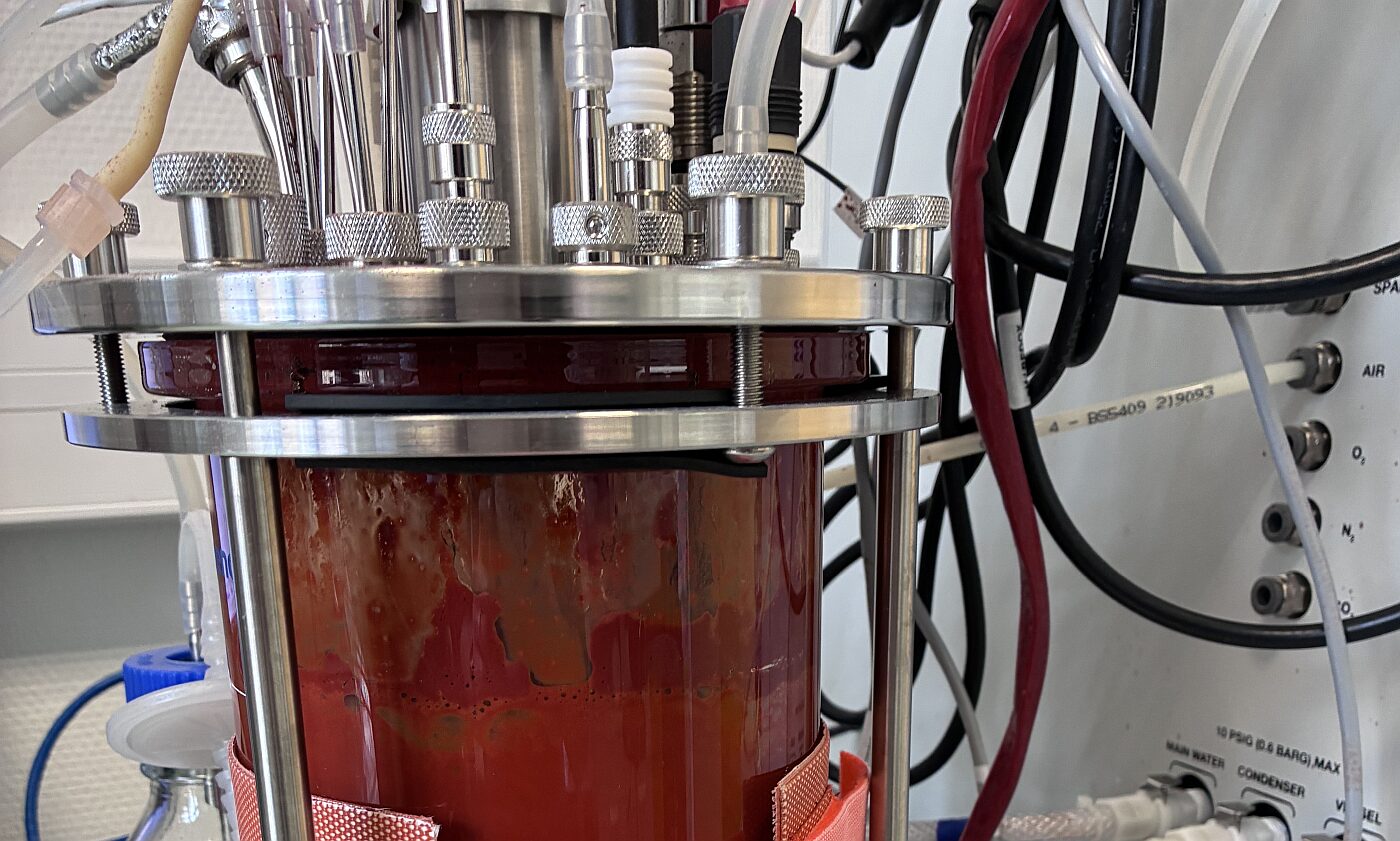
The company is currently testing its technology at laboratory scale and running liter-scale fermentations to optimize growth conditions and production processes.
The next step involves scaling up production through collaboration with an industrial partner in France that has fermentation expertise.
“We are in advanced discussions with an industrial partner in France that has fermentation expertise to use their scale-up and production facility; we’ll announce it officially in the next few weeks,” Nohet said.
To enter global markets, baCta plans to pursue regulatory approval through the GRAS process in the United States and the novel food framework in the European Union.
According to the company, the final ingredient will comply with non-GMO regulations in both jurisdictions, even though engineered yeast strains are used during the production process.
The startup also plans to expand its platform to produce other high-value industrial ingredients once its astaxanthin process is validated at commercial scale.
Investors see the technology as part of a broader shift toward biomanufacturing, where microorganisms act as biological factories capable of replacing petrochemical supply chains.
“baCta’s platform approach offers a scalable, economically viable path to replace dirty supply chains with biological factories,” said Pierre-Yves Meerschman, managing partner at Daphni.