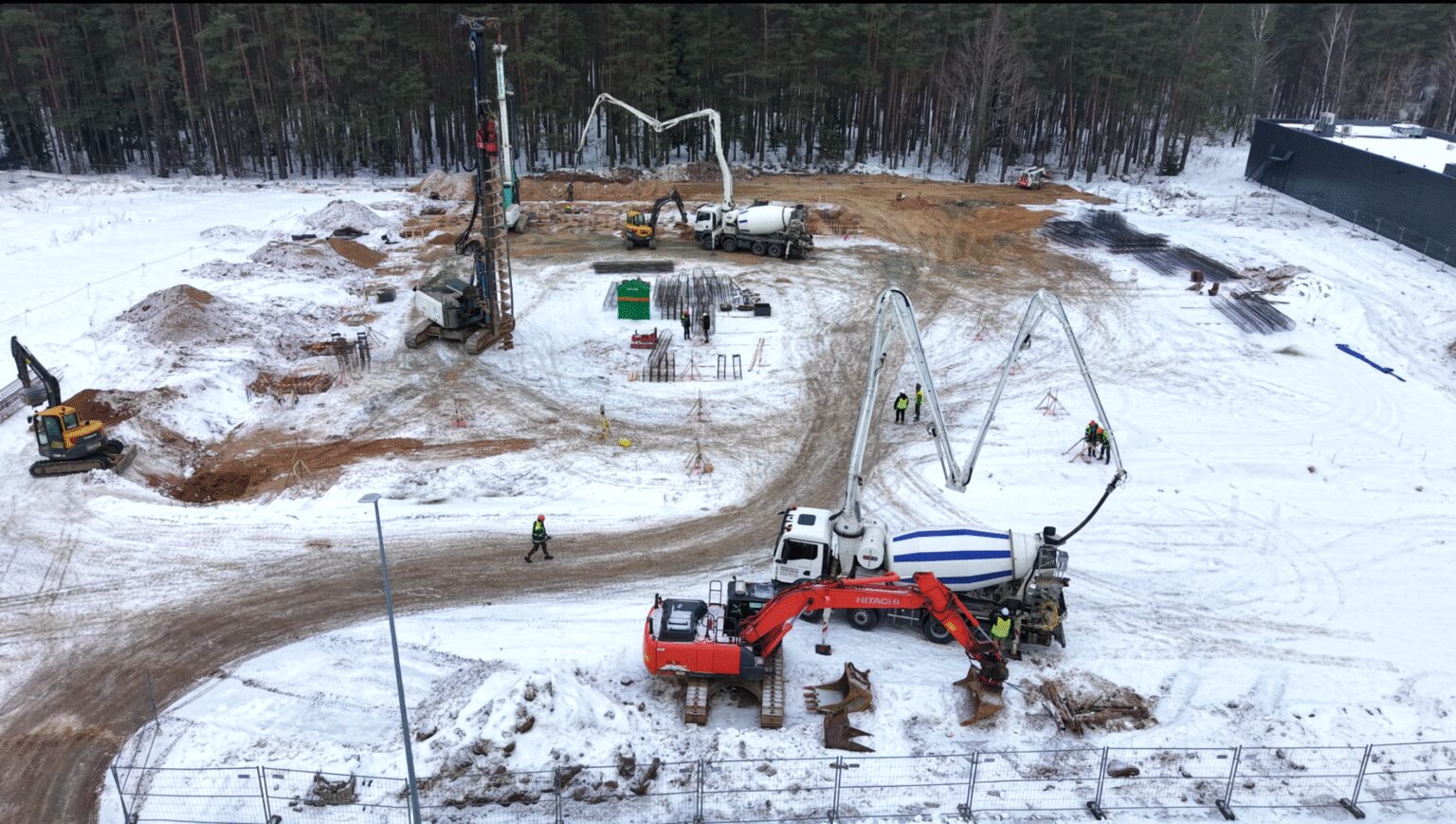
Pentasweet has begun construction of a $76 million precision fermentation facility in Vilnius to produce brazzein, a natural sweet protein up to 2,000 times sweeter than sugar, aiming to scale production by 2027 and expand alternatives in the global sweetener market.
According to AgFunderNews, the project will be developed in two phases. The first stage is expected to be completed in early 2027, establishing initial production capacity, while a second phase will expand output to industrial scale, reaching the equivalent of 50,000 tons of sugar.
The facility will become the first production hub for brazzein in Europe, marking a significant step in a market currently dominated by sweeteners such as stevia and monk fruit. However, supply limitations and cost challenges in those segments have opened the door to new technologies like precision fermentation.

Brazzein is naturally found in small quantities in the fruit of the oubli plant, but extracting it directly is not economically viable. As a result, companies including Oobli, Perfect Day, Sweegen, and Microfarmtory are developing scalable production methods using precision fermentation, typically with genetically engineered microorganisms.
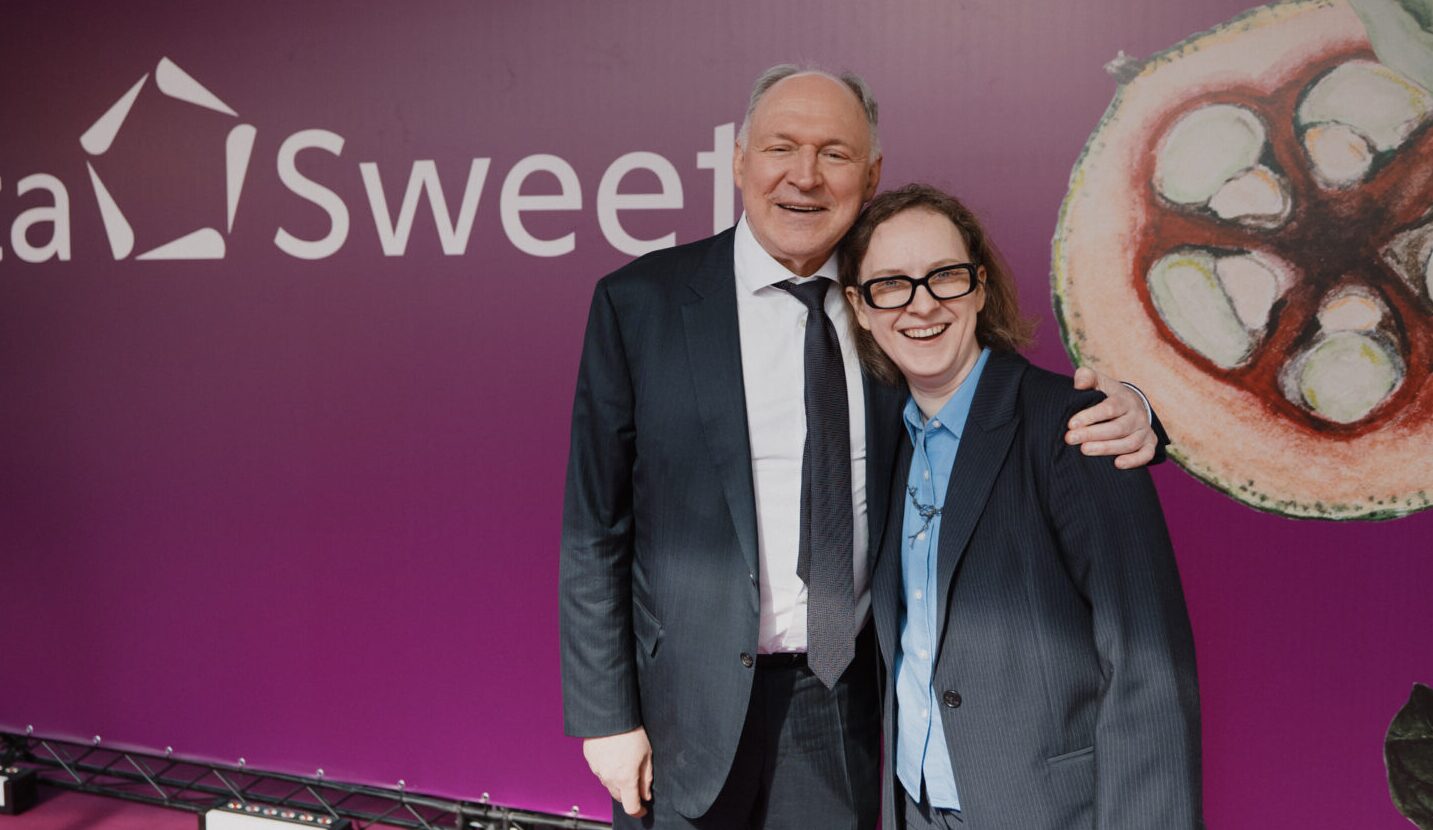
Pentasweet cofounder Danas Tvarijonavicius explained that the company is initially focused on the European market and plans to submit a Novel Food application to the European Food Safety Authority. “The US is certainly in the plans, but at later stages. We have a very efficient process for a very high quality/high-purity product,” he said.
One of brazzein’s main advantages is its functional stability. The protein remains stable under heat and varying pH conditions, making it suitable for a wide range of applications, including dairy, bakery, and confectionery products. It can be used both as a sugar replacement or sugar reduction tool, enabling formulations with added protein or fiber.
The sweetener also features a clean taste profile, a key factor in consumer acceptance. While some high-intensity sweeteners have aftertaste challenges, Tvarijonavicius noted that existing formulation strategies can mitigate these effects.
Another differentiator is its metabolic impact. As a protein, brazzein does not spike blood glucose levels and does not negatively affect gut microbiota, positioning it as a promising alternative in the growing market for healthier sweeteners.
The project is currently financed through a loan from the Lithuanian National Development Bank ILTE, covering both demonstration and industrial expansion stages. The company, founded in 2023, has so far been funded by its founders.
The broader competitive landscape is evolving rapidly. Companies such as Oobli are already producing at scale using large fermentation tanks, while Microfarmtory is expanding its capacity from 30 to 200 metric tons of brazzein over the next two years, signaling increasing industrial momentum.
Beyond sweetener production, Pentasweet also plans to optimize resource efficiency, using fermentation byproducts for energy generation, including biofuels.
With rising demand for sugar alternatives and pressure to reduce calories in processed foods, precision fermentation and sweet proteins like brazzein are emerging as a new frontier in food technology, with Pentasweet positioning itself as a key European player.