US lawmakers, farmers, fertilizer executives and agricultural experts warned during a Senate Agriculture Committee hearing that rising fertilizer prices are pushing American farms toward a financial breaking point. The hearing focused on how global conflicts, industry concentration and supply disruptions are increasing costs for producers across the country, according to AgFunderNews.
Farmers testified that the crisis goes beyond the recent conflict in the Middle East. They argued that years of consolidation inside the fertilizer industry reduced competition and increased the market power of a small number of dominant companies.
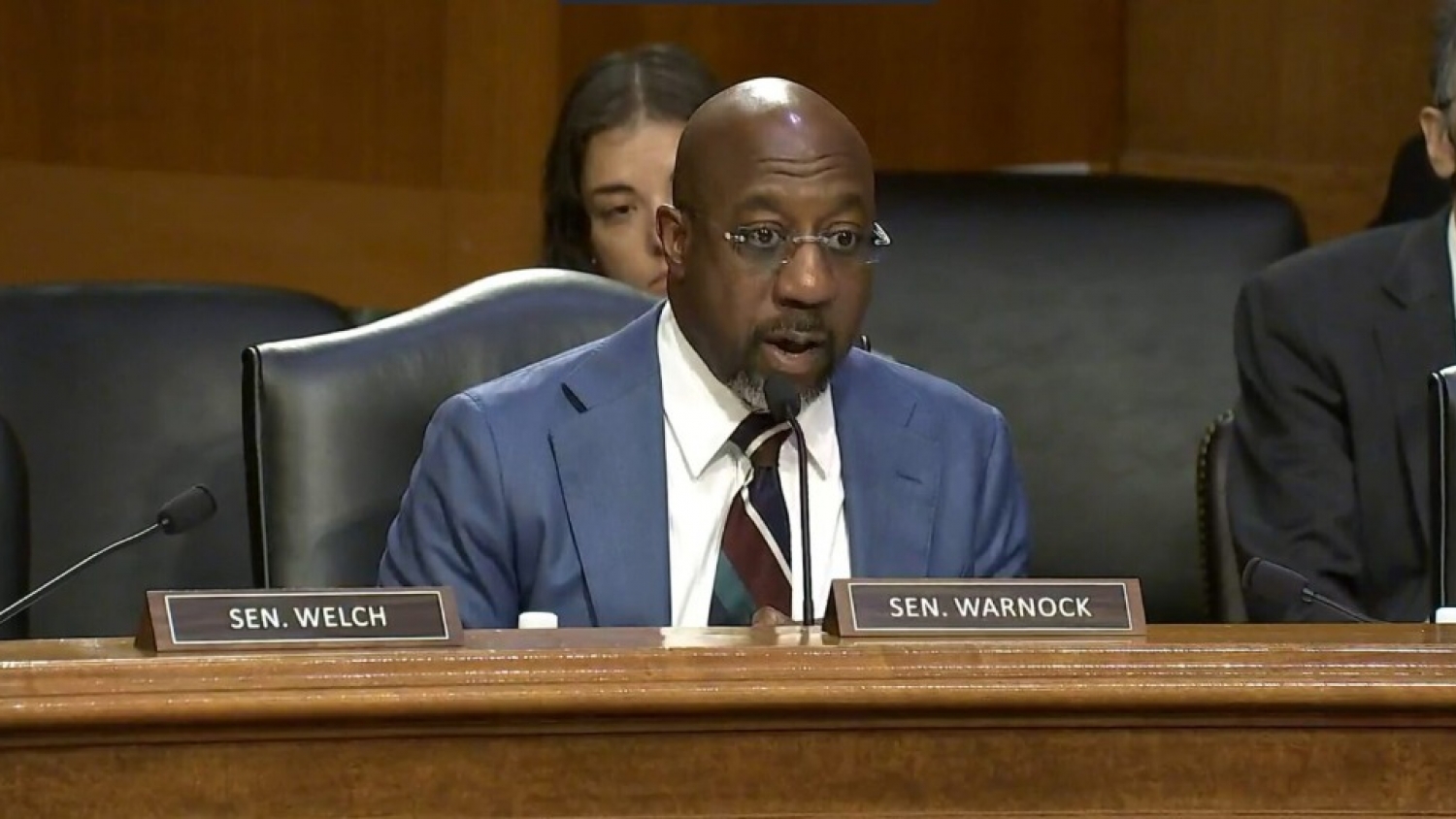
Senator Raphael Warnock said producers are under growing pressure from multiple fronts. “Fertilizer prices are increasing. Diesel costs have increased by over $2 a gallon compared to this time last year and there’s no end in sight,” he stated during the hearing.
Warnock also linked the crisis to geopolitical instability and shipping disruptions in the Strait of Hormuz. “At this point, the best-case scenario for farmers is the reopening of the Straight of Hormuz, which was open before the war started,” he said.
According to testimony presented before the Senate Agriculture, Nutrition & Forestry Committee, several fertilizer markets in the United States are highly concentrated.
For nitrogen fertilizer, companies including CF Industries, Nutrien, Koch and Yara US reportedly control around 75% of the US market. In phosphate fertilizer, Mosaic dominates between 70% and 80% of the domestic market. In potash, Nutrien and Mosaic together control nearly the entire US supply.
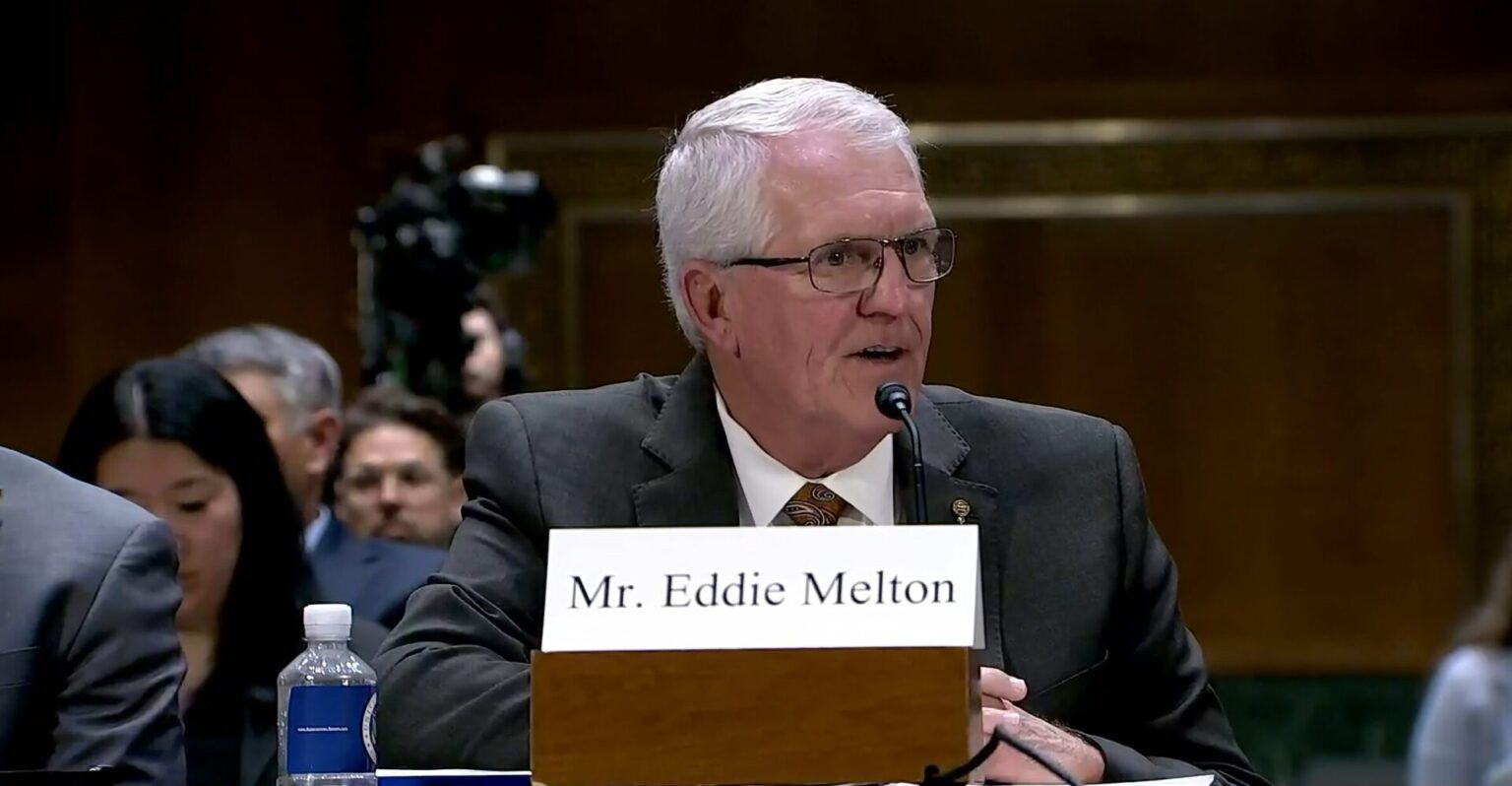
Trent Kubik, president of the South Dakota Corn Growers Association, warned that excessive concentration allows major firms to influence prices and supply. “Simply put, farmers need more competition in this marketplace,” he told lawmakers.
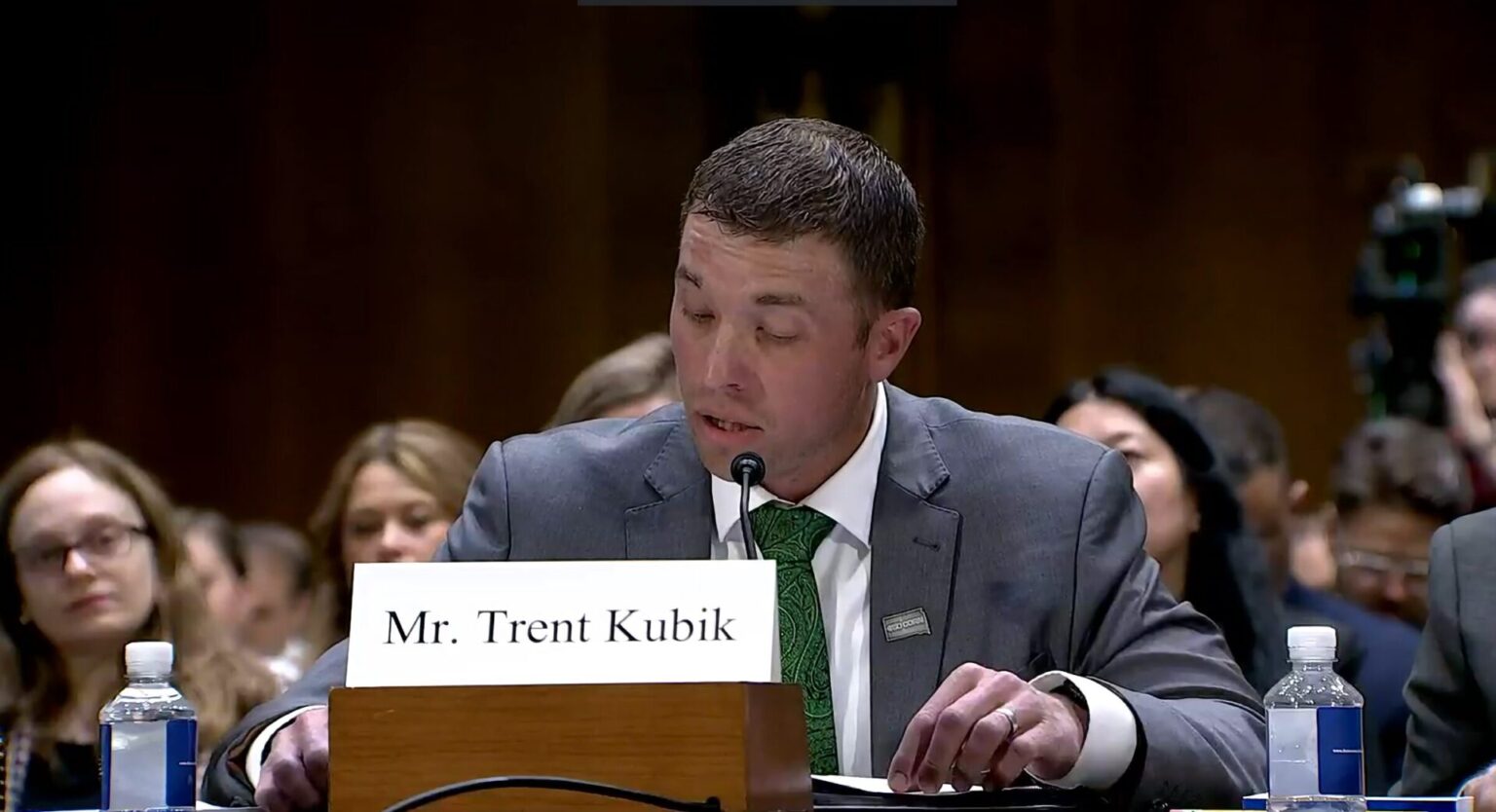
Kubik described cases where fertilizer contracts were canceled and later reoffered at significantly higher prices. He argued that farmers are losing financial stability because of practices enabled by limited market competition.
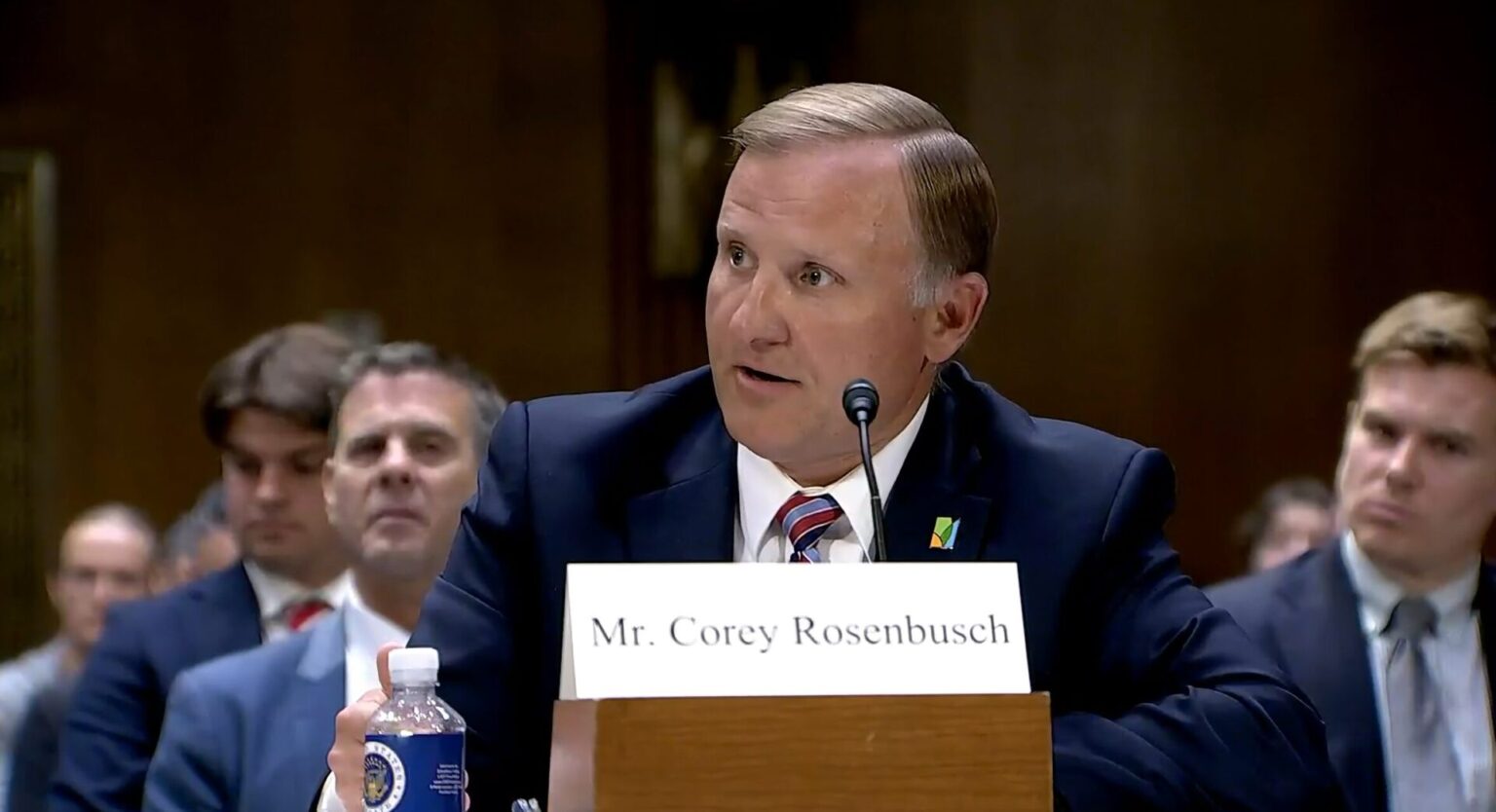
The hearing also highlighted the impact of global supply chain disruptions. According to Corey Rosenbusch, president and CEO of The Fertilizer Institute, sulfur and sulfuric acid prices have increased by more than 1,000% since early 2025. These materials are critical for phosphate fertilizer production.
Rosenbusch pointed to export restrictions from China and Russia, along with natural gas shortages and shipping disruptions tied to the Middle East conflict, as major drivers behind the current price surge.
Witnesses also discussed potential alternatives aimed at reducing dependence on synthetic fertilizers. Precision agriculture technologies and biological solutions received significant attention during the hearing.
Kubik explained that many farmers are already using variable-rate fertilizer applications and advanced soil testing to reduce waste and improve efficiency. However, he cautioned that biological alternatives are not yet capable of fully replacing traditional fertilizers.
“The biological space has definitely garnered a lot of attention over the past couple years,” Kubik said. “We still need fertilizer to grow our crops.”
Several startups and agricultural technology companies are developing solutions designed to reduce fertilizer use or replace synthetic nitrogen inputs altogether. These include companies focused on engineered microbes, precision nutrient delivery, green ammonia production and phosphorus recovery systems.
Among the companies mentioned during the discussion were Pivot Bio, Kula Bio, Joyn Bio, Nitricity, Windfall Bio and Solugen. Many of these firms are working on biological nitrogen fixation or low-emission fertilizer production technologies.
Lawmakers also examined proposed legislation such as the Fertilizer Transparency Act of 2026, which would require the US Department of Agriculture to publish more detailed pricing and market information. Supporters believe greater transparency could help farmers make better purchasing decisions and increase oversight of the industry.
According to AgFunderNews, experts at the hearing agreed that farmers urgently need short-term economic relief, but many also argued that long-term stability will depend on increasing competition, improving transparency and accelerating innovation in agricultural inputs.