Saga Robotics scales AI vineyard bots across 600 organic acres
Castoro Cellars expanded autonomous UV-C robots across California vineyards to reduce chemicals and improve organic wine production
viernes 15 de mayo de 2026
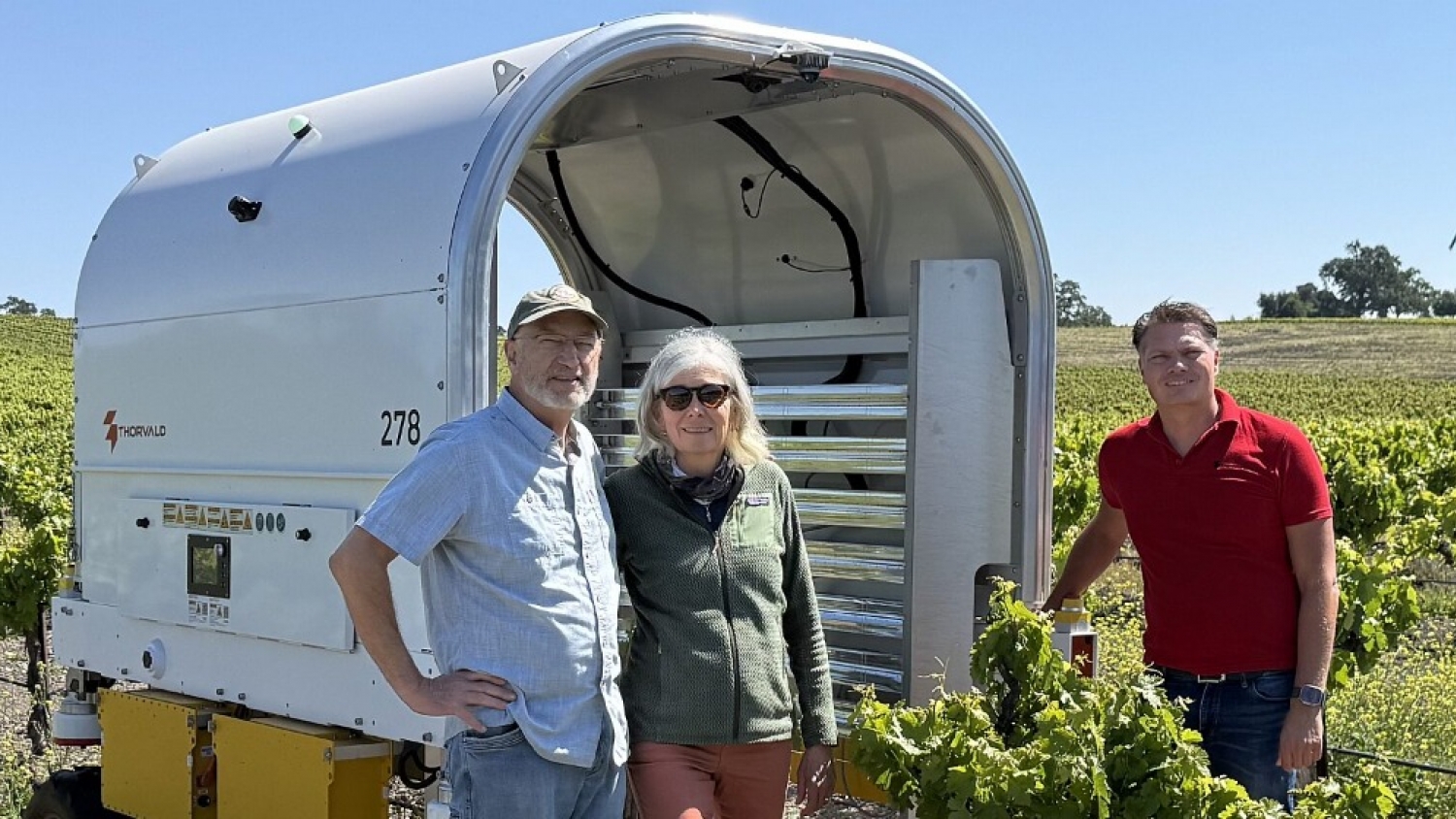
Castoro Cellars deployed autonomous UV-C robots from Saga Robotics across more than 600 acres of certified organic vineyards on California’s Central Coast to combat powdery mildew, reduce chemical use and improve sustainable wine production, according to AgFunderNews. The project marks one of the largest commercial uses of UV-C agricultural robotics in the US wine industry.
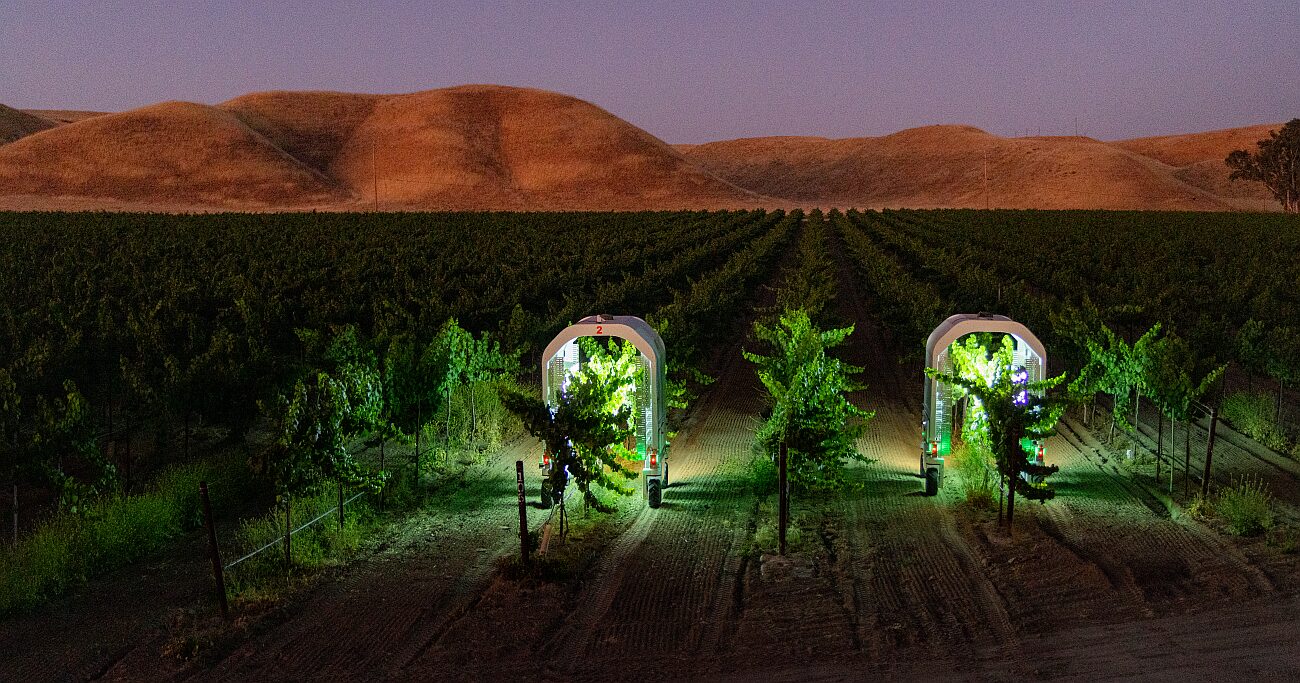
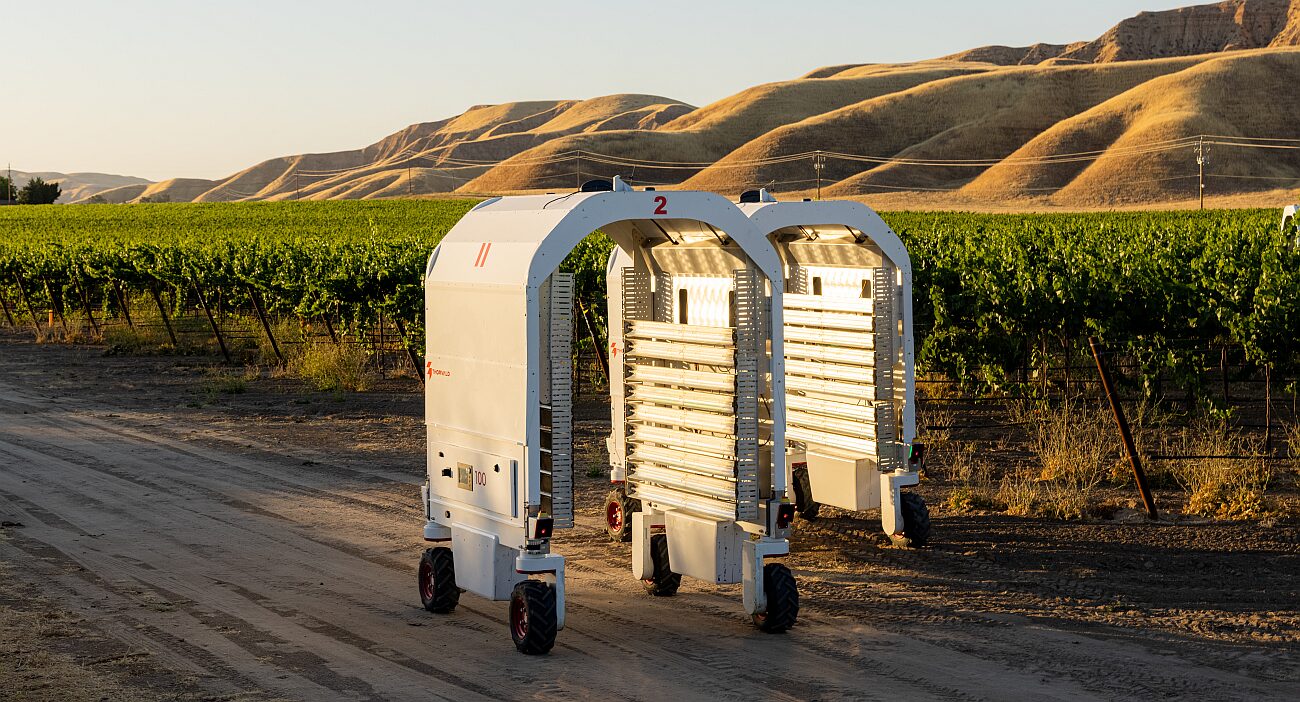
Castoro Cellars has worked with Norway-based Saga Robotics for the past three years, using the company’s autonomous Thorvald robots during nighttime operations in vineyards. The robots use UV-C light technology to interrupt the reproductive cycle of powdery mildew, botrytis and sour rot without relying on sulfur, oils or synthetic fungicides.
According to AgFunderNews, the expansion now covers more than 600 acres of certified organic vineyards across California’s Central Coast, reinforcing a broader push toward chemical-free viticulture.
“After three years with the Thorvald platform, the results were clear and the right move was to scale,” said Castoro Cellars cofounder Niels Udsen. “We believe it is the beginning of a much larger shift for growers across California and beyond.”
The technology arrives at a time when many growers are looking for alternatives to traditional fungicides, which are becoming less effective against vineyard diseases. UV-C systems are increasingly viewed as a way to reduce environmental impact while maintaining crop quality and yields.
Saga Robotics recently hired former O’Neill Vintners & Distillers executive Caine Thompson to lead its US operations. The company is also expanding through pilot programs with other organic producers, including Bonterra Organic Estates in Mendocino County.
Thompson described chemical-free winegrowing as “the holy grail” for sustainable agriculture. He explained that many vineyards currently use UV-C systems to replace between 60% and 90% of chemical applications.
“Growers want to move away from chemicals across all regions and countries,” Thompson said, according to AgFunderNews. “There is also a desire to move away from heavy tractors that are massive carbon emitters and drivers of soil compaction.”
Unlike traditional vineyard machinery, Saga Robotics’ Thorvald units are significantly lighter. The electric robots weigh around 800 pounds, compared with conventional tractors and spray rigs that can weigh between 10,000 and 15,000 pounds. That difference reduces soil compaction and lowers carbon emissions in vineyard operations.
Beyond disease management, the robots are also being equipped with cameras and data collection systems for yield prediction, vine health monitoring and detection of leaf roll virus and red blotch disease. The company said trials are underway to expand these AI-driven capabilities.
Saga Robotics operates under a Robots as a Service (RaaS) business model. Growers pay a fee per acre for robotic treatments rather than purchasing the machines outright. According to Thompson, the model allows vineyards to test the technology while offsetting costs through reduced spending on labor, chemicals, diesel and machinery operations.
The expansion also reflects growing global interest in precision agriculture and AI-powered farming systems. Saga Robotics has already built a strong presence in the UK strawberry market and is now accelerating its focus on California vineyards, where powdery mildew remains a major threat to grape production.
Industry analysts say the adoption of robotics and AI in vineyards could reshape sustainable wine production over the next decade, especially as growers face increasing pressure to reduce chemical use and improve environmental performance.
Invertí en periodismo de calidad
En Agroempresario trabajamos para acercarte contenidos que agregan valor.