Swedish foodtech startup Millow has raised €2 million ($2.3 million) in a new funding round as it prepares to bring its minimally processed alternative meat products to market. The company, which makes meat substitutes from oats and mycelium through solid-state fermentation, will use the capital to expand its production facility near Gothenburg and build its commercial operation for the Nordic foodservice market, according to AgFunderNews.
The round was led by Magnus Emilson, founder of hospitality technology company Visit Group and cofounder of ESS Group. The financing was also backed by Jan Enhager, cofounder of nutrition company Vitamin Well Group, along with other undisclosed investors.
Millow's new production facility is located in a former LEGO production hall in Stenkullen, near Gothenburg. The company said installation of its production equipment has been completed and that testing is now underway.
“Installation is completed and we will run tests now, with first commercial volumes reaching customers during the coming months,” Millow CEO Fredrik Öhrn told AgFunderNews.

The company plans to operate three proprietary fermentation units, known as S-units, with combined production capacity of more than 430 tons per year by the end of 2026. Millow expects to reach about 90% utilization toward the end of 2027 rather than operating at full capacity immediately.
The facility also has space for three additional units, which could allow the company to double production capacity without building a new plant.
Millow's technology combines mycelium with Swedish oats and psyllium in a dry, solid-state fermentation process. The company says the process takes between 16 and 24 hours and does not require binders or extensive downstream processing.
According to Öhrn, this distinguishes Millow from companies that use liquid fermentation to grow fungal biomass and then process it into a finished food product.
“We use solid-state dry fermentation: mycelium grown directly on Swedish oats and psyllium so the output is the food: few ingredients, no binders, in a 16–24 hour production cycle with a fraction of the water and energy consumption,” he said.
The resulting product contains approximately 14% protein initially, with the potential to reach 20%, as well as 7.6% fiber, according to the company.
Millow is initially targeting foodservice, particularly restaurant chains and public-sector kitchens. Its products include mince and ready-made formats, while the company is also exploring applications in which its product is blended with conventional meat.
“Chefs care about taste, texture that survives boiling, frying and baking, allergen-free status and reliable supply,” Öhrn told AgFunderNews.
Millow is currently in discussions with foodservice operators and distributors across the Nordic countries. The company sees foodservice as an important entry point because its products can be incorporated into existing cooking processes.
Jan Enhager, one of the investors in the round, said the market could be ready for products that combine nutritional characteristics with familiar formats.
“With Vitamin Well we saw how fast a better product can move from niche to mainstream once the taste and the format are right. Foodservice protein is at that point now,” Enhager said.
The company also sees growing interest from foodservice businesses seeking to reduce Scope 3 emissions and their overall carbon footprint.
Millow's fermentation platform is not limited to oats. The company is also exploring the use of plant-based industrial side streams and residues as raw materials.
Potential inputs include brewers' spent grain, canola cakes generated during oil production and okara from oat milk production.
According to Öhrn, Millow is already working with an international industrial partner on the fermentation of side streams. In the future, these collaborations could lead to a licensing model, in which partners operate the technology locally and Millow receives a fee based on production volume.
The company, however, plans to prioritize its food business in the Nordic market before expanding into those additional applications.
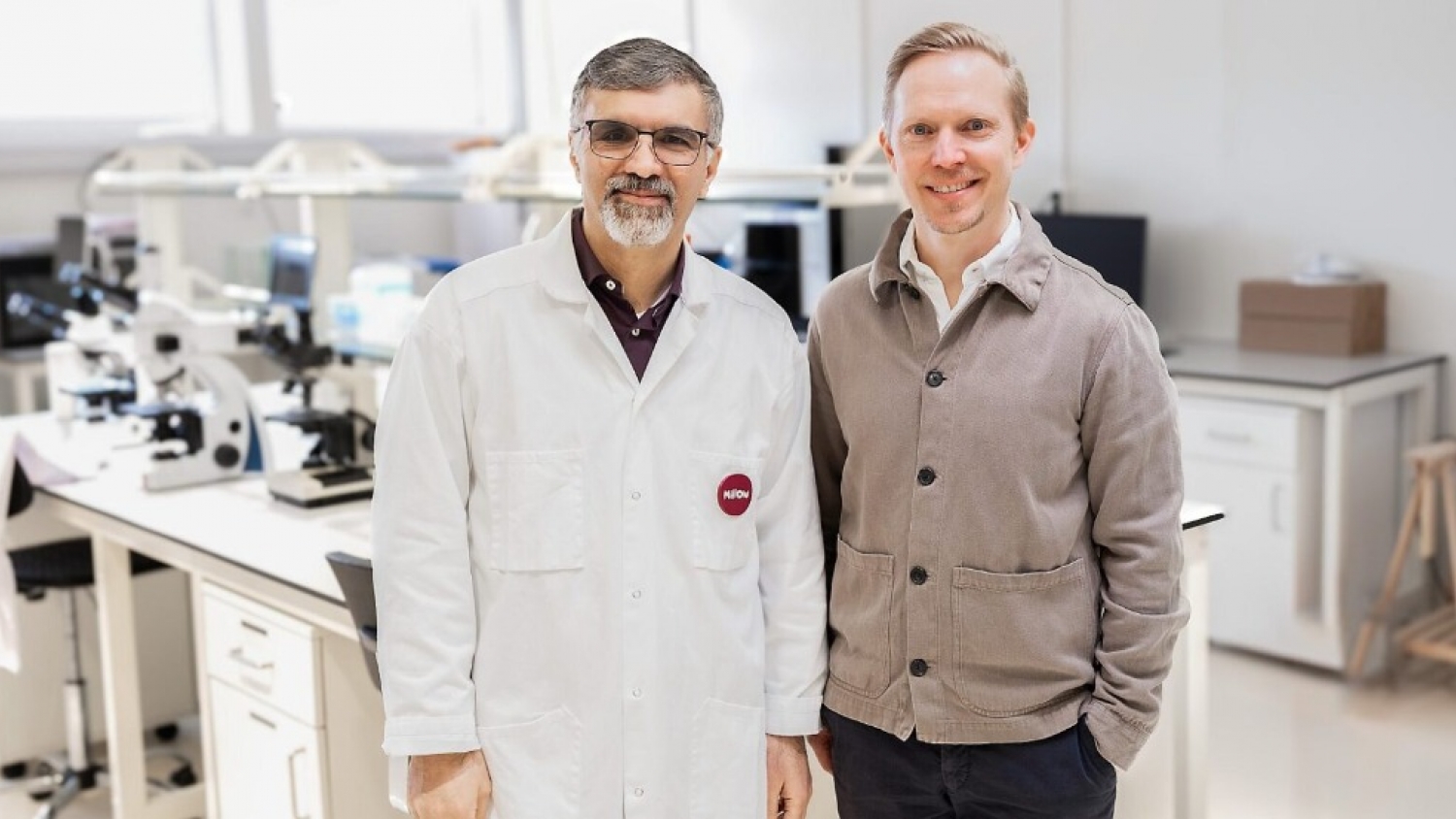
Millow's technology originated from research by Mohammad Taherzadeh, former professor of bioprocess technology at the University of Borås.
The process uses mycelium to grow through an oat-based matrix, creating a fibrous structure intended to replicate some of the characteristics of meat. The company says the material can be produced in different shapes depending on the fermentation containers.
Unlike some fermented plant products, Millow says its products maintain their structure when boiled, fried, baked or cooked in sauces.
The products can also be shipped fresh or frozen to food manufacturers and used either as standalone packaged foods or as ingredients in prepared meals.
For Millow, the next step is to turn its production capacity into commercial volumes. The company expects its first products to reach customers in the coming months as it builds its presence in Nordic foodservice.