Boston-based Ayana Bio and India’s Zenfold Sustainable Technologies have jointly acquired fermentation equipment from former alternative protein company Meati Foods for $75,000, securing 300,000 liters of production capacity that will be relocated to India to accelerate the scale-up of plant cell culture technology. The assets will support pilot development and future commercial production, according to AgFunderNews.
The transaction includes 12 fermentation tanks with a capacity of 25,000 liters each, along with associated seed trains. Ayana Bio CEO Frank Jaksch said the equipment was worth several million dollars when installed at Meati’s manufacturing operation in Thornton, Colorado.
Meati Foods had emerged as a high-profile alternative meat company by producing mycelium-based products at its Colorado biomanufacturing facility. After a difficult period, the company entered an Assignment for the Benefit of Creditors process in 2025, an alternative to bankruptcy, and was later acquired by Meati Holdings.
An auction was planned to sell the company’s physical assets. While some equipment found buyers, the core fermentation infrastructure remained available, opening an opportunity for Ayana Bio and Zenfold.
Ayana Bio had been aware of the equipment for months but initially struggled to find a model that would fit its strategy. The startup had deliberately avoided building and operating its own large manufacturing plant, preferring instead to work with standard equipment available through contract manufacturing organizations.
That changed when the company began working with Zenfold, which has manufacturing and research operations in Bengaluru and Hyderabad, India. The partners now plan to dismantle the Colorado fermentation equipment and move it to Zenfold’s facilities.
The assets will be used to establish a dedicated Ayana Bio pilot facility for plant cell development in India, while also creating capacity for future production. The pilot infrastructure is expected to be available to other plant cell companies as well.
The partners aim to have the new operation running during the first half of 2027.
“The opportunity to acquire this fermentation equipment, at this cost, is a game changer for Ayana Bio’s ability to perform consistent and cost-effective pilot scale development on plant cell lines,” Jaksch said.
For Ayana Bio, the acquisition addresses one of the major challenges facing companies trying to bring biotechnology processes to industrial scale: the cost of manufacturing infrastructure.
“The capital cost of stainless steel has historically been a bottleneck for synthetic biology and plant cell scaling,” Jaksch explained.
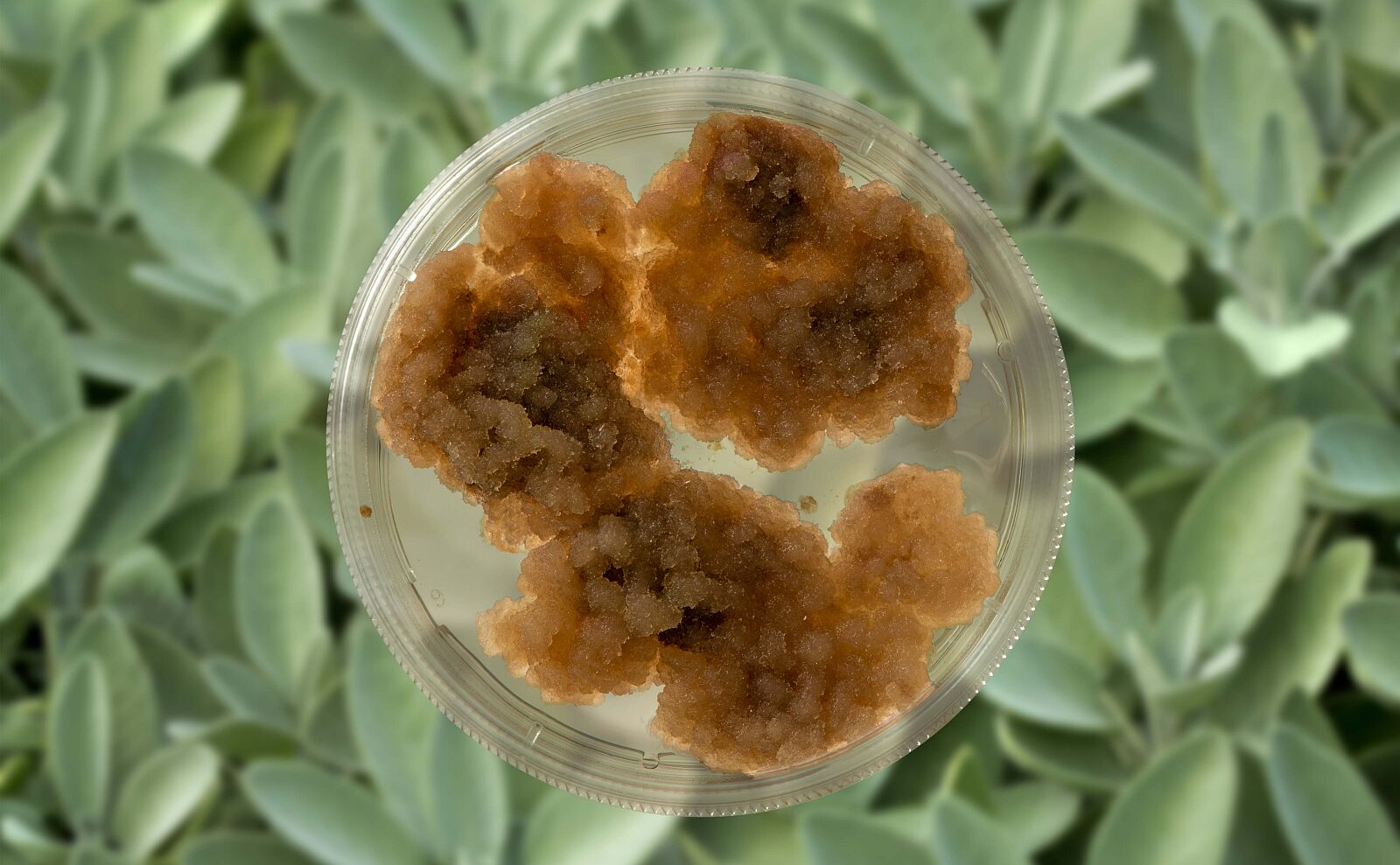
The company is initially targeting high-value ingredients produced through plant cell culture, including rosmarinic acid from sage, crocins from saffron and zeaxanthin and lutein from marigold.
Ayana Bio sees growing commercial potential for rosmarinic acid as a natural preservative alternative, particularly as food manufacturers explore replacements for certain synthetic ingredients.
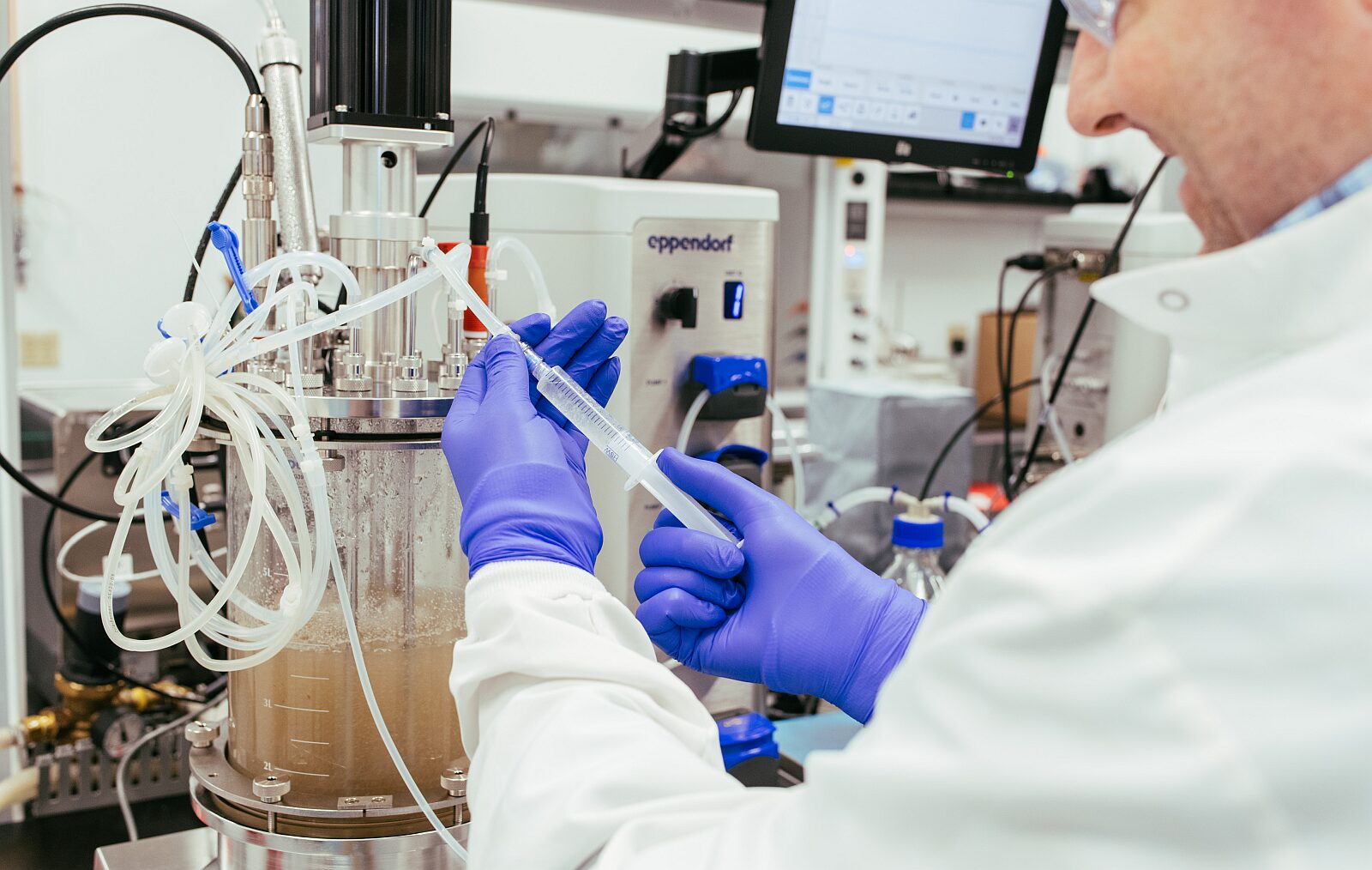
Plant cell culture uses bioreactors to grow plant cells under controlled conditions instead of relying on entire plants cultivated in fields. The technology is designed to produce specific compounds and secondary metabolites used in food, nutrition, health and other industries.
Supporters of the technology argue that controlled production can reduce exposure to climate volatility, seasonal changes, plant diseases, pesticides and other risks associated with conventional agricultural supply chains. It could also allow companies to produce targeted plant compounds without cultivating the entire plant.
The Meati equipment provides an intermediate scale that could prove particularly valuable for Ayana Bio. Zenfold already operates four 100,000-liter bioreactors, but moving directly from smaller pilot systems into tanks of that size can create technical and financial risks.
The newly acquired 25,000-liter fermenters will provide a bridge between pilot development and larger commercial runs.
“When you run a 100,000 liter [bioreactor] or multiple 100,000 liters, you want to be damn sure that it’s going to work before you go into it. Having this bridge to the 100,000-L [reactors] is really going to be helpful for us,” Jaksch said.
Arun Dubey, director at Zenfold Sustainable Technologies and managing partner at Zenfold Ventures, said relocating the equipment to India would combine biotechnology development with a lower-cost manufacturing platform.
“The Thornton site’s challenges were tied to real estate and cost structure, not the quality of its stainless steel. Integrating this high-capacity fermentation hardware into our Indian manufacturing base allows us to offer global partners an unbeatable combination of US biotechnology IP and ultra-efficient Asian scaling,” Dubey said.
For Ayana Bio, acquiring 300,000 liters of fermentation capacity for $75,000 could significantly reduce the capital required to move its technology toward commercial production. Combined with Zenfold’s existing infrastructure in India, the deal gives the startup a pathway to test new plant cell products at intermediate scale before moving into much larger bioreactors.