Lilac Agriculture raised $2.3 million in an oversubscribed seed round to advance a new generation of rhizobial inoculants designed to improve nitrogen fixation and competitiveness in pulse crops. The US agtech startup plans to use the funding to expand field trials, strengthen its R&D platform, commercialize its first product more broadly and prepare for entry into Canada, according to AgFunderNews.
The round was led by Innova and included participation from 701 Fund, Ag Ventures Alliance, Evergreen Climate Innovations, North Dakota Development Fund, Pathway Ventures, Tall Grass Ventures and other investors.
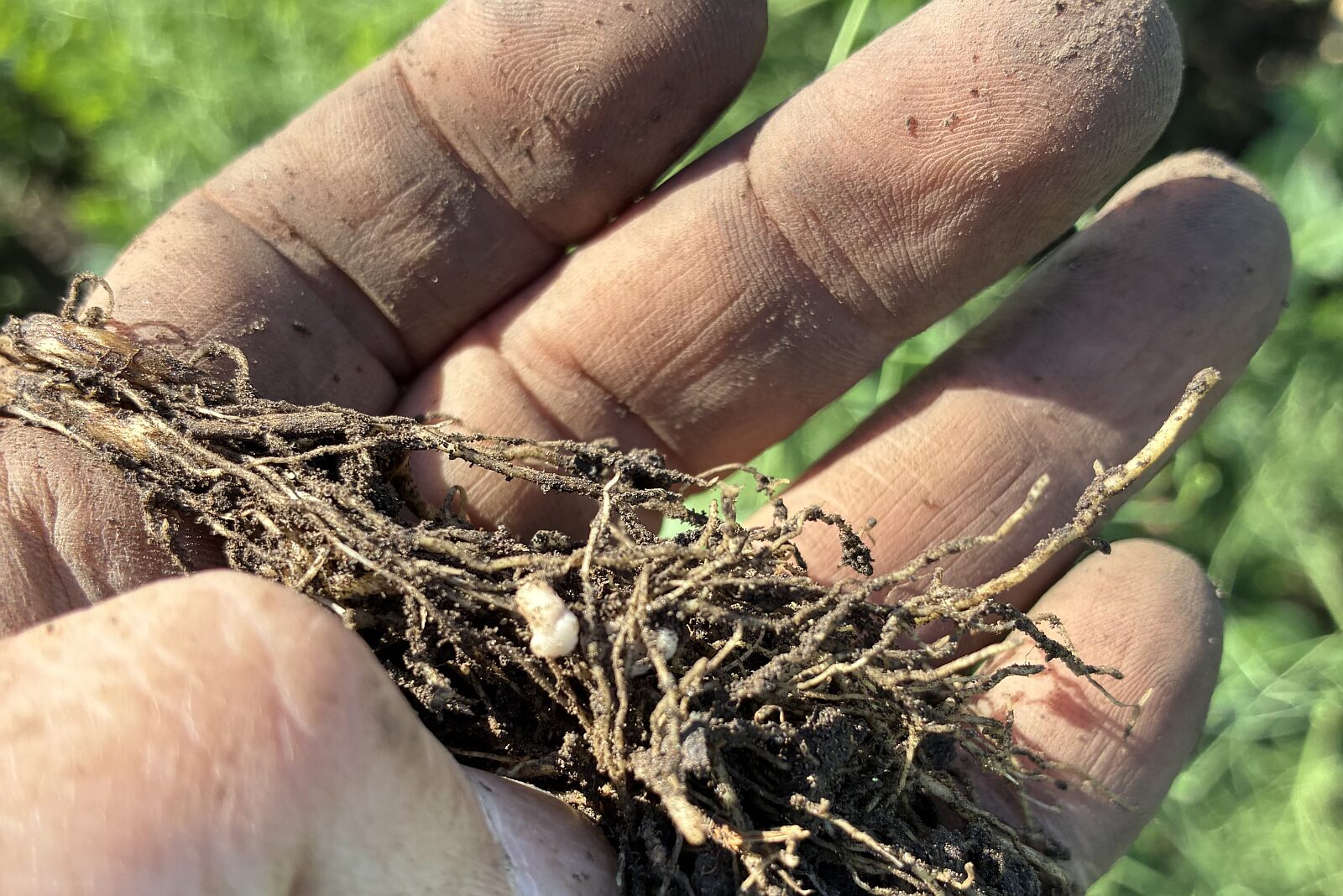
Lilac Agriculture is addressing a challenge associated with rhizobial inoculants, products widely used in pulse production. Rhizobia colonize plant roots and form nodules where atmospheric nitrogen is converted into a form the crop can use.
The problem is that naturally occurring bacteria already present in the soil can compete with the microorganisms introduced through commercial inoculants. If the applied strain fails to colonize the plant effectively, its nitrogen-fixing capacity may not translate into the expected agronomic benefits.
Lilac CEO Natalie DiNicola said this lack of visibility has historically made inoculants difficult for farmers to evaluate. “He felt like inoculants were sort of a black box; there wasn’t a lot of transparency about what you were actually buying and if it was working,” she explained, referring to research conducted by company cofounder Barney Geddes.
Founded in 2024 by North Dakota State University assistant professor Barney Geddes, agtech veterans Matt Crisp and Tom Snipes, and NDSU biotechnology graduate Wyatt Warkenthien, Lilac is developing a platform that evaluates microbial strains based on two central characteristics: their ability to fix nitrogen and their competitiveness when colonizing roots.
The company begins by screening microbial diversity already available in North Dakota State University's collection. Nitrogen fixation can be evaluated under controlled nitrogen-limited conditions, while molecular markers are used to determine which strains successfully reach the roots and occupy the nodules.
Lilac's first commercial strain, PL11, emerged from the selection of naturally occurring microorganisms. The company is also developing a second stage based on what it calls “guided evolution,” which applies selection pressures in the laboratory and takes advantage of the rapid reproduction of microbes to repeatedly select better-performing organisms.
“The great thing about microbes is that they multiply really fast, so you can iterate and test very quickly,” DiNicola said.
The approach applies principles similar to conventional plant breeding to microorganisms. Lilac believes the strategy could eventually be used not only to improve nitrogen fixation and competitiveness but also to select traits such as drought tolerance.
Gene editing could become a third stage of the platform in the future. However, the company says more information is needed to understand which genetic changes are linked to desirable characteristics. For now, PL11 is a naturally selected strain and is not gene edited.
Early field trials across different locations and soil types produced encouraging results, according to the company. DiNicola said PL11 generated an aggregate yield increase of 11% compared with plots without inoculant and 6% compared with an existing commercial inoculant.
The company acknowledges that crop yields depend on multiple variables, making it difficult to attribute improvements to a single intervention. Its strategy therefore includes checking whether the microorganisms contained in its product are actually present in plant nodules.
Lilac is initially targeting pulse growers in the Northern Plains, where DiNicola estimates about 90% of producers use inoculants. Its first product is a shelf-stable powder with a six-month shelf life that can be applied with standard agricultural equipment.
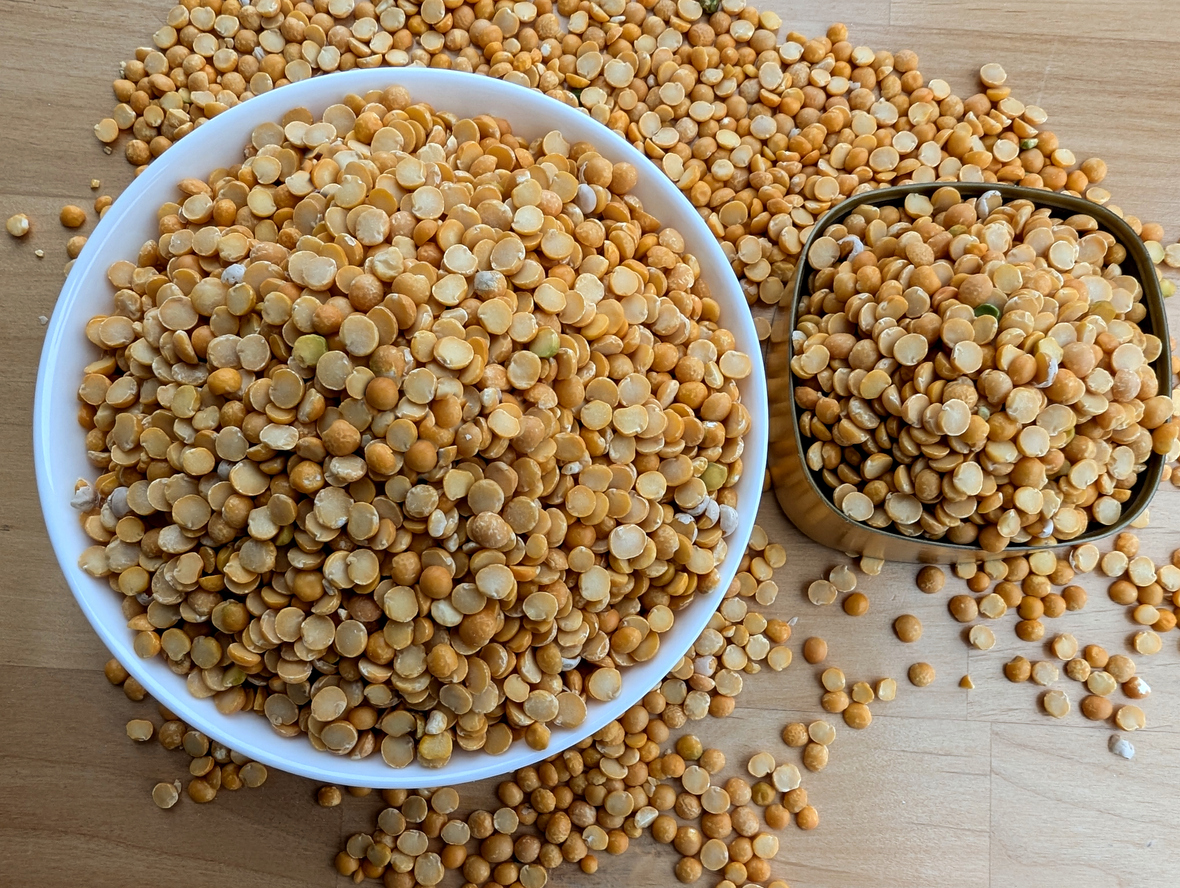
PL11 was commercially used on a limited number of acres planted with peas and lentils this year, generating the startup's first revenues. The company plans to expand its presence in those crops next season and introduce a product for dry beans.
Canada is another priority. Lilac is preparing the product registration required to enter the Canadian market, an important destination because of the country's large pea and lentil industry.
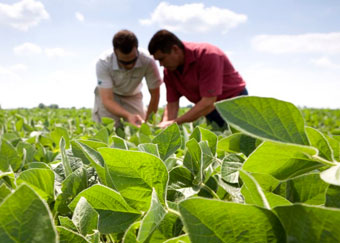
Longer term, the technology could expand beyond pulses. Soybeans represent a potential next step because they naturally establish nitrogen-fixing relationships with bacteria. The company also intends to explore applications in row crops such as corn, although cereals do not naturally form the same nitrogen-fixing nodules.
The $2.3 million round exceeded Lilac's original $1.5 million target following stronger investor interest. DiNicola said the startup is aiming to reach profitability with approximately $5 million in total capital.
The new funding will now support expanded field testing, continued development of the microbial platform, broader commercialization of PL11 and preparations for Canada, as Lilac seeks to turn improvements in microbial selection into more consistent results for farmers.