By Agroempresario.com
In the delicate dance between agricultural productivity and wildlife conservation, productive farms and birdlife can often seem at odds. However, with thoughtful planning and sustainable practices, these two can coexist harmoniously. This article explores how farms can nurture vibrant bird populations without sacrificing crop yields, ensuring a balanced ecosystem that benefits both farmers and feathered friends.
The role of birds in sustainable agriculture
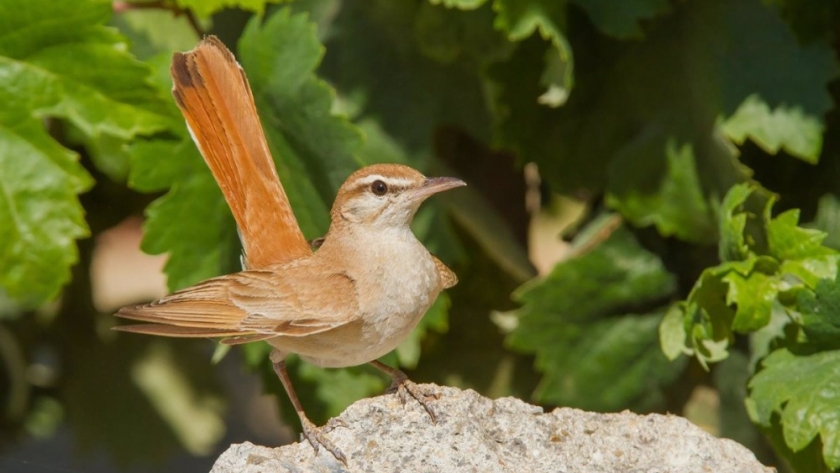
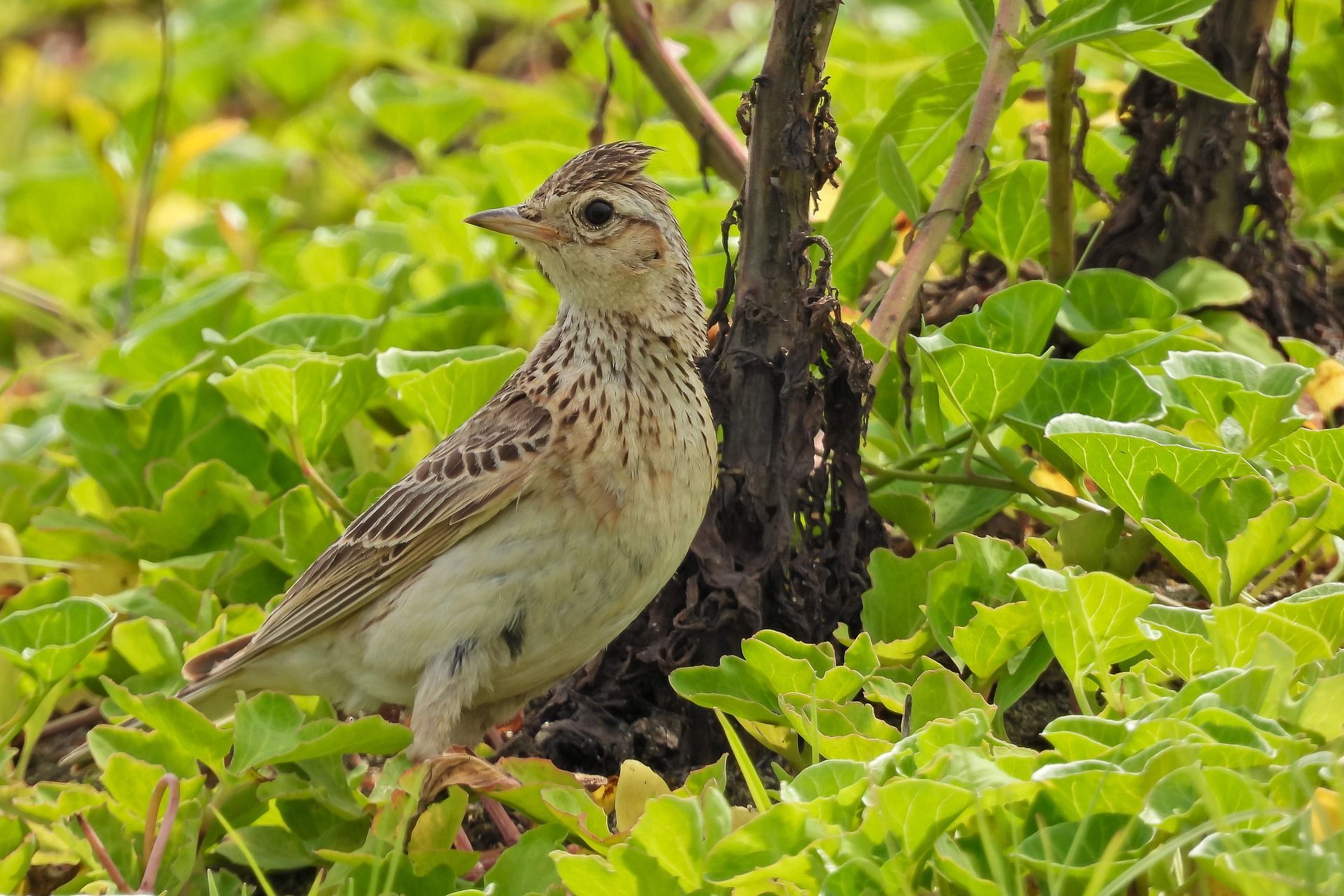
Birds play a crucial role in agriculture by providing natural pest control, pollination, and soil fertility enhancement. Many bird species, such as insectivorous birds and raptors, help manage pest populations, reducing the need for chemical pesticides. This natural pest control is not only environmentally friendly but also cost-effective for farmers. By attracting and protecting these beneficial birds, farmers can create a self-sustaining cycle that supports crop health and biodiversity.
Creating bird-friendly habitats on farms
One of the most effective ways to support bird populations is by creating and preserving habitats within farm landscapes. Planting hedgerows, cover crops, and wildflower strips can provide food, nesting sites, and shelter for birds. These features not only support birds but also enhance the overall ecological health of the farm by promoting pollinators and beneficial insects. Moreover, providing artificial nesting boxes and perches can encourage birds of prey, such as hawks and owls, which help control rodent populations.

Mitigating risks to crops without harming birds
While birds are invaluable allies in pest management, some species can pose a threat to crops, particularly during certain stages of growth. Farmers can use bird netting, scare devices, and other deterrents to protect vulnerable crops. It's important to use these methods selectively and rotate them regularly to prevent birds from becoming accustomed to them. Diversifying crop planting can also reduce the attractiveness of any single crop, distributing the risk and minimizing potential losses.
Sustainable farming practices and bird conservation
Adopting conservation-friendly farming practices can further support birdlife. For example, conservation tillage protects ground-nesting birds and maintains soil structure, while proper water management creates habitats that benefit both birds and farm operations. Avoiding harmful pesticides or opting for bird-friendly alternatives helps protect not only birds but also other wildlife and human health.
Collaboration and education for a bird-friendly future
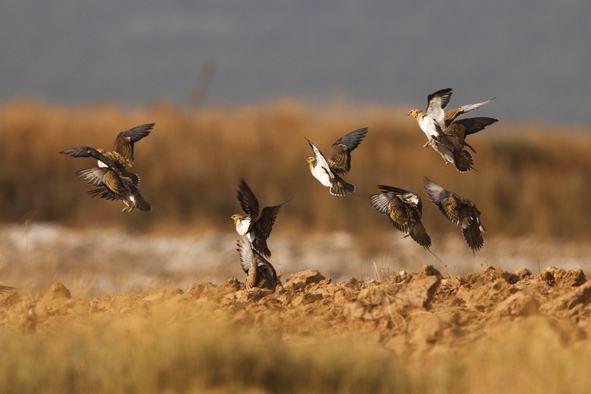
Successful integration of bird conservation into farming requires collaboration and knowledge sharing. Farmers can partner with conservation organizations to implement bird-friendly practices and participate in education programs to learn about the ecological benefits of birds. By understanding the positive impact of birds on agriculture, farmers can make informed decisions that support both their livelihoods and the environment.
In conclusion, productive farms and birdlife need not be at odds. By embracing sustainable practices and fostering habitats that support bird populations, farmers can enjoy the benefits of natural pest control, enhanced pollination, and a healthier ecosystem. This harmonious coexistence not only protects our feathered friends but also promotes a more sustainable and resilient agricultural landscape.