Switch Bioworks tests nitrogen-fixing microbes in U.S. corn
The California startup has begun its first field trials of genetically engineered microbes designed to reduce synthetic fertilizer use while maintaining corn yields
lunes 27 de julio de 2026
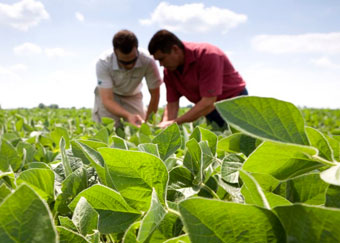
Switch Bioworks has launched its first U.S. field trials of genetically engineered nitrogen-fixing microbes designed to help corn crops produce part of the nitrogen they need naturally, reducing reliance on synthetic fertilizers. The trials, taking place across several Midwestern states, represent the company's first large-scale test under real farming conditions after years of laboratory and greenhouse research.
The California-based startup is evaluating whether its engineered microorganisms can successfully colonize corn roots, survive in different soil environments and activate a proprietary genetic switch that triggers ammonia production several weeks after planting. If successful, the technology could lower fertilizer costs for growers while reducing the environmental footprint associated with nitrogen production.
Unlike conventional microbial fertilizers, Switch Bioworks developed a genetically encoded "switch" that separates two biological tasks. First, the microbes establish themselves on plant roots and compete with native soil microorganisms. Once established, the engineered genetic program activates, instructing the microbes to produce excess ammonia and share it with the corn plant.
According to founder and CEO Dr. Tim Schnabel, this approach addresses one of the industry's biggest biological challenges. Nitrogen fixation requires significant energy, making microbes that constantly produce ammonia less competitive in natural soil environments.
"The active compound produced by the microbes is exactly the same ammonia generated through the Haber-Bosch process, but our microorganisms can make it at room temperature using naturally occurring enzymes," Schnabel said, according to AgFunderNews.
The current field trials focus on three primary objectives: confirming that the microbes establish themselves on corn roots, verifying that the genetic switch activates at the correct point in the growing season and determining which microbial strains perform best for the final commercial product.
Researchers are monitoring microbial populations, activation of the genetic switch, plant responses to nitrogen availability and crop performance. However, Switch Bioworks does not expect major yield improvements during this first season, as the primary objective is validating the technology under commercial field conditions.
The company believes its engineered approach offers advantages over existing biological fertilizers because it allows microbes to thrive before beginning the energy-intensive process of nitrogen fixation. Switch also uses a combination of microbial strains to improve consistency across different soils and environmental conditions.
Unlike other approaches that rely primarily on naturally occurring mutations, the company's microbes incorporate advanced genetic engineering, including components derived from viruses and other bacterial systems. This level of engineering required regulatory approvals from both the U.S. Department of Agriculture (USDA) and the Environmental Protection Agency (EPA) before field testing could begin.
Switch Bioworks expects commercial deployment within two to three years if field trials continue to produce positive results. The company is not aiming to eliminate synthetic nitrogen fertilizers entirely but instead replace a meaningful portion of their use.
Schnabel estimates that replacing approximately 25% of synthetic nitrogen fertilizer while maintaining current crop yields would represent a major breakthrough for agriculture, with the biological limit potentially reaching about 50%.
The economic opportunity is significant. Nitrogen fertilizer remains one of the largest production costs for corn growers, and even modest reductions could improve farm profitability. According to the company, replacing part of the fertilizer with microbial technology could save farmers between $20 and $30 per acre, depending on fertilizer prices.
Switch Bioworks is also advancing strategic partnerships with companies in the agricultural retail, fertilizer and seed industries, with additional announcements expected later this year.
Industry investors view the technology as one of several promising innovations seeking to reduce agriculture's dependence on energy-intensive fertilizer manufacturing while improving sustainability.
According to AgFunderNews, the field trials mark an important milestone for Switch Bioworks as it moves from controlled research environments to commercial-scale agricultural testing.
Invertí en periodismo de calidad
En Agroempresario trabajamos para acercarte contenidos que agregan valor.