Weed resistance tops farmers' challenges in 2026, Grand Farm says
A new report highlights herbicide resistance, crop diseases, and poor drainage as the most urgent issues facing growers, while calling for practical technologies that address real on-farm needs
lunes 03 de agosto de 2026 - 16:03
Herbicide-resistant weeds, crop diseases, and poor field drainage are the three biggest challenges facing farmers in 2026, according to the latest Upper Midwest Regional Agriculture Pain Point Report released by Grand Farm. According to AgFunderNews, the findings underscore the need for agricultural technologies that solve real production problems rather than simply introducing new innovations.
Grand Farm, a U.S.-based agricultural innovation hub located in North Dakota, believes that successful innovation begins by understanding growers' daily challenges. Executive Director Dr. William Aderholdt said agriculture needs practical solutions grounded in real farming conditions instead of technologies developed without a clear understanding of producers' priorities.
"Innovation has to start with listening," Aderholdt said, emphasizing that many technologies currently entering the market fail to address the industry's most pressing issues.
The report identifies declining weed control caused by herbicide resistance as the leading concern for growers. According to Aderholdt, herbicide resistance has evolved from being one of many agricultural topics to becoming a top priority for nearly every commodity organization.
To address the problem, companies are developing a wide range of solutions, including advanced herbicides, robotic weed-control systems, and precision tractor implements capable of identifying and eliminating weeds in the field. While these technologies require significant investment, the increasing economic impact of resistant weeds is making such purchases a sound business decision for many producers.
Another major concern is the late detection of crop diseases and pest pressure, which limits farmers' ability to intervene before significant yield losses occur. Early diagnosis and precision monitoring technologies are therefore becoming increasingly important across the agricultural sector.
The report also highlights excess soil moisture and inadequate drainage as major obstacles, preventing timely access to fields and reducing operational efficiency during critical planting and harvesting periods.
Additional challenges include rising input costs, labor shortages, and the need to better match fertilizer applications with soil variability. According to Aderholdt, these issues are accelerating demand for precision agriculture technologies capable of improving nutrient management and increasing fertilizer efficiency.
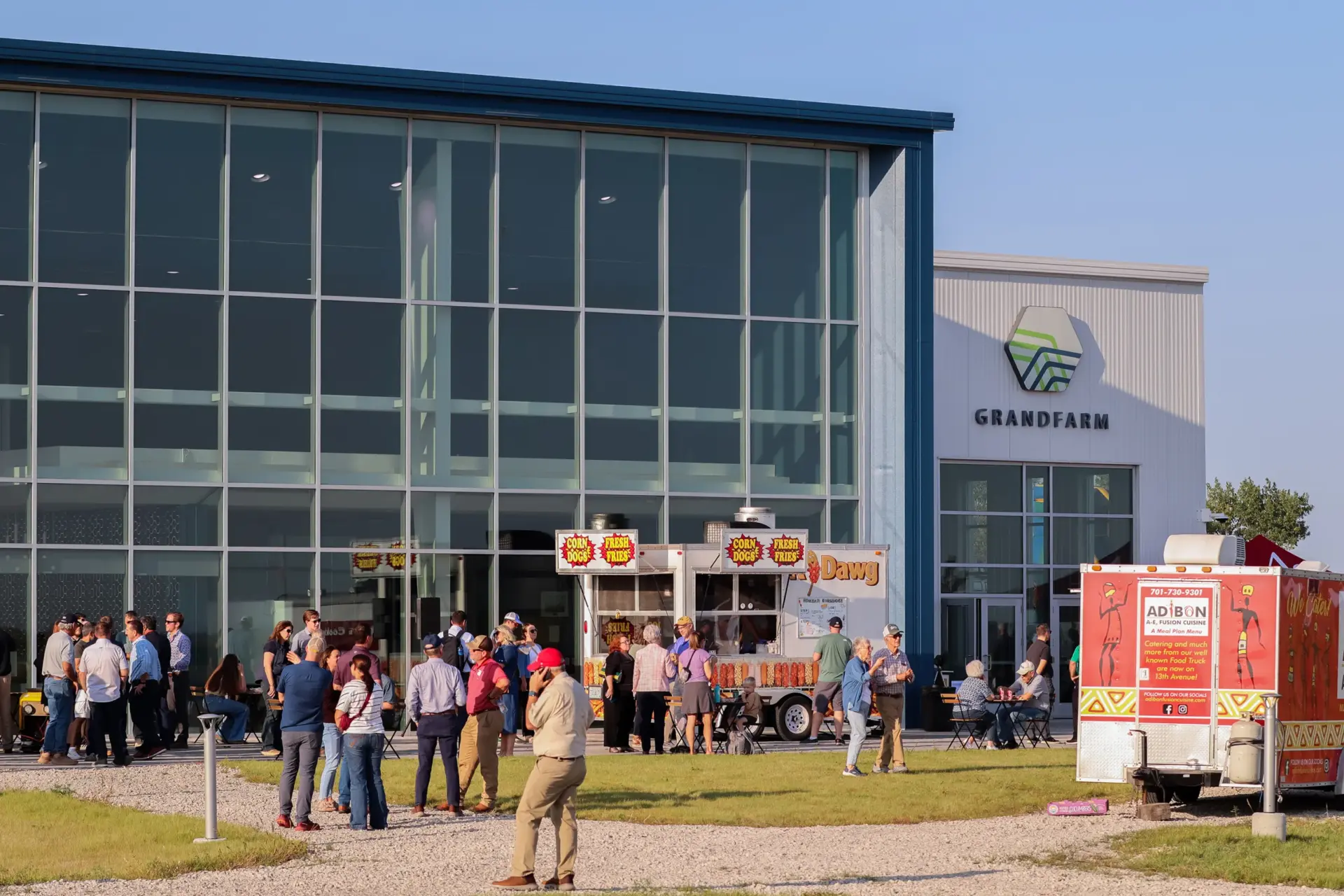
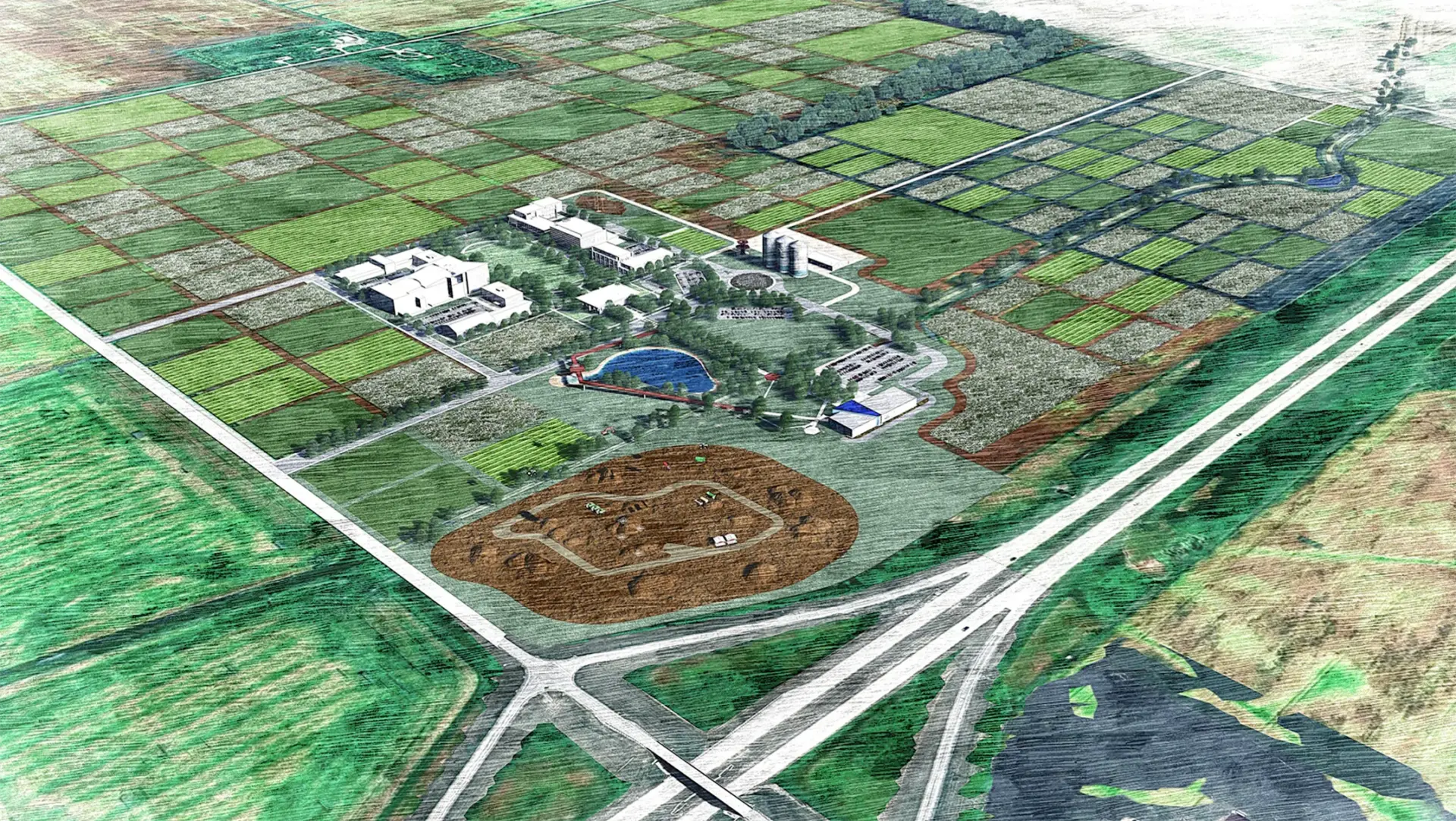
Grand Farm operates nearly 600 acres dedicated to testing agricultural technologies in real farming conditions. The organization completed the first phase of its innovation campus in 2024 and is now launching Phase II, expanding its research infrastructure to support more field trials and collaborations between startups, equipment manufacturers, universities, and agricultural companies.
The organization also recently became the national program manager for the USDA National Proving Grounds Network for AgTech, an initiative designed to accelerate adoption of technologies that reduce production costs, improve input efficiency, and expand agricultural automation.
According to Aderholdt, Grand Farm's role is to connect the right companies with real-world testing opportunities while ensuring that technologies are evaluated under practical farming conditions.
Artificial intelligence was another major topic discussed during Grand Farm's annual Elevate conference. Although AI is rapidly spreading throughout agriculture, Aderholdt cautioned that many digital tools create more confusion than value.
He argued that AI should not be viewed as a standalone solution but rather as one component within a broader agricultural innovation strategy. Technologies must be designed to solve clearly identified production challenges instead of simply capitalizing on current market trends.
"The age of the silver bullet in agriculture has gone away," Aderholdt said, explaining that future productivity gains will come from combining multiple innovations, including artificial intelligence, improved agronomic practices, crop diversification, and precision farming technologies.
He added that the startups most likely to succeed are those working closely with farmers over the long term, developing solutions through collaboration rather than simply marketing new products.
Invertí en periodismo de calidad
En Agroempresario trabajamos para acercarte contenidos que agregan valor.