IIF expands into Canada with a new model for farm investment
The Australian platform raised new capital from Verdex Capital to connect Canadian farmers with consumers and alternative financing
jueves 20 de agosto de 2026
Australian agricultural investment platform IIF is expanding into Canada after securing new funding from Verdex Capital, its first Canadian investor, according to AgFunderNews. The company plans to make its platform available to farmers and consumers across the country, offering an alternative way to finance agricultural production and invest directly in farming.
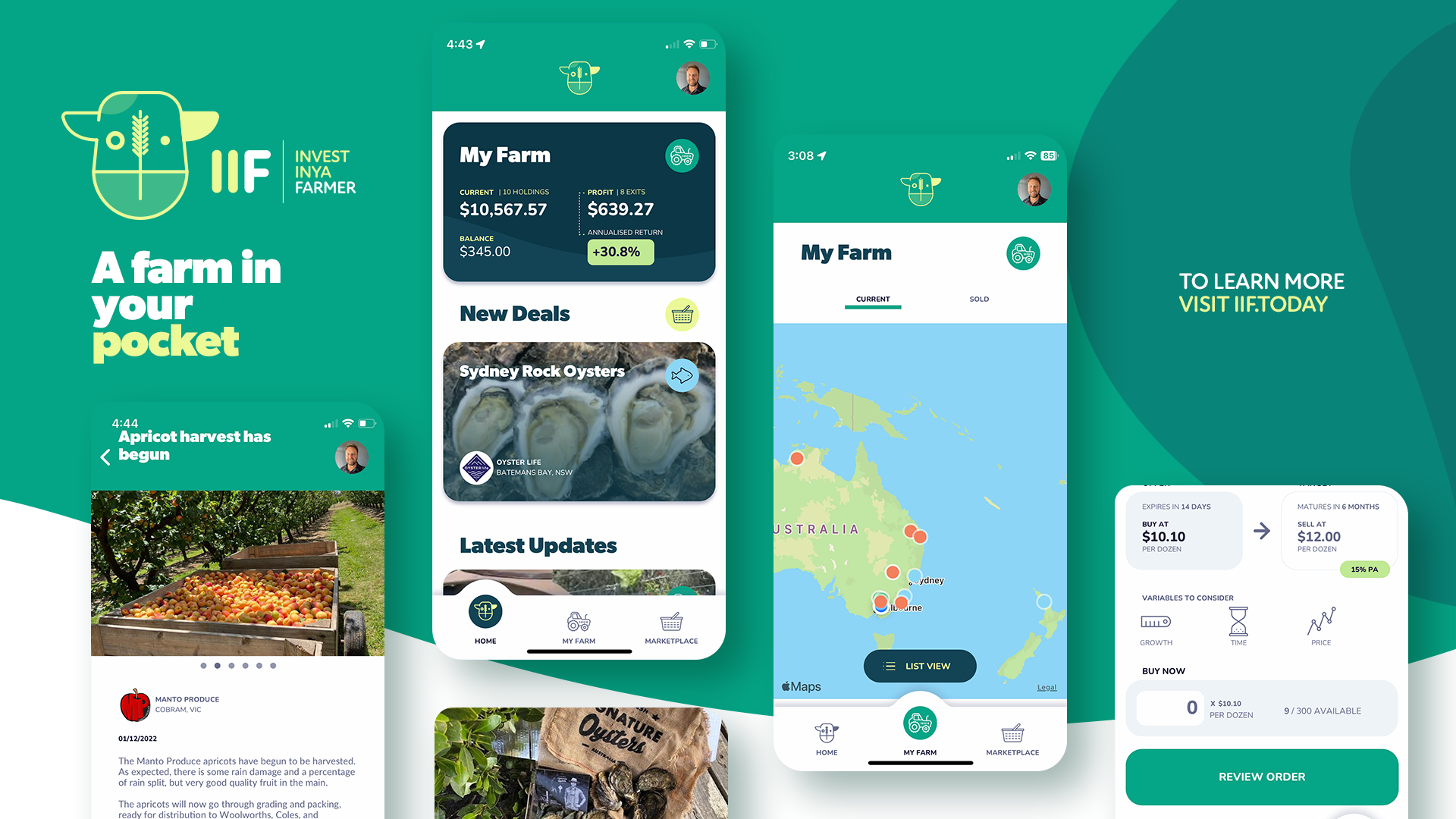
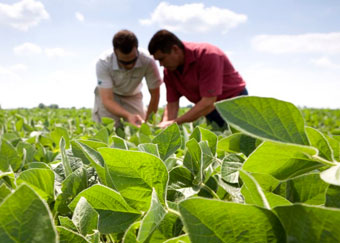
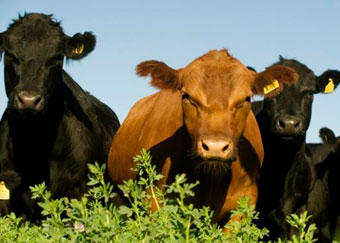
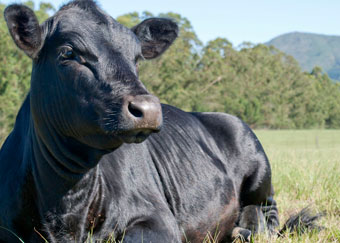
IIF was founded to allow people to invest in agricultural production without owning a farm. Through a mobile app, users can choose specific agricultural assets, ranging from beehives and individual cattle to oyster baskets and acres of canola, and follow their performance throughout the production cycle.
The investments provide farmers with capital to cover production costs. Depending on the season and the performance of the underlying agricultural activity, investors can receive financial returns.
For Canadian farmers, the model could provide an additional source of liquidity outside traditional agricultural lending. Verdex Capital CEO Collin Philip said the platform can expand a farmer’s capital base without necessarily affecting existing lending arrangements.
“It’s a way of expanding their capital base without triggering any other covenants or ratios for their lending,” Philip told AgFunderNews. “A farmer that has a successful IIF crop could actually take on additional financing from a traditional lender that they deal with currently.”
The Canadian expansion is backed by Verdex Capital, which focuses on investments in the food and agriculture sectors. Existing IIF investors AgFunder and Investible also participated in the latest funding round.
Philip said IIF stands out because of its potential to operate across different parts of Canada's agricultural economy, including row crops, greenhouse production and seafood.
Canada's agriculture and agrifood sector currently employs more than 2 million people and represents approximately 7% of the country's GDP. At the same time, farmers face increasing pressure from climate change, tariffs and trade disputes, which can affect productivity and farm incomes.
Against that backdrop, access to capital is becoming increasingly important for producers looking to adopt new technologies and production methods.
“We spend a lot of time looking at innovations on farm to help the farmer do more with less, grow their acres, be more efficient, whatever it is,” Philip said. “But you can’t do any of that if you don’t actually have available capital to invest in new technology.”
The company believes its platform can help close another gap: the distance between farmers and consumers.
The model gives consumers an opportunity not only to learn more about agricultural production, but also to financially participate in it. For urban residents, IIF offers a way to gain exposure to farming without purchasing farmland themselves.
“This is a really, really innovative way to both help farmers and give access to consumers, not just to understand farming and farm production, but also to invest in that class,” Philip said.
IIF's expansion into Canada follows progress in other markets. The company recently received regulatory approval in New Zealand and continues to develop its operations in Australia, where it initially established and tested its business model.
Founder and CEO Nathan McPhee said Canada was a natural next step because of similarities with Australia, particularly high urbanization alongside a large commercial agricultural sector.
“We proved the model in Australia. What we’re demonstrating in Canada is how rapidly it can be replicated in a new market,” McPhee told AgFunderNews. “If we can repeat that here, the opportunity across developed agricultural markets is significant.”
McPhee has relocated to Calgary to oversee the Canadian expansion. The company sees Canada as an opportunity to demonstrate that its model can be replicated in other developed agricultural markets, including potentially the United States.
For Verdex, Canada also provides an opportunity to introduce the platform as an intentional part of the country's agricultural ecosystem rather than treating the market as a secondary expansion.
“Rather than being an afterthought market, it’s an intentional expansion to help Canadian producers,” Philip said.
Invertí en periodismo de calidad
En Agroempresario trabajamos para acercarte contenidos que agregan valor.