Agtech’s New Reality Check: Put the Robots in the Field
Growers are testing agricultural robotics in real farm conditions, giving investors signals that pitch decks and reference checks often miss
miércoles 19 de agosto de 2026
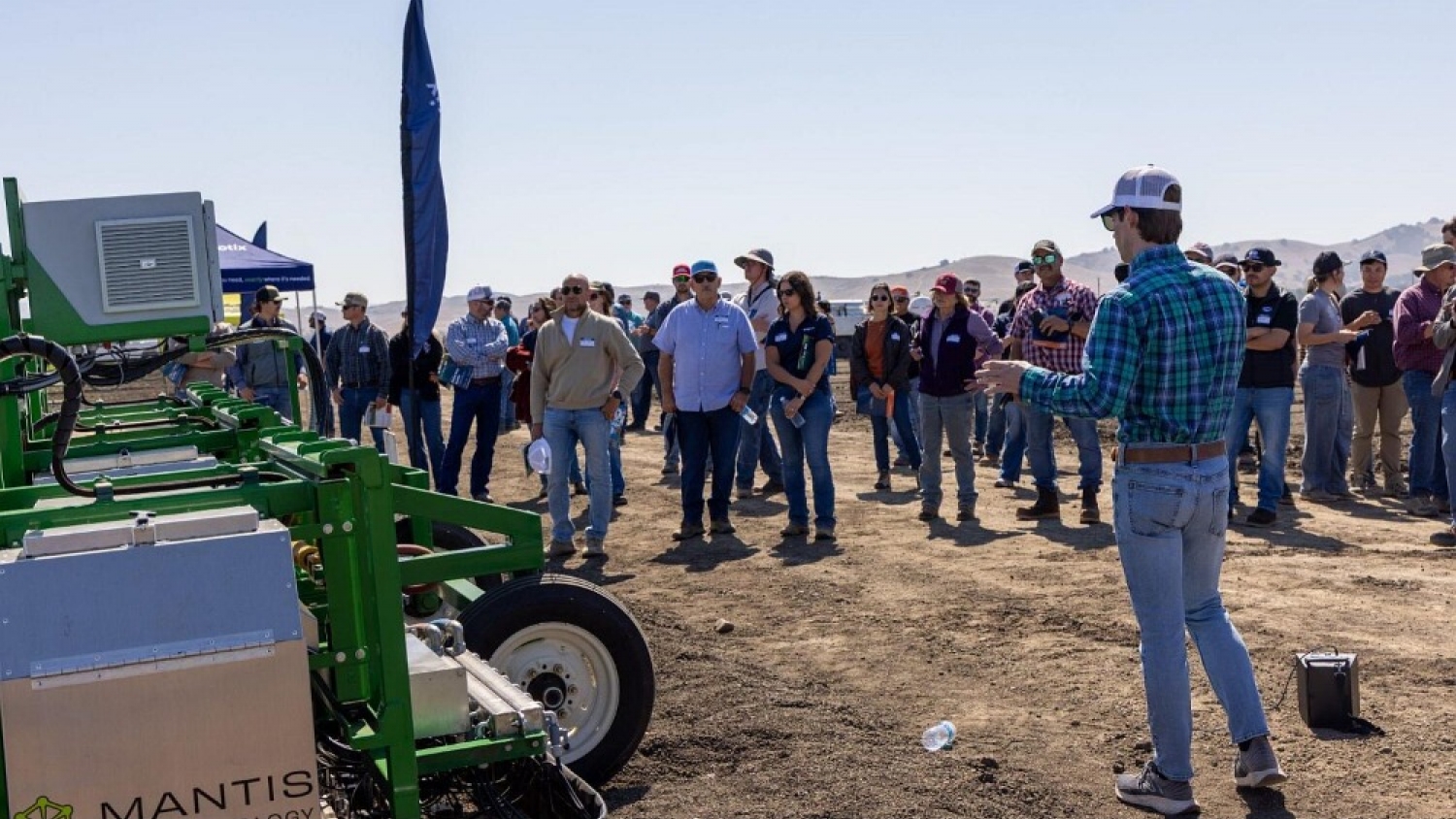
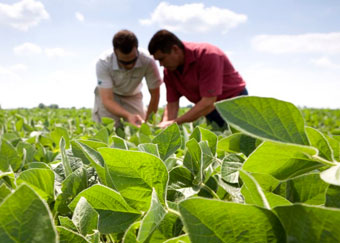
According to AgFunderNews, more than 250 growers, investors and startup teams from the United States, Brazil and Europe gathered on August 6 for a field day in California to evaluate physical AI and agricultural robotics in one of the crops considered particularly difficult to automate: leafy greens. The event was part of UC ANR Innovate’s Connect program, which uses real-world farm demonstrations to help growers and investors assess whether emerging technologies can solve practical agricultural problems.
The authors argue that the field day is becoming a new form of due diligence for agtech investors. Instead of relying only on pitch decks, financial projections and references, investors can observe how startup teams perform when their technology is exposed to real growers, real questions and real operating conditions.
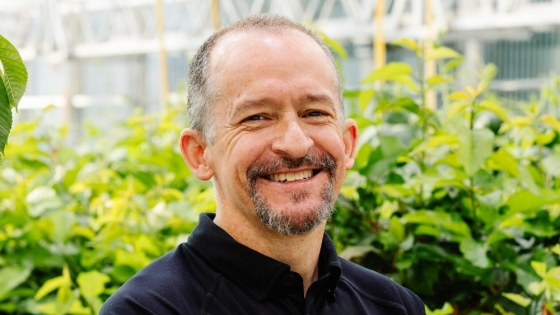
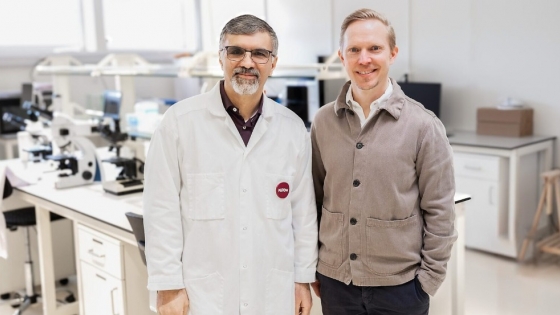
Over the past two years, Bowen and Johnson have helped develop the UC ANR Innovate Connect program, a series of selective field days designed to bring startups with agricultural technologies directly in front of California’s farming industry.
Startups first apply to the program and are evaluated by growers and researchers. They then participate in virtual preparation sessions before demonstrating their technologies at field events.
The program has already hosted six field days in two years, with additional events planned for the fall and throughout 2027.
The authors say these demonstrations reveal information that is difficult to obtain from traditional investment processes. One of the first signals is how a startup prepares its team for the event.
When a company sends enough technical personnel to answer detailed questions from growers, it can indicate that the team understands the opportunity and is prepared to support customers. By contrast, an understaffed demonstration can raise questions about whether the company has sufficient resources or understands what the market requires.
The evaluation does not end when the field demonstration is over. The follow-up can be just as revealing.
Investors can see whether startups contact growers who showed interest, provide promised information and data, and acknowledge the farms or research stations that hosted the event.
According to Bowen and Johnson, these apparently minor actions can provide important clues about how a company will treat customers after a sale.
The strongest signal, however, may be how founders interact with growers during the demonstration. The key question is whether the startup team genuinely listens to farmers and tries to understand their problems, or whether it simply views farmland as another sales opportunity.
The authors acknowledge that these qualitative signals cannot replace financial analysis. The economics still have to work, and a successful field day by itself does not guarantee an investment return.
But they argue that technology must ultimately deliver practical value to farmers and strengthen the agricultural system. A strong business model is not enough if the product fails to address a real problem in the field.
For agricultural robotics and other forms of physical AI, this distinction is particularly important. Technologies designed to operate in controlled environments can face very different challenges once they encounter variable crops, weather conditions, irrigation systems, workers and the many operational constraints found on real farms.
That is why direct exposure to growers can become a decisive part of the evaluation process.
The Connect program also illustrates how the relationship between farmers, startups and investors is changing. Growers are not simply potential customers waiting for a finished technology. Their feedback can help determine whether a product is ready for commercial deployment and what needs to change before it can scale.
For startups, the rewards can extend beyond feedback. Companies that perform well at field days can leave with commercial contracts. Those that fall short can receive a clearer list of problems to address before returning to the market.
The authors believe this approach could make agtech investment more effective by giving investors a closer look at the people behind the technology and the way they respond to real-world challenges.
Their conclusion is straightforward: for investors evaluating agricultural robotics and other emerging technologies, spending a day in the field may provide information that no pitch deck can fully capture.
The next Connect field days are already planned for fall 2026 and 2027, continuing an approach in which the farm itself becomes the testing ground for the next generation of agricultural technology.
Invertí en periodismo de calidad
En Agroempresario trabajamos para acercarte contenidos que agregan valor.