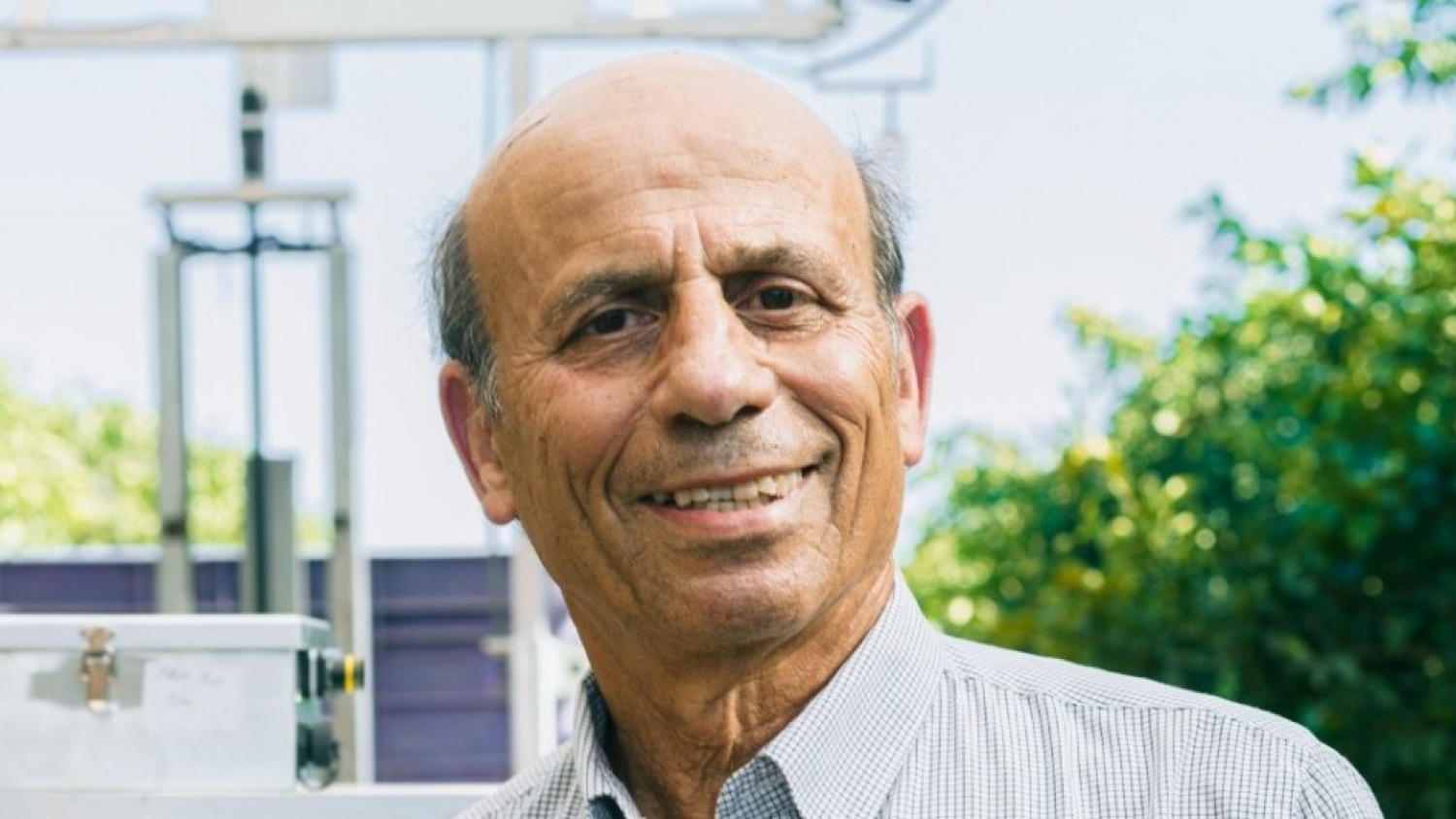
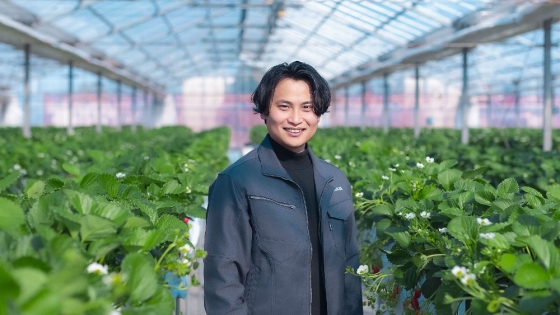
Israeli startup Nanovel is developing an autonomous robot designed to harvest oranges and other citrus fruit using artificial intelligence, computer vision and robotic arms. Founded in 2018 by Isaac Mazor, the company recently secured a €2.5 million grant from the European Innovation Council’s EIC Accelerator program. According to AgFunderNews, Nanovel plans to conduct new trials with growers in Southern Europe in 2027, pilot deployments in 2028 and commercial deployment in 2029.
The challenge is significant. Citrus fruit can be located up to 1.5 meters inside dense tree canopies, surrounded by leaves and branches. An autonomous harvesting system must identify fruit in three dimensions, navigate through the foliage, move obstacles out of the way and remove the fruit without damaging it.
Nanovel has developed a system with six telescopic arms operating simultaneously. Each arm uses a vacuum gripper to hold the fruit and cuts the stem less than two millimeters from the fruit before transferring it into a bin.
An onboard computer coordinates the system using computer vision and artificial intelligence to map the tree canopy, distribute fruit among the different arms and prevent collisions.
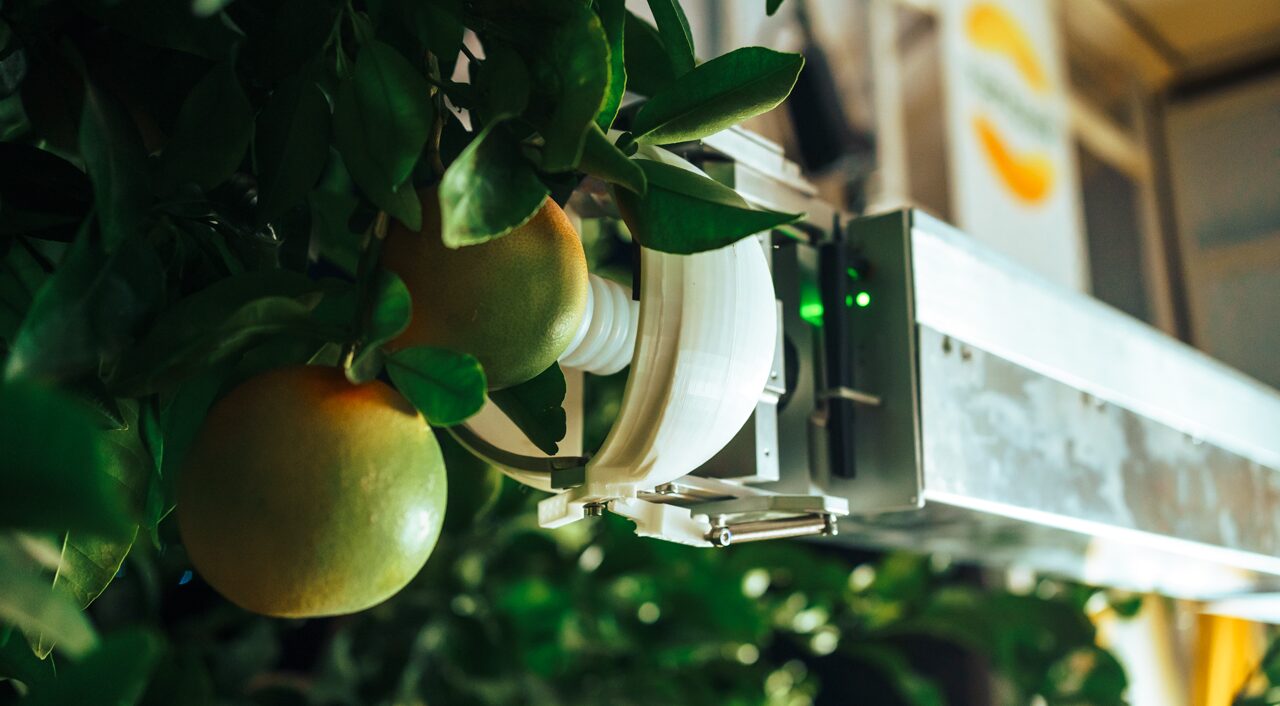
The technology can also select fruit according to color and size, although it does not yet include defect detection. The goal is to prevent the robot from harvesting fruit that would later be rejected at the packing house.
According to AgFunderNews, the company conducted a seven-week trial in California last fall with the Citrus Research Board, using a tractor-pulled version of the machine. Nanovel is now developing a self-driving version.
The company’s founder and CEO, Isaac Mazor, said the main challenge is not simply reducing labor costs. Manual labor can account for approximately 50% of citrus production costs, while growers remain highly dependent on seasonal workers.
“One of the reasons we picked oranges is that a substantial amount is grown in countries that are labor sensitive,” Mazor said, according to AgFunderNews.
The company estimates that manual citrus harvesting in the United States costs around $42–43 per 900-pound field bin, compared with $25–30 using its technology.
However, Nanovel does not intend to completely eliminate human workers. The company estimates that the robot could harvest between 70% and 80% of the fruit, while an operator would handle the most difficult fruit to reach.
“The aim is to triple or quadruple the productivity of one operator,” Mazor said. Nanovel envisions fleets of between 10 and 20 robots, with one operator accompanying each machine.
The company plans to sell the robots directly to large growers rather than offer harvesting as a service. Each machine is expected to cost around $400,000, with a projected payback period of less than five years.
Nanovel plans to work with local dealers and distributors that would also provide maintenance and technical support. Manufacturing and assembly could eventually take place close to its main markets, including California, Spain, Italy, Taiwan and Australia.
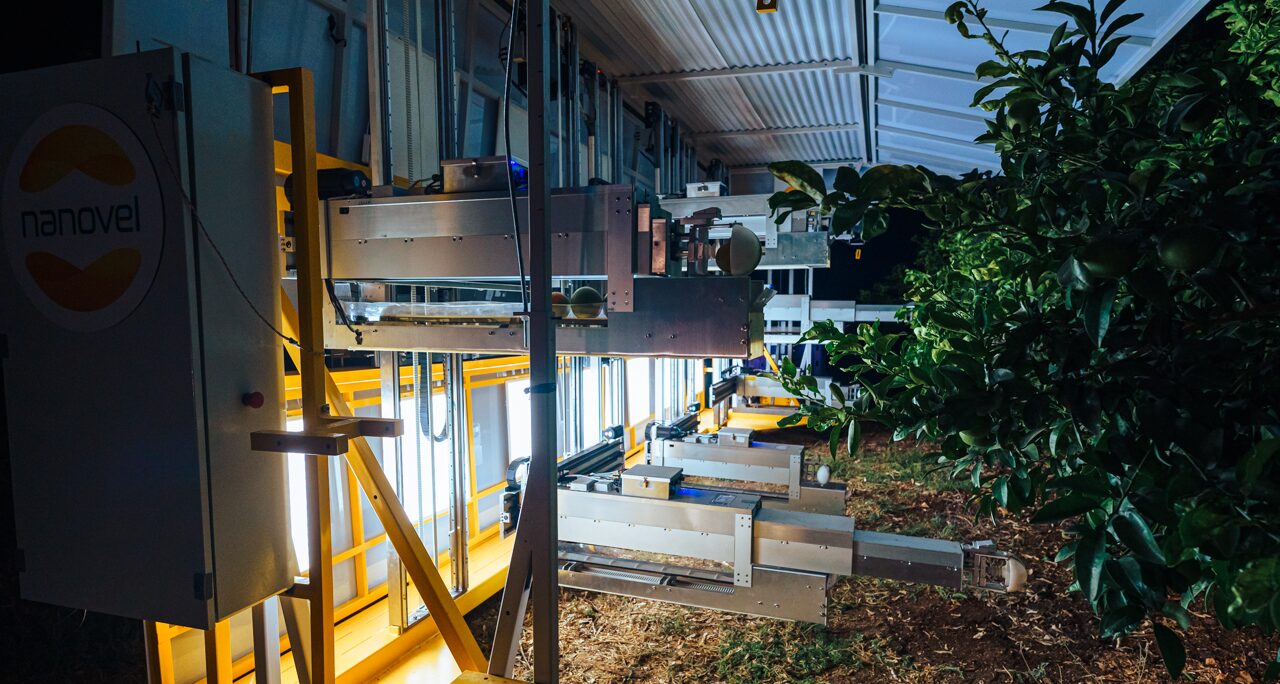
The startup is initially focusing on oranges and lemons, a harvesting market that Mazor estimates at approximately $1.5 billion across its target regions. The company could later adapt the platform to other tree crops such as clementines, avocados and mangoes.
Nanovel has already received inquiries from growers in Argentina, Chile, Peru and Brazil, although its immediate focus is on the United States and Southern Europe, where labor availability and costs make automation particularly attractive.
The new European funding will support further development of the robotic platform. The €2.5 million grant also includes eligibility for an equity investment of up to €4.3 million, which Nanovel intends to use as part of a planned funding round of approximately €8 million.
Beyond harvesting, Nanovel sees another potential business opportunity in the data collected by its machines. The robots could generate high-resolution orchard maps containing information about fruit size and other characteristics, which could later be correlated with irrigation, chemical applications and other agricultural inputs.
The company acknowledges that significant technical challenges remain, particularly regarding robustness and productivity. Still, its strategy is to turn robotic citrus harvesting into a commercial technology in which artificial intelligence and automation complement human workers rather than completely replace them.