Japanese agtech startup Culta is preparing to take its AI-powered crop breeding and premium fruit business beyond Asia, with discussions underway in Australia, the United States and Europe as it targets ¥30 billion ($195 million) in revenue by 2032, according to AgFunderNews. Founded in 2017 by Shuhei Noaki, the company combines artificial intelligence, genomic data and controlled-environment breeding to develop new crop varieties faster without genetic modification or gene editing.
Culta has built a vertically integrated model that goes beyond breeding. The startup develops proprietary fruit varieties, licenses them to 36 contract growers, provides agronomic support and then buys back 100% of the harvest to sell under its own brands in Japan and Southeast Asia.
The company uses AI and machine learning to analyze genomic and phenotypic data and identify the most promising parent plants for crossing. It combines that process with controlled indoor environments that allow researchers to complete multiple breeding cycles each year.
In strawberries, Culta says it can conduct three breeding cycles annually, compared with one under conventional outdoor production in Japan. According to the company, this approach makes its overall breeding cycle at least five times faster and can reduce the development of a new strawberry variety from around 10 years to just two.
Data collected from contract growers operating in different production environments is also fed back into Culta's proprietary database. The company is additionally experimenting with large language models to automate parts of the agronomic support offered to growers.
Climate change is one of the factors driving the strategy. Higher spring temperatures have shortened Japan's traditional strawberry season, creating demand for varieties capable of maintaining yields and quality under warmer conditions.
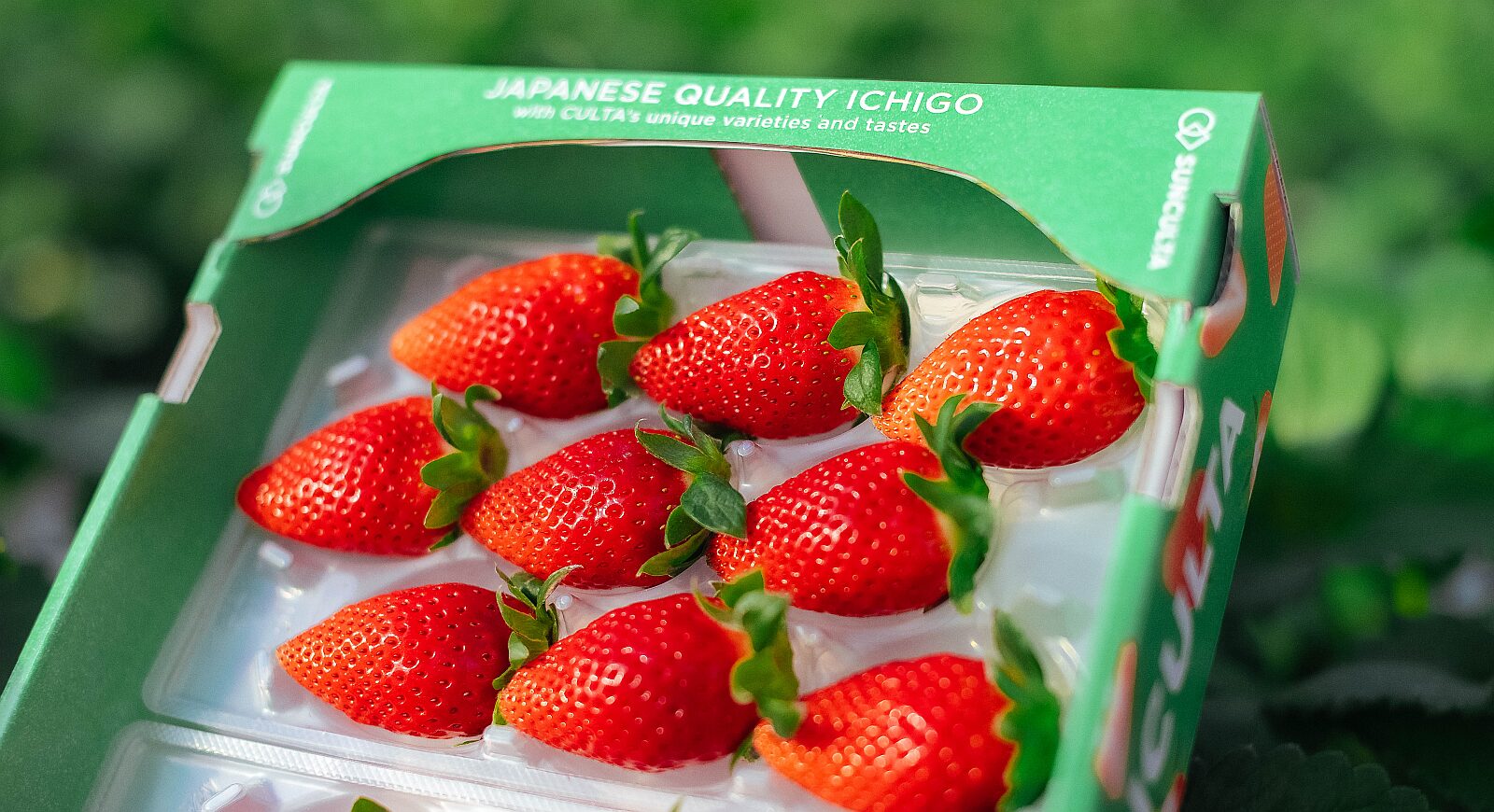
Culta's first commercial variety, SAKURA DROPS, was developed to tolerate higher early-spring temperatures and extend shipments through June. According to company figures cited by AgFunderNews, the variety delivers 1.4 times higher yields, 1.3 times higher Brix levels and fruit that is 1.4 times firmer than Benihoppe, a leading Japanese cultivar.
Greater firmness also allows strawberries to be harvested when fully ripe while maintaining their quality for more than 10 days during transportation. The fruit is already sold through premium retailers in Singapore and Malaysia for about S$20 ($16) per pack.
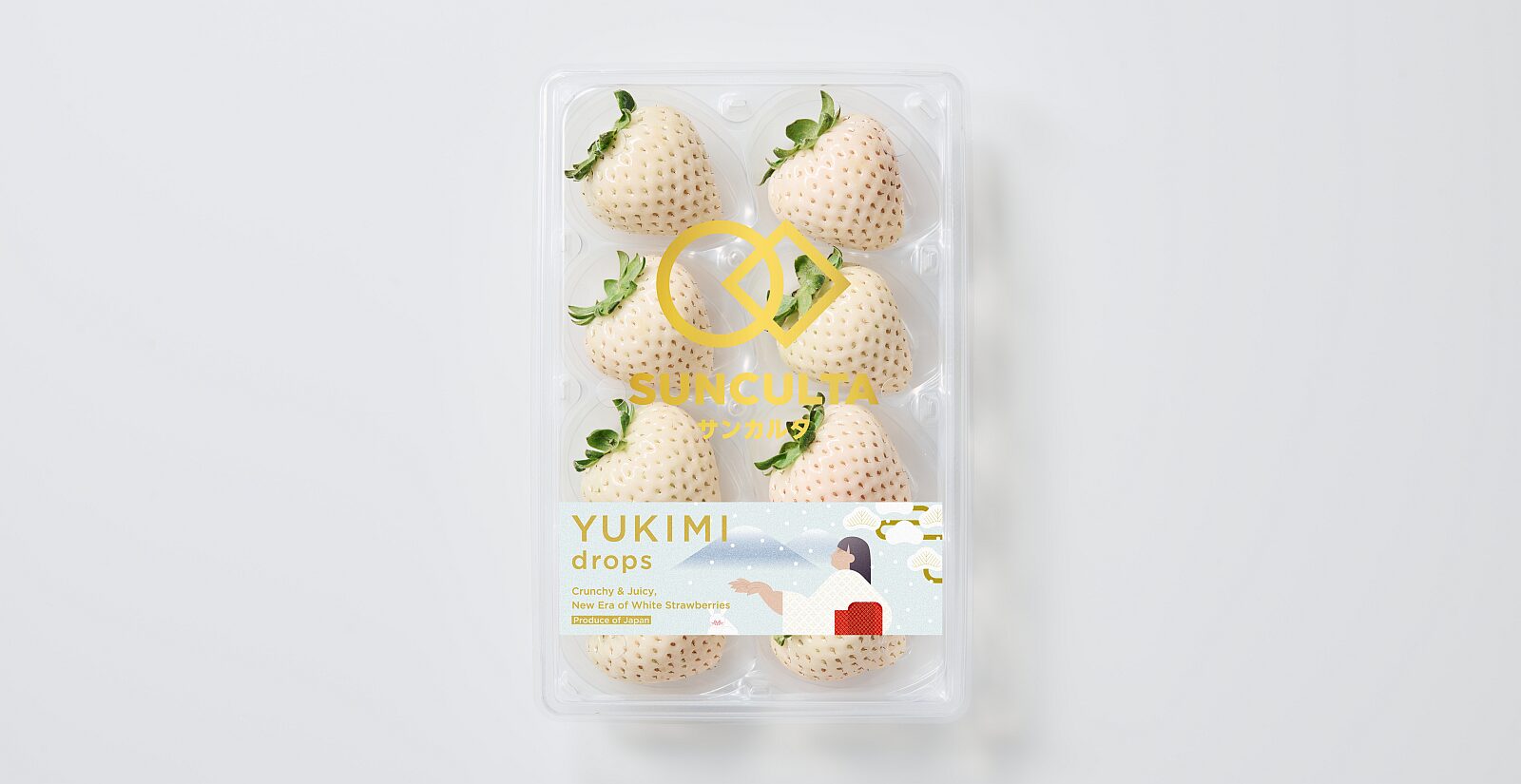
Culta has also commercialized white strawberries designed for China and Southeast Asia, where the fruit has a strong presence in the premium gift market. Its goal is to combine the visual characteristics valued by consumers with improvements in sweetness, yield and disease resistance.
Strawberries are only the first stage of the company's expansion. Culta began breeding table grapes and apples in 2025 and plans to launch varieties of both crops by 2030. Coffee and cacao breeding programs are also in its pipeline.
The company is exploring how its accelerated breeding system can be adapted to perennial crops, which naturally require longer development periods. One approach involves experimenting with growing fruit trees indoors to shorten breeding cycles.
Culta is also working with Kirin on heat-tolerant hops. The collaboration has been underway for four years, and the company says it achieved flowering after two years before beginning the crossing process.
Despite having biotechnology expertise, Culta has chosen conventional breeding supported by AI rather than gene editing for many of its target traits. Characteristics such as yield and sugar content are influenced by numerous genes, making them more complex targets for gene-editing techniques. Strawberries add another challenge because they are octoploid.
The next major test will be international expansion. After closing a ¥700 million ($4.5 million) pre-Series A funding round in April, Culta is preparing to explore strawberry production outside Japan.
Australia is one of the first markets under consideration, with production there potentially supporting Asian demand. The startup is also evaluating opportunities in the United States and Europe, two major strawberry markets where it sees room to differentiate Japanese-style premium fruit through sweetness, flavor and quality.
If the model proves scalable outside Asia, Culta could demonstrate how AI-assisted breeding, climate adaptation and vertically integrated commercialization can work together to turn premium crop genetics into a global consumer business.