PepsiCo is expanding programs to support young and emerging farmers across several regions as the global agricultural sector faces an accelerating generational transition. With the average farmer worldwide around 58 years old and relatively few young people managing farms in Europe and the United States, the food and beverage company is focusing on training, mentorship, financing and market access to help make agriculture a viable long-term career, according to AgFunderNews.
The challenge has implications that extend beyond individual farms. An aging agricultural workforce and a shortage of new producers could eventually affect food security, rural economies and global agricultural supply chains.
PepsiCo sources more than 50 crops and ingredients from over 60 countries, making the resilience of farming communities directly relevant to its business and future supply network.
Monica Baur, senior vice president of social impact at PepsiCo, told AgFunderNews that the barriers facing younger farmers vary considerably depending on where they live.
“There is no single solution to agriculture’s generational transition,” Baur said. “The barriers facing a beginning farmer in North America may be very different from those facing a smallholder farmer in a Latin America or an emerging agricultural enterprise in South Africa.”
Despite those regional differences, the company has identified three recurring challenges: the economic difficulty of entering and remaining in agriculture, access to technical and business skills, and the strength of the communities and networks surrounding farmers.
Access to land, capital, machinery and infrastructure can make it difficult for younger producers to establish viable businesses. Once they enter agriculture, they also have to manage rising production costs, climate-related pressures and volatile markets.
The transformation of the agricultural industry creates another challenge. New farmers increasingly need technical knowledge alongside business, leadership and management skills. Connections with experienced producers, buyers, markets and professional networks can also influence whether a new agricultural business survives.
PepsiCo has responded with different programs according to local conditions rather than applying a single model worldwide.
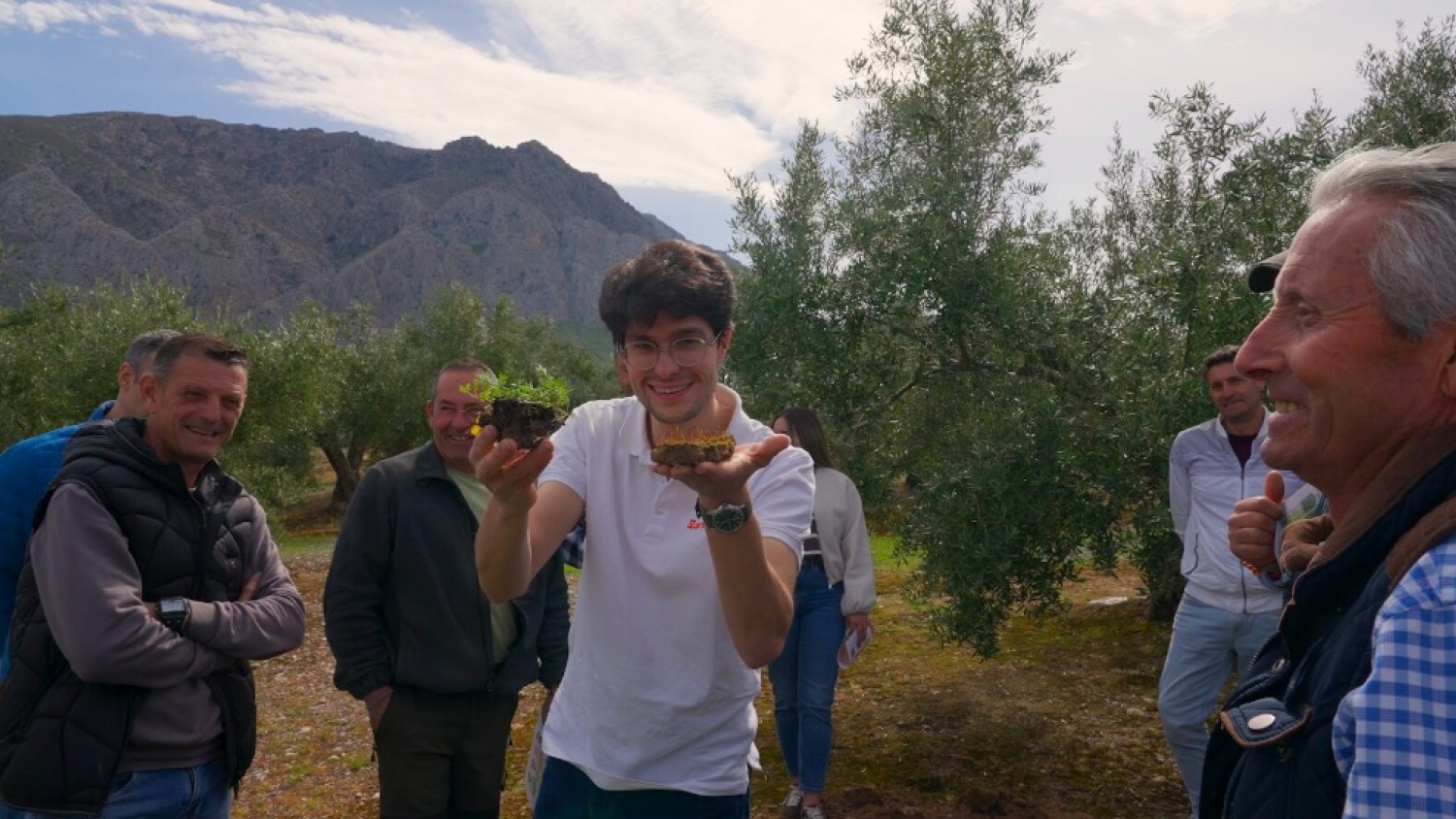
In Europe, Future Harvest provides learning opportunities, mentoring, peer exchanges and practical farming experiences for the next generation of producers.
In the United States, Field to Future combines scholarships with mentorship, professional development and potential paid internships within PepsiCo's agricultural supply chain. According to AgFunderNews, several participants have moved into employment opportunities at the company after completing the program.
In South Africa, the Kgodiso Development Fund combines business assistance with inclusive financing and improved market access for emerging agricultural enterprises.
Latin America offers another example of the strategy. In Mexico, the Agrovita program helped support the creation of Los PAPIs, the first rural cooperative formed through the initiative. The project connected smallholder plantain farmers with formal markets, including a supply channel for plantains used in NatuChips.
The programs reflect a broader strategy that links farmer development with economic opportunities rather than limiting assistance to education.
For PepsiCo, strengthening the next generation of producers is also connected with the resilience of its agricultural supply chain.
“Supporting the next generation of farmers is fundamentally about the future of food,” Baur said.
The company argues that healthy soils, resilient harvests and economically sustainable rural communities are essential to maintaining agricultural value chains over the long term.
The challenge is particularly significant because agriculture is undergoing a generational transition in many countries. As older farmers approach retirement, the number of younger people entering the industry remains limited. Just 11% of farm managers in Europe are under 40, while 9% of producers in the United States are younger than 35, according to figures cited by AgFunderNews.
PepsiCo's approach therefore focuses not only on attracting new farmers but also on creating conditions that allow them to remain in the sector.
Training alone, Baur warned, cannot solve problems such as limited access to land, financing, infrastructure and markets. Long-term progress will require collaboration among farmers, companies, nonprofit organizations, educators, researchers and local communities.
For one of the world's largest food and beverage companies, the issue ultimately connects a demographic challenge with the future of the global food system: if farming is not economically sustainable and attractive to younger generations, both agricultural communities and food supply chains could face increasing pressure over the coming decades.