By Agroempresario.com
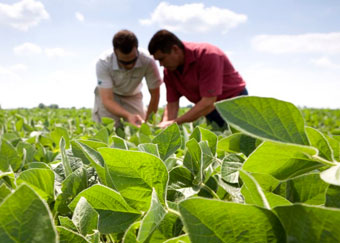
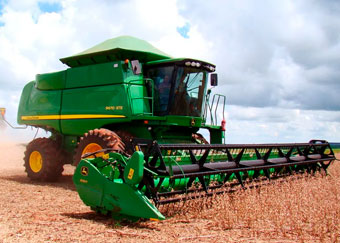
The rural regions of the United States and Argentina are vital to their respective economies, providing essential agricultural products and maintaining cultural heritage. In the United States, vast rural areas are spread across the Midwest, South, West, and Appalachia. The Midwest, often referred to as the Corn Belt and Great Plains, is dominated by corn and soybean production, livestock farming, and expansive, fertile land. This region is the backbone of American agriculture, with its flat landscapes ideal for large-scale, mechanized farming.
In the South, rural areas are known for their diverse agricultural outputs, including cotton, tobacco, poultry, and cattle farming. The region's warm climate and rich soil contribute to its agricultural productivity. In contrast, the Western rural regions of Montana, Wyoming, Idaho, and parts of California and Oregon are characterized by ranching and wheat farming. These areas feature vast open lands, often arid or semi-arid, making them suitable for extensive livestock grazing. Appalachia, historically dependent on coal mining, is now diversifying into agriculture, forestry, and small-scale farming, with its hilly terrain and rich cultural traditions.
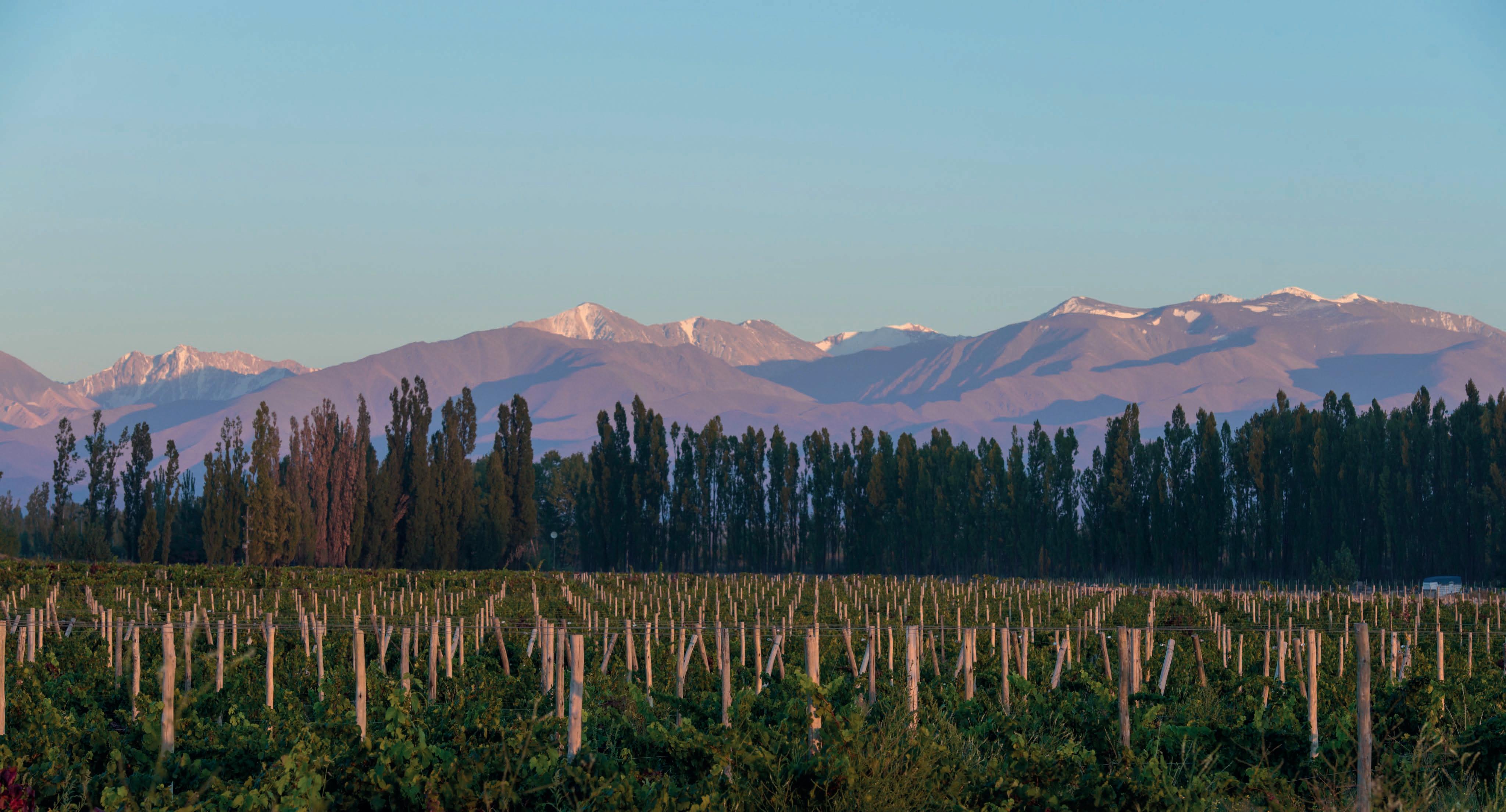
Argentina's rural landscape is equally varied and essential to its economy. The Pampas region, encompassing Buenos Aires, Santa Fe, Córdoba, and La Pampa, is renowned for its highly fertile plains. This area is a major producer of wheat, corn, and soybeans and is also significant for cattle ranching, producing some of the world's highest-quality beef. Patagonia, extending across Río Negro, Chubut, Santa Cruz, and Tierra del Fuego, is known for sheep farming and fruit production. The region's unique climate and landscapes also support growing viticulture and tourism.
In Northwest Argentina, provinces such as Salta, Jujuy, Tucumán, Catamarca, La Rioja, and Santiago del Estero boast diverse agricultural activities. This region is known for sugarcane, tobacco, citrus fruits, and viticulture. Meanwhile, Northeast Argentina, including Misiones, Corrientes, Chaco, and Formosa, is prominent for yerba mate, tea, timber production, rice, and cattle farming.

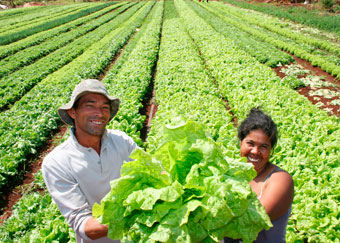
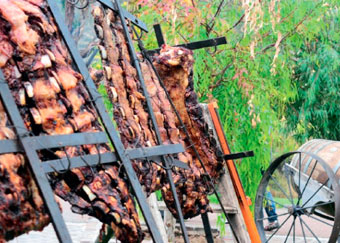
When comparing the rural regions of the United States and Argentina, several key differences and similarities emerge. Both countries are major agricultural producers, but the United States has a more diverse range of crops, including corn, soybeans, wheat, cotton, and various fruits and vegetables. Advanced farming technology and practices are widespread in the U.S., particularly in the Midwest and West. Argentina, on the other hand, is a major global producer of soybeans, wheat, corn, and beef, known for its high-quality meat and wine production. The Pampas region in Argentina is similar to the U.S. Midwest with its fertile plains, while Patagonia offers unique conditions for sheep farming and fruit production.
In terms of land use and geography, the United States features varied landscapes, including plains, mountains, and forests, supporting large-scale, mechanized farms. Argentina's Pampas and Patagonia regions also have distinctive geographical features conducive to specific types of agriculture. Economically, agriculture in the United States is significant but not as dominant as sectors like technology and services. In contrast, agriculture is a critical component of Argentina's economy, accounting for a substantial portion of exports and GDP.
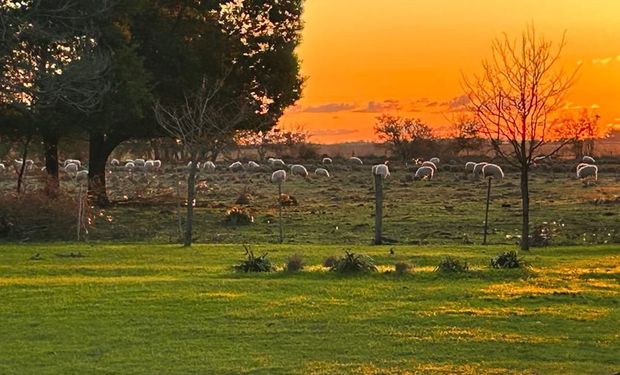
Rural lifestyles in both countries reflect strong community ties and cultural richness. In the United States, rural areas often face challenges such as declining populations and access to services. Argentine rural areas can be isolated but are culturally vibrant with strong traditions. Both countries face similar challenges in balancing modernization with preserving rural lifestyles and addressing environmental concerns.
The rural regions of the United States and Argentina are not just vital for their economic contributions but also for their cultural and social significance. Understanding these regions helps appreciate the diverse and essential role they play in sustaining the agricultural backbone and cultural heritage of both nations.