Plantible raises $35 million to scale production of next-generation plant
The startup will expand its Texas facility to increase RuBisCO protein production fivefold and meet growing demand from food companies
jueves 06 de agosto de 2026 - 14:58
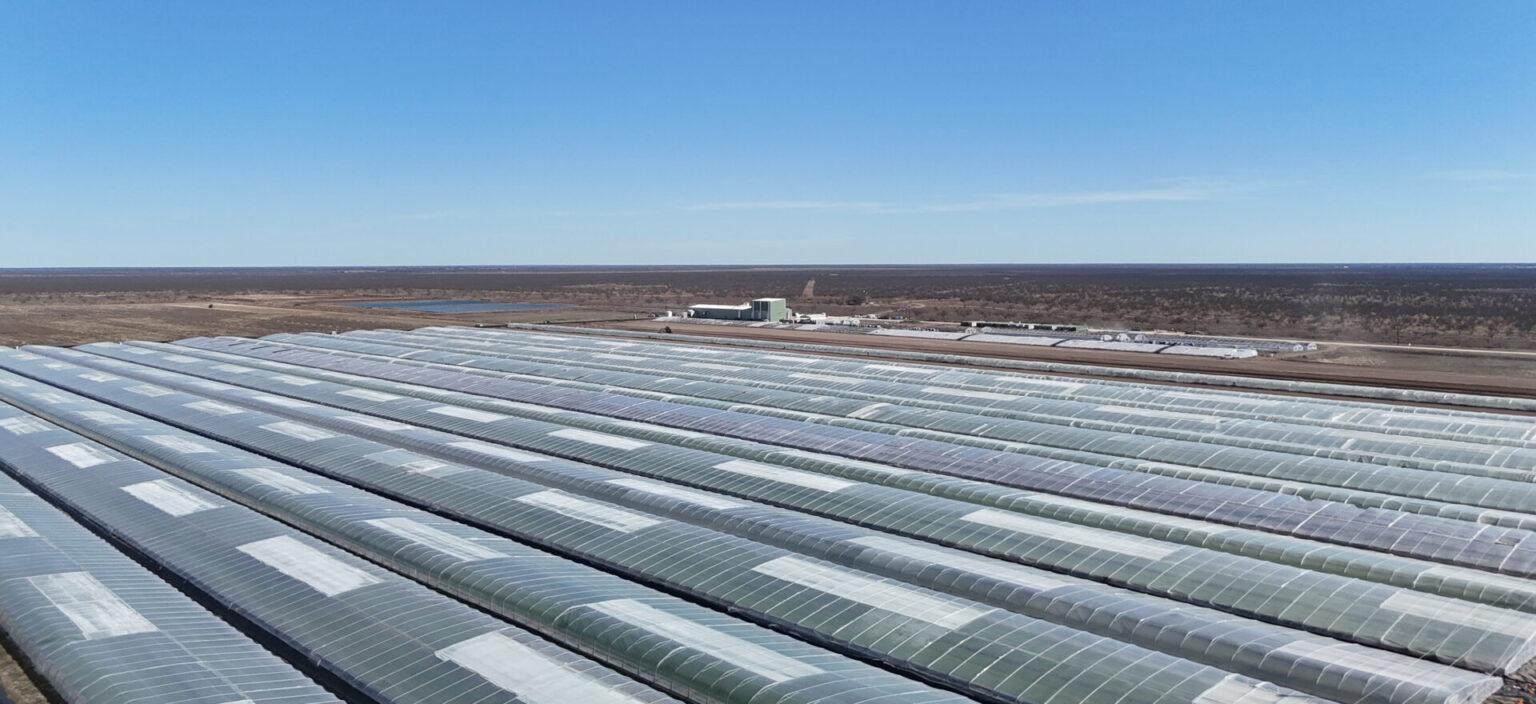
Plantible Foods, a US-based food technology startup developing a high-performance plant protein extracted from lemna, has raised $35 million in debt and equity financing to expand its production capacity in Eldorado, Texas. The company plans to increase annual output of its flagship Rubi protein fivefold, surpassing 1,000 metric tons, as demand grows across the global food industry.
The funding package includes a $25 million loan from X-Caliber Rural Capital through the USDA’s Business & Industry Loan Guarantee Program, along with $10 million in equity investment from RA Capital and existing investors, according to AgFunderNews.
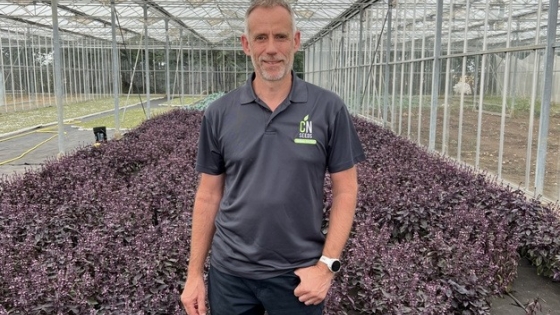
Plantible cofounder and CEO Tony Martens said the capital will allow the company to complete the expansion of its production infrastructure and supply existing customers while entering new markets. “We have new greenhouses coming online every week, and our goal is to be finished with the construction in early 2027,” Martens explained.
The company recently introduced a proprietary lemna strain and upgraded its protein filtration system, improvements that increased production efficiency. “We have rolled out a new strain that has allowed us to increase our yield by more than 40%, which has been pretty exciting,” Martens said, according to AgFunderNews.
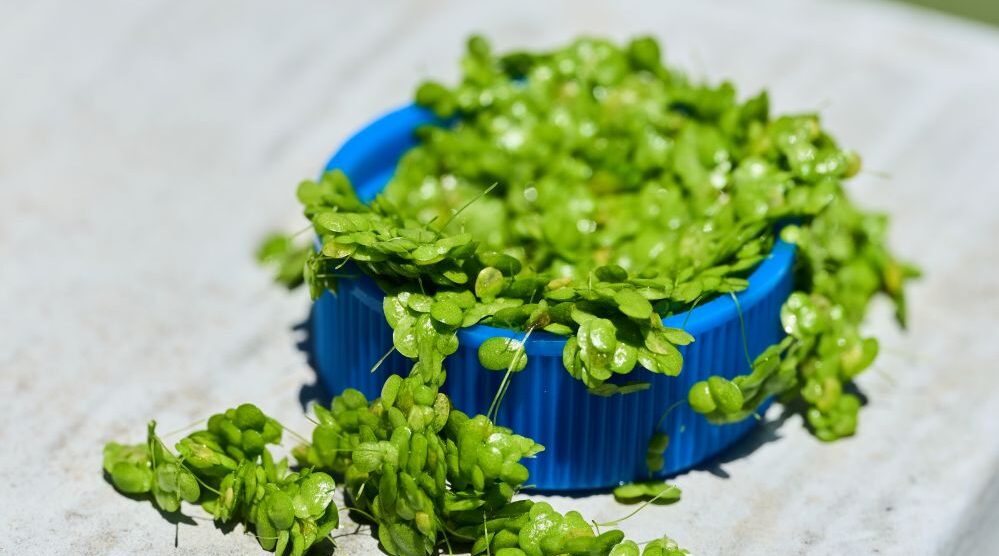
Plantible’s technology focuses on extracting RuBisCO, one of the most abundant proteins found in green plants. The company uses lemna, also known as duckweed, a fast-growing aquatic plant that can be cultivated year-round without pesticides.
The resulting Rubi protein contains all essential amino acids and has a protein digestibility score of 1.0, comparable to animal-based proteins. Its neutral taste, color and odor make it suitable for a wide range of applications, including baked goods, dairy alternatives, sauces, dressings, confectionery products and other processed foods.
Unlike many alternative protein companies that focus primarily on replacing animal products, Plantible highlights the functional properties of its ingredient, such as emulsification, binding and gel formation. These characteristics allow it to be used as an alternative to traditional ingredients such as egg proteins, whey and synthetic binders.
The company expects demand for its protein to continue increasing due to challenges affecting conventional ingredient markets, including supply disruptions in eggs and dairy products, as well as growing interest from food manufacturers seeking more stable and functional ingredients.
Plantible’s expansion comes as the company prepares to strengthen its position in the alternative protein sector. The startup has already secured long-term supply agreements, and Martens said some customers have increased their orders ahead of future production.
“Just a couple of weeks ago, we had one of our customers double their order for 2027, and so even with the existing expansion, we’re already going to be short of supply,” the CEO said.
The company believes its manufacturing model could attract future strategic investments or acquisition interest from major ingredient producers. Martens identified three possible paths for investors: an acquisition by a strategic ingredients company, an initial public offering or a private equity transaction.
Plantible was founded in 2016 by Tony Martens and Maurits van de Ven and is part of a growing group of companies attempting to commercialize RuBisCO as a scalable food ingredient. Other startups exploring similar technologies include companies working with alfalfa and other plant sources to extract the protein.
With its new financing and expanded production plans, Plantible aims to position RuBisCO as a major ingredient for the next generation of sustainable and functional food products.
Invertí en periodismo de calidad
En Agroempresario trabajamos para acercarte contenidos que agregan valor.